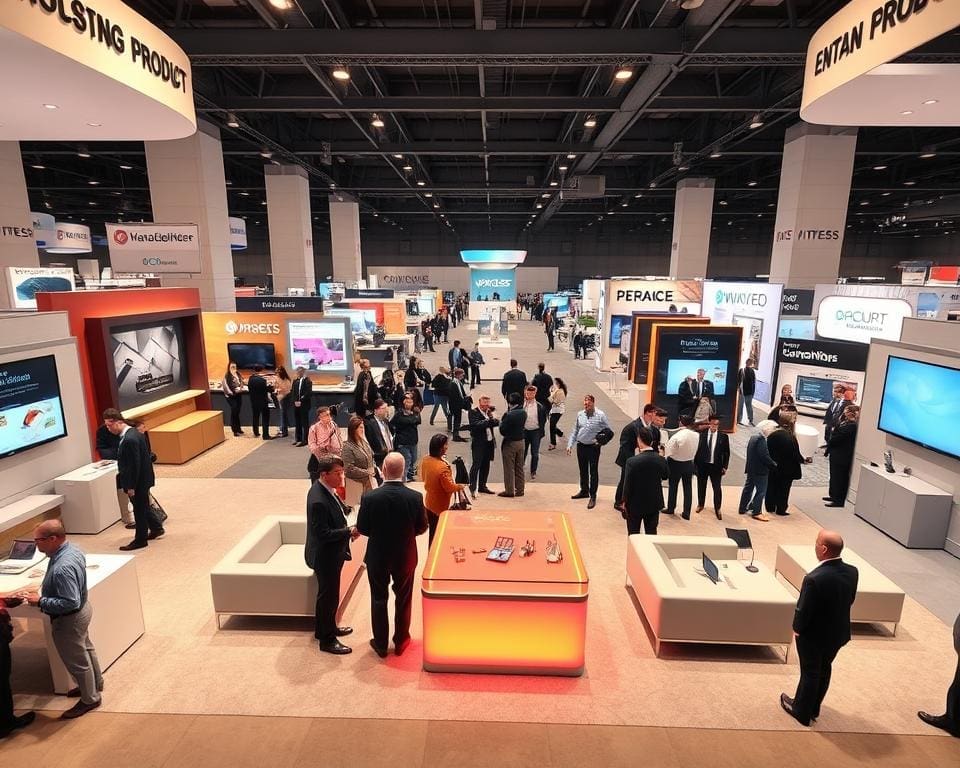
In the dynamic realm of exhibitions, the booth layout plays a pivotal role in shaping visitor engagement. A thought-out trade show design can significantly enhance the exhibition experience, capturing attention and inviting interaction. Research indicates that the strategic arrangement of space influences traffic flow and impacts a brand’s perception among attendees. Achieving exhibition success demands an understanding of how effective layouts foster connections, encouraging visitors to explore, engage, and ultimately appreciate the brand on display.
The Importance of Booth Layout in Exhibitions
The layout of a booth plays a significant role in the overall success of an exhibition. A thoughtfully designed space can establish an inviting atmosphere that draws in visitors, making them feel welcomed and interested in exploring what your brand has to offer. When considering exhibition design, elements such as lighting, seating arrangements, and the flow of movement within the booth become crucial factors in ensuring visitor comfort.
Creating an Inviting Atmosphere
An inviting atmosphere is essential for engaging potential customers. Achieving this can involve:
- Employing soft, warm lighting to create a relaxed environment.
- Incorporating comfortable seating areas that allow visitors to pause and interact.
- Designing an open layout that encourages movement and exploration.
When guests feel at ease, they are more likely to linger, engage with brand representatives, and genuinely appreciate the offerings presented, amplifying the booth layout importance.
Maximising Space Utilisation
Efficient space utilisation not only enhances the visual appeal of the booth but also improves visitor experience. A well-structured layout ensures:
- Optimal visibility for products and displays.
- Enough room for visitors to navigate comfortably without feeling crowded.
- Accommodation of various activities, such as demonstrations or interactive sessions.
Strategic planning in space utilisation can lead to dynamic presentations of brand messages, making exhibitions memorable experiences for attendees.
How Does Booth Layout Influence Visitor Engagement?
The design of a booth plays a crucial role in shaping how visitors experience an exhibition space. An effective layout not only influences visitor flow but also encourages interaction, which is vital for achieving exhibitor success. By strategically considering every aspect of the booth’s design, brands can create environments that draw in attendees and promote active engagement.
Optimising Visitor Flow
To enhance visitor flow, exhibitors must focus on creating pathways that guide attendees through their space seamlessly. By analysing movement patterns, organisers can identify optimal entry and exit points that facilitate a natural transition from one area to another. When visitors can navigate a booth without feeling congested or lost, their level of engagement increases, making the experience more enjoyable and memorable.
Encouraging Interaction with Design Elements
Incorporating appealing design elements is key for fostering meaningful interactions. Visual displays, interactive stations, and compelling signage serve to attract attention and invite visitors to participate actively. These engagement strategies enrich the visitor experience, allowing for deeper connections with the brand. By integrating thoughtful interaction design, exhibitors can cultivate an environment that not only informs but also inspires curiosity, driving long-term brand loyalty.
Key Elements of Effective Booth Design
Designing an effective exhibition booth requires keen attention to specific elements that create a memorable experience for visitors. Among these, visual impact and branding as well as technology integration stand out as essential components to engage attendees successfully.
Visual Impact and Branding
Strong visual branding elevates the presence of a booth amidst the hustle and bustle of an exhibition. Cohesive colour schemes, strategically placed logos, and striking graphics contribute to a brand’s identity. The colour palette should resonate with the brand’s message, creating an inviting atmosphere that draws in potential clients. Research indicates that visitors tend to remember brands with compelling visual cues for extended periods. Incorporating unique booth design elements reinforces brand recognition, making it imperative for companies to invest wisely in this aspect of their displays.
Integrating Technology for Engagement
Embracing technology integration amplifies audience interaction in an exhibition space. By utilising tablets, interactive screens, or even augmented reality, exhibitors can craft immersive experiences that blend information with entertainment. These effective exhibition strategies not only capture attention but also encourage digital engagement. Visitors are more likely to remember and appreciate a booth that offers innovative tech experiences, setting the standard for what an engaging exhibition should entail.
Case Studies of Successful Booth Layouts
Exploring successful case studies offers insight into how leading brands have mastered booth layouts to optimise visitor engagement. The innovative designs employed by industry giants not only enhance aesthetic appeal but also significantly boost exhibition effectiveness. Analysis of these designs reveals key strategies that can be replicated across various sectors.
Lessons Learned from Leading Brands
Companies such as Apple, Google, and Coca-Cola exemplify how strategic booth layouts can captivate visitors. Apple’s minimalist approach prioritises product displays, creating a clean and memorable customer experience. The focus on simplicity invites interaction and emphasises the importance of design outcomes in crafting impactful experiences.
Google’s immersive environments use technology to draw in visitors, highlighting how interactive elements can foster engagement. This illustrates the effectiveness of innovative booth layouts that address both aesthetic and functional goals. Such successful case studies underscore the necessity of thoughtful design in making a lasting impression.
Impact of Layout Modifications on Visitor Metrics
Visitor metrics analysis shows that even minor layout modifications can lead to substantial improvements in engagement rates. Brands that adapt their booth layouts based on visitor behaviour often see increased foot traffic and participant interaction. For instance, altering pathways to encourage exploration can effectively enhance visitor experience.
These adjustments not only improve visitor metrics but also reflect an ongoing commitment to refining exhibition effectiveness. Businesses that prioritise analysis of visitor data and integrate these insights into their design strategies can expect more engaging outcomes at trade shows and exhibitions.
Future Trends in Booth Design
The landscape of booth design is undergoing a significant transformation, driven by the future trends and evolving visitor expectations. Brands are increasingly embracing booth design innovations that focus on creating memorable experiences while prioritising sustainable exhibition practices. This shift towards environmentally friendly materials and reducing waste is not only beneficial for the planet but also resonates with a visitor base that values corporate responsibility.
As the demand for virtual and hybrid events grows, traditional booth layouts are adapting to facilitate remote interaction. This evolution in visitor engagement necessitates the integration of interactive elements that draw in both on-site and online attendees. By leveraging technology such as artificial intelligence and augmented reality, brands can now craft immersive experiences that leave a lasting impression, ensuring that every visitor feels connected regardless of their physical presence.
In essence, the future of booth design encapsulates a harmonious blend of sustainability, technology, and interactive engagement. As brands continue to navigate this dynamic environment, they must remain agile and innovative to meet the changing needs of their audiences. By embracing these trends, businesses not only enhance their exhibition presence but also contribute to a more responsible and engaging industry landscape.