
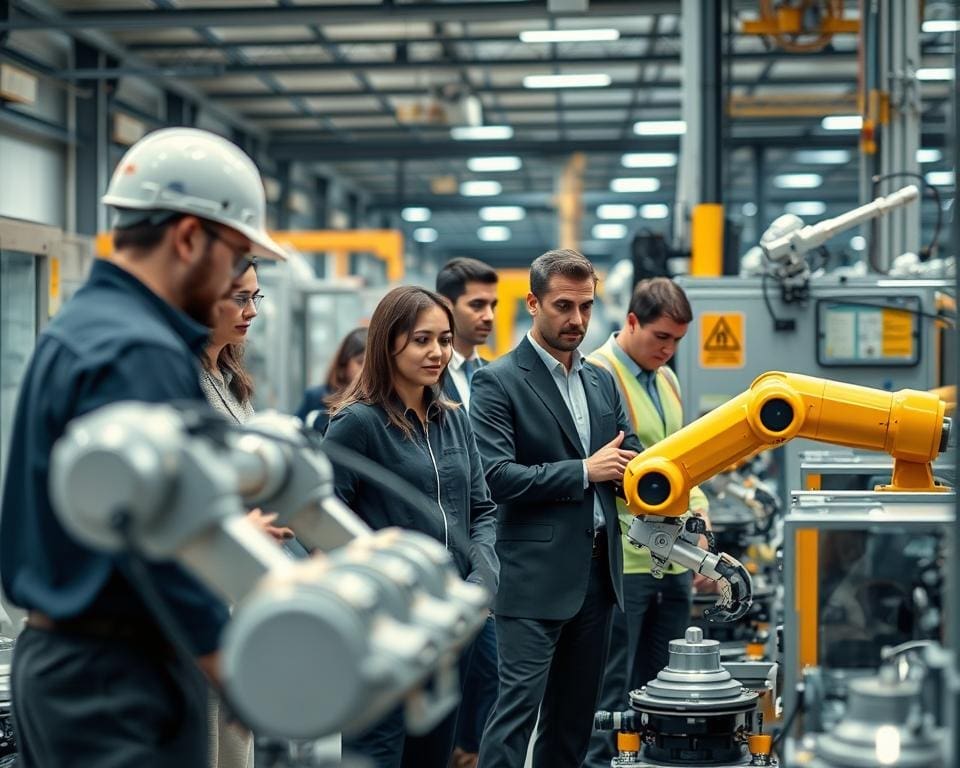
In today’s rapidly evolving landscape of industrial automation, the integration of advanced technologies fundamentally transforms machinery safety requirements. Automation refers to the use of control systems for operating equipment in various industries, enhancing efficiency, productivity, and, notably, safety. By reducing human error and allowing for more precise operations, automation not only streamlines processes but also enables continuous monitoring of machinery conditions. This paradigm shift in operational dynamics paves the way for a deeper exploration of historical perspectives, technological advancements, and the integration of new safety protocols that arise from the increasing reliance on automated systems.
The Evolution of Machinery Safety in the Age of Automation
The journey towards effective machinery safety reflects a complex narrative rich in the history of machinery safety, marked by pivotal changes and technological breakthroughs. As industries embraced innovation, the need for robust safety measures became paramount. This evolution is intrinsically linked to trends in technology advancement, with each stride in industrial practices prompting a reevaluation of safety standards.
Historical Perspectives on Machinery Safety
From the onset of the Industrial Revolution, machinery safety was often an afterthought. Early safety practices were primarily reactive, addressing accidents as they occurred rather than preventing them. The focus shifted over time as the landscape of manufacturing transformed, necessitating a systematic development of safety protocols. Historical milestones illustrate this transition, showcasing how industrial safety standards evolved to reflect a growing awareness of workers’ rights and safety living conditions.
The Role of Technology in Safety Enhancements
Technology advancements have played a crucial role in enhancing safety measures within the workplace. Innovations such as fail-safe mechanisms laid the groundwork for modern safety standards, while the automation evolution introduced diverse automated safety systems. Today, technologies like machine learning and Internet of Things (IoT) sensors enable real-time data analysis, allowing for proactive adjustments to safety protocols. This integration of cutting-edge technology not only improves safety but also fosters a culture of responsibility among workers and employers alike.
How does automation change machinery safety requirements?
The advent of automation has transformed the terrain of machinery safety requirements. As autonomous systems become increasingly prevalent, there has been an urgent need to rethink existing safety protocols. These systems operate with minimal human oversight, which presents both opportunities and challenges in ensuring workplace safety.
The Impact of Autonomous Systems on Safety Protocols
Autonomous systems have enabled significant advancements in safety protocols. By continually monitoring operational environments and making real-time decisions, these systems reduce the likelihood of human error, a major contributor to workplace accidents. Case studies have highlighted instances where the integration of autonomous systems has led to dramatic improvements in safety outcomes. For example, industries such as manufacturing and logistics have reported lower accident rates following the implementation of automated machinery, demonstrating that such systems can enhance safety while boosting operational efficiency.
Regulatory Changes Driven by Automation
As the dynamics of machinery safety evolve, regulatory changes are imperative to ensure compliance standards keep pace with technological advancements. Regulatory bodies are adapting legislation to better fit automated processes, ensuring that safety regulations remain robust and relevant. Influential frameworks, such as those provided by ISO and ANSI, serve as essential guidelines in shaping modern compliance standards. These frameworks help organisations navigate the complexities of safety in an automated environment, mandating rigorous assessments of new technologies to safeguard worker health and safety.
Integrating Safety Features into Automated Machinery
The integration of safety features into automated machinery plays a crucial role in promoting workplace safety and efficiency. By harnessing advanced sensors and sophisticated software solutions, industries are shaping a safer environment for workers. These technologies pave the way for proactive safety measures through continual monitoring and real-time data analysis.
Advanced Sensors and Their Contributions to Safety
Advanced sensors are at the forefront of enhancing safety in automated settings. Technologies such as LIDAR and pressure sensors offer unparalleled detection capabilities, identifying operational anomalies before they escalate into serious hazards. For instance, LIDAR systems can create precise maps of an environment, detecting obstacles in real time, which is vital in manufacturing and logistics sectors. Such integrated safety features empower machines to make informed decisions, reducing risks for personnel working alongside them.
Software Solutions for Real-time Monitoring
Software solutions significantly bolster real-time safety monitoring by analysing data collected from various sensors. These tools provide insights into machinery health, ensuring that issues can be addressed proactively rather than reactively. Predictive maintenance is a game-changer, allowing businesses to schedule repairs based on data analytics, consequently minimising downtime and enhancing overall safety. By integrating software solutions with hardware, companies can create a holistic safety ecosystem that supports both operational efficiency and worker protection.
Challenges in Adapting to New Safety Standards
The shift towards automation presents significant challenges for industries striving to implement new safety standards. Traditional machinery often lacks the necessary features for modern automated environments, which complicates machinery adaptation. Retrofitting older systems can prove to be both costly and time-consuming, creating barriers to achieving compliance with contemporary safety protocols.
Existing Machinery vs. Modern Automation Needs
Many existing machines were designed before the advent of advanced automation technologies. This limitation makes it difficult for companies to meet evolving safety requirements. Addressing these deficiencies requires a strategic approach towards upgrading equipment and ensuring that machinery adaptation aligns with current standards. Businesses must analyse their equipment thoroughly to identify gaps in safety features while considering investments that will future-proof their operations.
Workforce Training and Safety Awareness
Adapting to new safety standards necessitates a robust framework for workforce training and safety awareness. Employees must be educated about the functioning of new automated systems, as well as the precautions required to navigate these changes safely. Comprehensive training programmes should include hands-on experience with updated machinery, emphasising the importance of ongoing education and certification. As the safety landscape continues to evolve, fostering a culture of vigilance and adaptability within the workforce remains critical for operational success.
Future Trends in Machinery Safety and Automation
As automation continues to reshape the landscape of various industries, the future trends in machinery safety are becoming increasingly significant. One of the most promising advancements is the integration of predictive safety measures, driven by artificial intelligence and machine learning. These technologies can anticipate machinery failures before they occur, allowing for preemptive actions that enhance machinery safety and reduce downtime. This shift towards proactive safety not only minimises risks but also optimises operational efficiency.
Moreover, the evolving role of safety in machinery design cannot be overstated. The principle of safety-by-design is likely to become the standard, ensuring that machinery safety considerations are incorporated from the very beginning of the development process. Such an approach not only fosters compliance with upcoming regulatory frameworks but also emphasises the importance of creating safer work environments, particularly in sectors heavily dependent on automation advancements.
Another notable trend is the use of robotics in hazardous environments, such as disaster recovery or construction sites. By deploying robots to carry out dangerous tasks, human exposure to risky situations is greatly reduced. This not only protects workers but also enhances overall safety standards across different industries. As these trends continue to unfold, it is crucial for organisations to adopt a proactive safety culture, embracing innovation as a driving force for improved machinery safety in the ever-evolving landscape of automation.