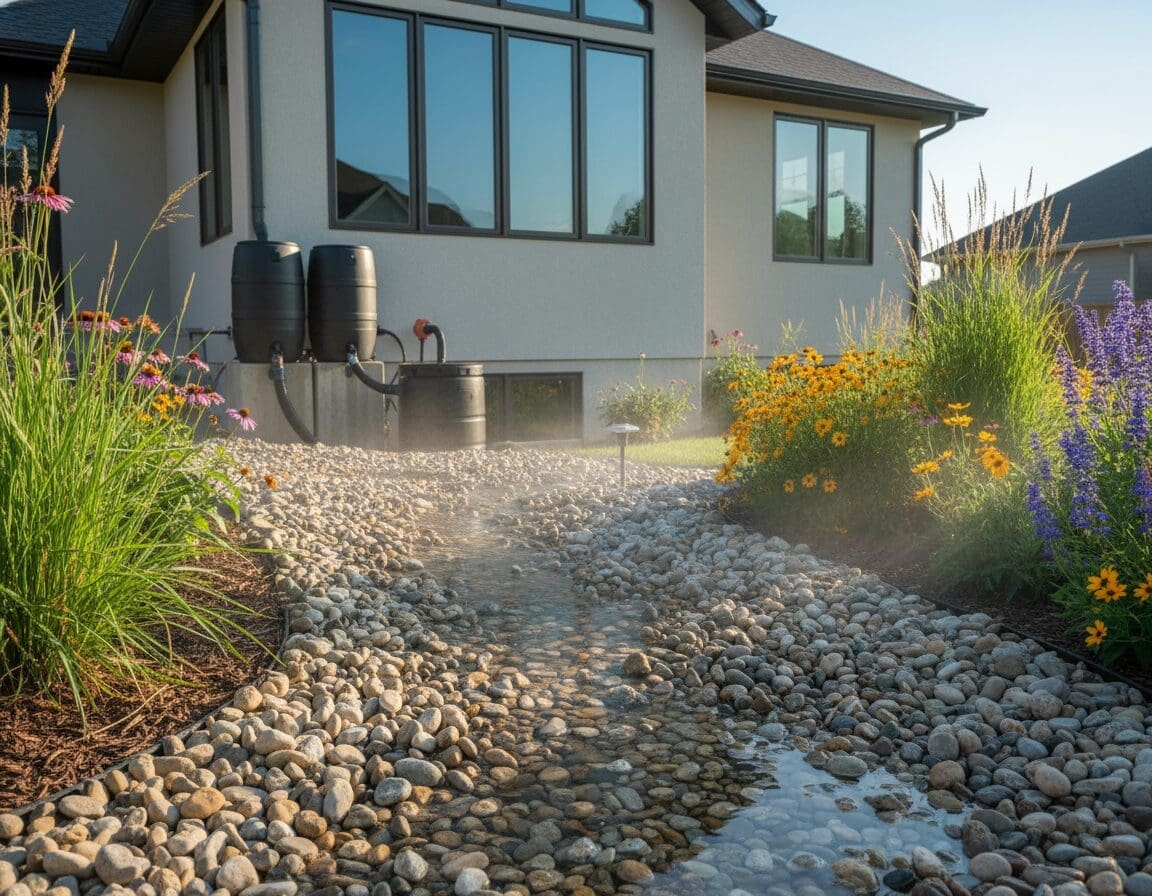
A permeable gravel surface system offers a practical, sustainable option for driveways, paths and patios. It blends function with style to manage rainwater effectively while improving the look and usability of domestic outdoor spaces.
For homeowners across the United Kingdom, frequent rainfall and tightening SuDS guidance make permeable paving benefits more relevant than ever. Local planning authorities increasingly favour sustainable garden surfaces that reduce urban run-off and meet modern driveway drainage expectations.
At a glance, the core advantages are clear: better driveway drainage and flood resilience, improved garden health through groundwater recharge, lower maintenance and a longer service life compared with some impermeable options. There are also wider environmental gains, such as reduced pollution entering sewers and rivers and smarter rainwater management UK.
This article targets homeowners, garden designers and small contractors who want inspiration and practical guidance. A permeable gravel surface system is an achievable way to make homes greener, safer and more attractive while meeting contemporary planning and environmental aims.
What is a permeable gravel surface system and how it works
A permeable gravel surface is a layered surfacing solution that lets water pass through the top dressing into a designed support structure beneath. This system aims to send rainwater into the ground rather than into sewers, reducing runoff and helping recharge local groundwater.
Definition and core components
At its simplest, the system combines a wearing layer of free-draining gravel with a supportive sub-base that stores and conveys water. Typical permeable gravel components include surface aggregates such as pea shingle or crushed stone, a geotextile membrane where required, a graded coarse sub-base (Type 1 or Type 3 stone) and a storage layer of crushed rock or recycled aggregate that provides void space for temporary detention.
Common material specs call for 4–10 mm surface aggregate, clean well-graded stone to reduce clogging and angular stone where interlock is needed. Optional edge restraints and permeable grid systems like TegraCell or Turfstone add stability for driveways and high-traffic areas.
Water infiltration and storage mechanics
Surface water drains through the gravel and into the voids of the sub-base, then percolates down into the native soil or is held temporarily in the storage layer. Flow is driven by gravity and aided by capillary action in the finer aggregates.
Designers size the storage layer using measured infiltration rates from percolation tests. The void ratio of crushed aggregate can store substantial volumes, creating attenuation that delays peak flow and spreads discharge over time. A SuDS gravel system follows the principles of source control, infiltration, attenuation and basic treatment.
As water moves through the aggregates, sediments and some hydrocarbons are trapped within the layers. This passive filtration reduces pollutant load before water reaches subsoil, complementing other treatment measures if needed.
Comparison with traditional impermeable surfaces
Conventional surfaces such as concrete, tarmac and sealed block paving force rapid runoff into drains and sewers. That increases flood risk and lowers groundwater recharge.
Permeable driveway construction reduces surface ponding and eases pressure on combined sewer systems in older UK towns. Many installations negate the need for additional drainage channels or large soakaways, while offering a more sustainable approach to surface water management.
Systems are not universally appropriate. Very clayey soils with poor infiltration, high water tables, contaminated sites or steep slopes may need alternative designs or exclusion. Percolation testing and planning guidance determine suitability before construction.
Benefits for your property’s drainage, flood prevention and garden health
Permeable gravel transforms how a plot handles rain. It captures and stores rainfall at source, cutting peak runoff and reducing the volume that rushes into storm sewers during heavy events. That drop in runoff lowers the chance of sewer surcharge and local street flooding in urban areas with combined systems. SuDS-compliant gravel installations often help satisfy local planning requirements for surface water disposal and strengthen planning applications.
The system aids groundwater recharge by letting water seep through the sub-base into native soils. When designed with percolation testing and knowledge of soil types — sandy, loamy or clay — a gravel bed can boost groundwater recharge driveway effectiveness and maintain soil moisture in lawns and planting beds. Increased soil moisture keeps roots healthy, reduces the need for irrigation and supports biodiversity in a flood prevention garden setting.
Swift infiltration also helps reduce puddling gravel on driveways and paths. Water that soaks away prevents persistent pools that trap debris and create muddy edges. Less standing water cuts the freeze–thaw cycles that lead to ice formation and surface damage, improving winter performance permeable surfaces must provide in the UK.
Lower standing water means fewer slip hazards and less risk of frost heave. Surfaces retain their appearance and function for longer when water is removed quickly, protecting paving and edge details from long-term deterioration.
- Quantified runoff reduction: capturing rain at source reduces peak flows and eases pressure on sewers.
- Environmental gain: groundwater recharge driveway systems support urban trees and wildlife.
- Practical winter benefit: superior winter performance permeable surfaces offer safer, more durable yards and drives.
Careful design, backed by percolation tests and correct material selection, ensures these drainage benefits permeable gravel brings are reliable and measurable for both home and neighbourhood resilience.
Practical advantages: maintenance, longevity and cost-effectiveness
Permeable gravel surfaces deliver practical benefits that suit busy UK households. Routine upkeep is simple, quick and rarely needs specialist tools. Small, regular actions keep a gravel driveway looking neat and working well.
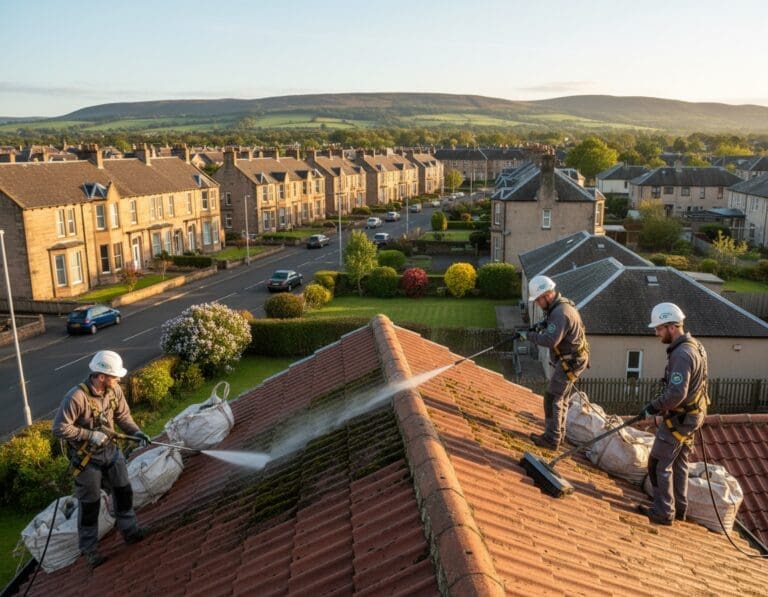
Low maintenance paving tasks include occasional raking to redistribute stones, topping up worn patches and removing leaves or large debris to reduce clogging. If fine sediments build up, a gentle jet-wash clears the surface without damaging layers below.
Carry out an annual inspection to check edge restraints, look for geotextile damage and clear inlet connections. Remove invasive weeds and ensure gutters feed correctly into the system. Well-designed installations require few interventions over their life.
Prevention of clogging starts at design. Using angular clean stone, a suitable sub-base and firm edging limits stone migration and sediment ingress. This makes routine cleaning cheaper and simpler than repairing blocked gullies or replacing failed drainage channels.
A properly built permeable gravel surface can last for decades with periodic topping and minor repairs. Compared with poorly laid asphalt or cracked concrete, gravel often outperforms in real-world conditions because it tolerates slight ground movement and freeze–thaw cycles.
For driveways that need greater load-bearing capacity, adding a reinforced grid spreads loads and prevents rutting. Repairs are usually local: replace a section of sub-base or add fresh aggregate rather than removing and relaying the whole area.
Long-term cost benefits come from lower installation costs for simple driveways and reduced repair bills over time. Fewer drainage interventions and the potential to avoid stormwater connection charges add to savings.
Homeowners should explore available incentives. Many local authorities and water companies run grants SuDS UK or offer discounts for SuDS retrofits and rainwater management measures. Check your council planning pages and your water company’s sustainable drainage schemes for specific funding details.
- Obtain multiple quotes from accredited installers.
- Check materials warranties and ask about reclaimed aggregate to cut costs.
- Factor in long-term savings when comparing cost-effective permeable paving options.
Design, aesthetic and environmental benefits for a UK home
Permeable gravel offers striking visual flexibility for period terraces, contemporary houses and cottage gardens alike. A palette of colours and textures, from pale Yorkstone chippings to darker basalt, pairs well with paving slabs, timber decking or planted borders to create layered aesthetic gravel landscaping. For driveways, consider permeable gravel design ideas that mix sizes for stability and use reclaimed stone or narrow metal edging for a neat finish.
Practical details lift both look and function. Integrate permeable grids where vehicles need extra support, and specify compacted sharper aggregates or narrow setts for stable walking routes and accessibility. Resin-bonded margins can provide smooth edges while keeping drainage intact, giving homeowners eco-friendly driveway UK solutions that feel purposeful and polished.
The environmental benefits are tangible: garden biodiversity permeable surfaces let water and oxygen reach soils, helping planting thrive and reducing runoff pollution. Pair gravel areas with rain gardens, native hedging and nectar-rich borders to attract pollinators and boost local habitat diversity. Compared with large concrete areas, gravel and locally sourced or recycled aggregates reduce embodied carbon and ease the urban heat island effect.
For listed properties or conservation areas, early contact with local planning officers helps select suitable materials and avoid delays. Well-designed permeable surfaces also help street drainage and can reduce spill-over flooding to neighbours, delivering visible community advantages. A site survey, percolation test and a SuDS-aware landscaper or civil engineer will turn ideas into practical, beautiful sustainable home improvements.