
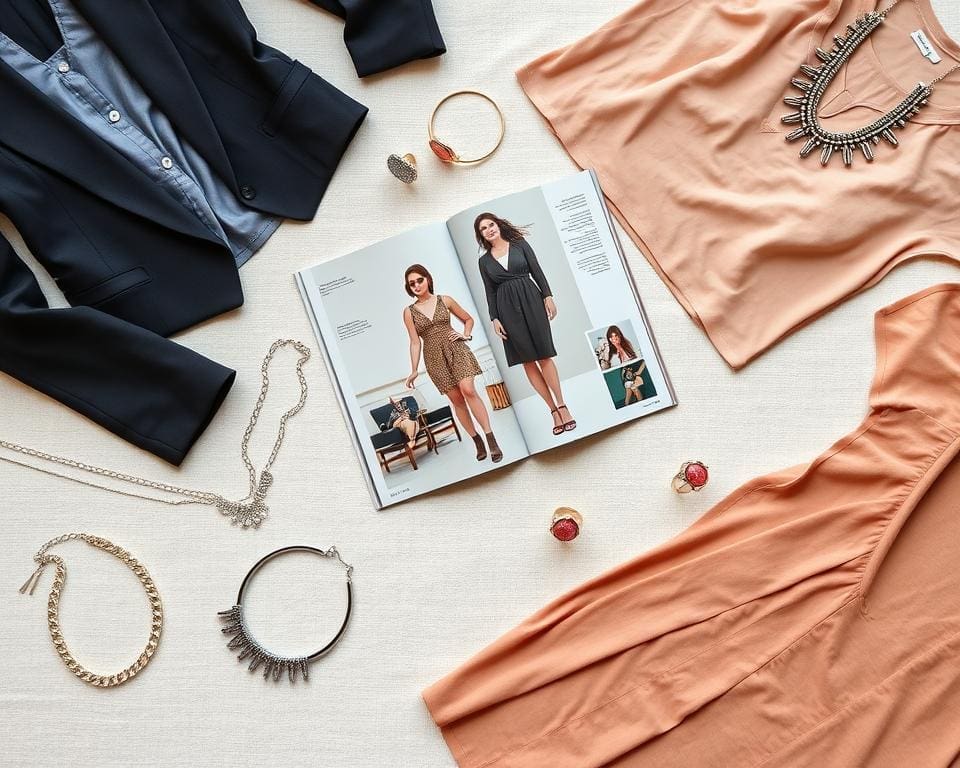
Learning how do you style accessories for any outfit turns dressing into a creative, confidence-boosting habit rather than a chore. This short guide will show readers across the United Kingdom how to accessory styling with purpose — from everyday jeans and a blazer to evening wear and office suits.
Styling accessories is about spotting an outfit’s focal point, choosing complementary colour and texture, and balancing proportion and scale. Mastering these simple rules helps you accessorise any outfit quickly and thoughtfully.
The practical benefits are immediate: you save time getting dressed, make staples like a little black dress or tailored blazer feel new, and get more wear from investment pieces such as leather bags from Aspinal of London or fine jewellery advice echoed by Tiffany & Co.
Drawing on techniques used by British Vogue editors and retailer styling desks at Selfridges and Harrods, this outfit accessories guide will first explore focal points and colour, then show how to build a seasonal, versatile accessory wardrobe, and finish with styling principles for casual, work and evening looks.
How do you style accessories for any outfit?
Accessories can change how an outfit reads. Start by noting the outfit focal point and decide whether to enhance it or divert attention. Small tests help: try one piece, step back and see how the look settles. This simple approach keeps choices confident and intentional.
Understanding your outfit’s focal point
The focal point is the item that draws the eye first — a bold coat, an embroidered blouse or a dramatic neckline. Identify whether it sits high, at the waist or low. For a patterned blouse, the torso becomes central; wide-leg trousers shift attention downwards.
Decide if accessories should reinforce the focal point or offer a counterpoint. To reinforce, echo a colour or texture with complementing accessories, such as a Mulberry bag that matches a floral tone. To counterpoint, introduce a contrasting statement piece, like bold earrings with a pared-back dress.
Practice standing naturally and testing one accessory at a time. This reveals how each item affects balance and keeps the outfit cohesive.
Choosing accessories to complement colour and pattern
Use the colour wheel to guide choices. Complementary pairings, such as navy and rust, create impact. Analogous tones give harmony; a sage scarf with an olive coat feels calm. Neutrals act as anchors and make brighter accessories easier to wear.
When working with prints, pick an accessory that lifts a secondary hue or stay simple to avoid clutter. Small-scale prints suit textured belts or suede shoes. Large prints call for minimal jewellery to keep the look readable.
Think about metallics and stones. Gold warms earth tones; silver suits cooler palettes. Pearls give a refined finish and work across many patterns. High-street ranges from & Other Stories or COS help with colour coordination accessories when you need tonal matches.
Balancing proportions between clothing and accessories
Match scale to the garment. Chunky jewellery and oversized bags balance structured coats and clean silhouettes. Delicate chains and compact clutches flatter fluid, draped fabrics.
Consider visual weight. Heavy textures, such as chunky knits or shearling, pair best with sturdy accessories like leather belts or substantial boots. Lightweight fabrics need slim, light pieces so movement stays graceful.
- Keep layering tidy: vary lengths and let one piece lead.
- Avoid more than three layered necklaces on a small frame.
- Use long necklaces to elongate and wide belts to define the waist.
Mastering accessory proportions lets you refine shape and mood. Thoughtful choices make every outfit feel deliberate and polished.
Building a versatile accessory wardrobe for every season
Start with a clear plan for a versatile accessory wardrobe that lets you transform simple outfits into striking looks. Choose eight to twelve pieces that mix classic and trend-led items. This small, considered capsule makes daily dressing effortless and keeps essential accessories at the ready.
Essential everyday pieces to keep on rotation
A practical edit centres on quality leather goods and a few jewellery staples. Think a structured leather tote in Mulberry or Coach-style quality, a hands-free crossbody, and a classic belt in black and tan. Add hoop and stud earrings, a delicate chain plus a statement necklace, a timeless watch such as Daniel Wellington or Tissot, a silk scarf and Ray-Ban aviators.
Include footwear and hats that work across outfits. Neutral ankle boots, clean white trainers and pointed flats or loafers from Church’s or Clarks cover most looks. Finish with a felt fedora or knitted beanie for instant polish.
Seasonal swaps: what to add for summer and winter
For summer, swap heavier items for lightweight straw bags, colourful silk headscarves and stacked bangles. Choose lighter metals like rose or yellow gold and try playful resin or enamel pieces to lift simple tees and dresses.
Winter calls for gloves, wool scarves — Johnstons of Elgin cashmere for a luxe option — and statement boots. Layer heavier chains and brooches on coats. Transitional items such as a mid-weight trench or a convertible bag bridge the gap between seasons and keep your seasonal accessories flexible.
Materials and care: preserving investment accessories
Good accessory care prolongs wear and protects value. For leather, use Saphir leather cream and store bags in dust bags away from bright sunlight. Rotate bags so one piece does not wear out too quickly.
Keep jewellery in separate pouches to avoid scratches. Clean gold and silver with specialist solutions or mild soap and a soft brush. For pearls, wipe with a soft cloth after wear and avoid perfume. Follow care labels for silk scarves and hat materials; dry-clean or hand-wash where recommended.
For major repairs, seek reputable UK specialists such as local cobblers or jewellers recommended by Harvey Nichols. Consider second-hand markets like Vestiaire Collective or rental services such as HURR for seasonal experimentation while reducing waste.
For practical styling tips on turning basics into standout looks, read more about how small accessory choices can amplify an outfit at how to accessorize a simple outfit for maximum. Regular accessory care and smart investment accessories care keep your collection looking fresh and ready each season.
Styling principles to elevate casual, work and evening looks
Accessories turn good outfits into memorable ones. Use simple rules to guide choices for day-to-day wear, the office and special nights out. Each setting needs a clear focal point and a touch of personality.
Casual outfits: effortless accessories that add polish
Begin with a single statement piece and keep the rest pared back. A patterned silk scarf or a bold belt lifts jeans and a white tee without overwhelming the look.
Pick classic items that work across seasons: a leather crossbody, minimal hoop earrings and a quality watch. High-street names such as Marks & Spencer or Monsoon offer casual accessories that mix well with designer pieces.
When you accessorise casual outfit, add colour or texture to a neutral base. Tie a scarf to your bag or wear sunglasses for instant polish.
Workwear: professional yet personal accessory choices
At work, aim for restraint and clarity. Choose accessories that signal competence while hinting at personality.
Opt for a structured tote or satchel, slim leather belt and small studs. In creative jobs, introduce a patterned scarf or a bolder necklace. In corporate settings, favour muted tones and modest-scale pieces.
Leather accessories in neutral colours last longer and read as considered. These professional accessories ensure your outfit looks intentional without distraction.
Evening and special occasions: when to go bold
Evening events invite drama. Select one standout item, such as chandelier earrings, a statement necklace or an embellished clutch.
If your dress is ornate, balance it with a sleek clutch and pared-back jewellery. For weddings and black-tie affairs, reach for pearls, diamonds or high-quality crystals. For cocktail parties, experiment with texture like sequins or velvet and a sculptural handbag.
Follow red-carpet rules used by British stylists: choose one focal accessory, ensure colour harmony and mind small details such as shoe condition and nail polish. Evening accessories should enhance the look without competing with it.
Accessorising by body shape, personal style and occasion
Start with the body you have and use accessories to direct the eye. For a pear shape, draw attention upward with statement necklaces, bold earrings and patterned scarves; choose narrower belts to avoid widening the hips. Apple shapes benefit from medium-width belts at the smallest part of the torso, long pendant necklaces for vertical lines and structured shoulder bags to add definition.
Hourglass figures work well with waist-defining belts and fitted jackets, and a balanced mix of earrings and bracelets keeps proportion. Rectangle or athletic frames gain curves with layered necklaces, ruffled scarves and wide belts, while rounded bags help soften angles. Petite frames suit delicate jewellery and compact bags; taller frames can carry oversized bags and long necklaces with ease. These body shape jewellery tips make styling feel intentional rather than random.
Match accessories to personal taste. Minimalist wardrobes call for slim watches such as Junghans or Skagen, single refined pieces and neutral tones. Classic lovers should favour pearls, leather totes and silk scarves. Bohemian dressing suits layered necklaces, stacked rings and textured bags, while trend-led wardrobes welcome sculptural jewellery and logo-focused bags. Edgy styling thrives on chunkier chains, biker belts and bold sunglasses. Thinking about personal style accessories helps you curate looks that feel authentic.
Finally, choose occasion-specific accessories with purpose. For daytime errands pick a crossbody, sunglasses and sensible shoes; for business meetings use a structured bag, classic watch and minimal jewellery. Dates and social outings allow a romantic scarf or a statement earring, whereas formal events need matched metal tones, a clutch and thoughtful footwear. Use a mood board, try one new piece at a time and apply the one-minute rule—if it gets in the way, leave it out—to develop confident, personalised accessory styling.