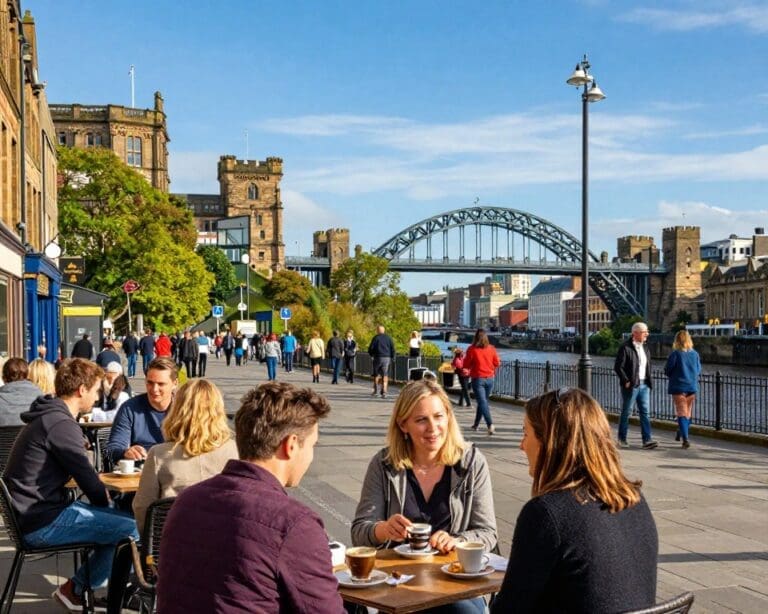
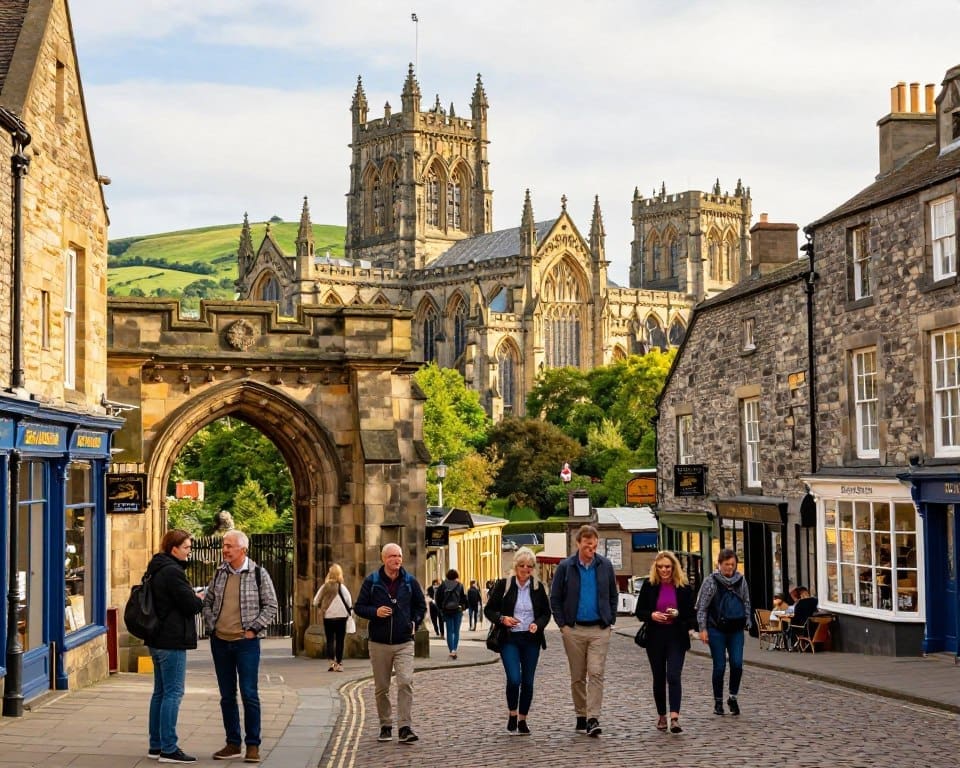
Durham invites you to step into almost a thousand years of history in a compact, walkable setting. A Durham day trip centres on the dramatic promontory where Durham Cathedral and Durham Castle stand, their Norman stonework commanding views above the River Wear. Together they form a UNESCO World Heritage site that makes one day in Durham feel like a miniature journey through medieval England.
Reaching the city is straightforward. Direct trains from London King’s Cross take around three hours and fast services from Newcastle take 15–20 minutes, so this Durham itinerary suits both weekend breaks and day trips from farther afield. The compact centre means you can explore most highlights on foot without hiring a car, which is ideal for Durham tourism visitors who prefer relaxed walking.
This short introduction outlines the day: a guided morning walking route through the cathedral quarter, time to visit Durham Cathedral and Durham Castle, riverside and medieval-street wanderings, plus lunch and coffee stops. Expect to prioritise the must-see sights while leaving room for small museums, independent galleries and quieter corners that reveal the city’s layered past.
Season and light matter. Spring and summer give longer daylight and lush riverbanks; autumn casts warm tones perfect for photography. Practicalities such as opening hours, ticket pre-booking for guided tours at Durham Cathedral and Durham Castle, public-transport links and comfortable footwear are noted here and expanded later in the full guide.
How do you spend a day discovering historic Durham?
Begin your Durham morning itinerary with a short stroll from the station into the Market Place. Local traders set up fresh produce and crafts, offering a lively start before you head up Silver Street or Owengate to Palace Green. This gentle approach helps you absorb the scale of the city and plan a clockwise Durham cathedral quarter walk that shows the site from many angles.
Morning walking route through the cathedral quarter
Allow 60–90 minutes for the initial loop. Start on Palace Green, move through the cathedral precincts and take the Norman Bridge viewpoint. Follow the River Wear path toward Framwellgate Bridge, then return along Saddler Street for cobbled charm and varied perspectives. This Durham morning itinerary gives time for pause, reflection and quick photographs without feeling rushed.
Essential sights: Durham Cathedral and Castle
Book a Durham Cathedral tour in advance to see the nave, Galilee Chapel and the shrine of St Cuthbert. The Romanesque nave and sturdy columns reward a slow walk and careful listening during occasional choral services. George Gilbert Scott’s 19th-century work sits alongside 11th–12th-century fabric for dramatic contrast.
Plan a Durham Castle visit via English Heritage or Durham University guided tours. Tours often include the Great Hall, Norman chapel and keep. Note that access can be limited during term time or events, so check times and combined ticket options before you travel.
Tips for photography and best light
For photography Durham offers two golden windows. Early morning after sunrise lights Palace Green beautifully. Late afternoon and the evening golden hour favour riverside reflections and warm stone tones. Use bridges and cobbled streets as leading lines to add depth to compositions.
When shooting inside the cathedral, shoot in RAW and raise ISO modestly for hand‑held frames. Respect signage on tripods and flash. Avoid service times to preserve the peace of worship and the integrity of the site while you capture the best light Durham provides.
Historic landmarks and hidden corners to visit
Durham reveals its past in quiet moments along the river, down narrow lanes and inside compact museums. Start with a gentle Durham riverside walk to feel the city’s ribbon of water looping around the cathedral hill. These routes give calm viewpoints and photo chances away from the busiest spots.
Riverside walks and the weir viewpoint
Follow the banks below the castle and cathedral for the most rewarding scenes. The bend of the River Wear frames the hill and creates reflective pools that change with the seasons.
Pause at the Durham weir viewpoint by the riverside path near Wharton Park to listen to flowing water and watch herons and ducks. Cobble steps and riverside benches make it easy to step down for a closer view or a quiet moment away from the Market Place.
Ancient streets: Old Elvet and Saddler Street
Old Elvet Durham runs along the south side of the peninsula. St Oswald’s Church and a mix of university buildings and shops give this street a quieter, studious feel. Look for carved stonework and historic signage as you walk.
Saddler Street Durham is the medieval route from the Market Place up to the cathedral precinct. The cobbles, independent bookshops and ornate doorways create a vivid sense of the past. Turn into ginnels and alleys to find timber framing and old boundary stones tucked away from the main flow of visitors.
Small museums and independent galleries worth a stop
Palace Green Library and the Durham University museum spaces offer compact displays of manuscripts, regimental history and ecclesiastical artefacts. Check local listings for temporary exhibitions that can add fresh insights to a short visit.
The Oriental Museum provides an unexpected cultural detour with art and artefacts from around the world. It sits a short walk or bus ride from the city centre and rewards those who seek quieter galleries.
Seek out Durham museums focused on local history near the Market Place to learn about industrial heritage and civic life. Small independent Durham galleries and craft shops on Saddler Street often show contemporary work by regional artists. Note that many of these smaller venues close earlier than major attractions and may have varied opening days, so it pays to check times before you set off.
Where to eat and drink while exploring Durham’s past
As you walk between cathedral towers and cobbled lanes, Durham’s food scene offers warm pauses and local flavour. Pick a time for a mid-morning coffee or an afternoon treat, then plan a pub stop for a taste of regional brewing. A short break makes the day’s sights more memorable.
Traditional British tearooms and bakeries
Head for classic options around the Market Place and Saddler Street to enjoy cream teas, scones and freshly baked pastries. Many Durham tearooms and Durham bakeries pride themselves on artisan sourdough, locally sourced preserves and seasonal cakes.
Look for speciality coffees and menus that list vegetarian and gluten-free choices. A mid-morning pastry after a walk through the cathedral quarter or an afternoon tea stop after museums will feel perfectly timed.
Historic pubs with character and local ales
Step into inns that date back centuries and you will meet low ceilings, timber beams and stone hearths. These atmospheric rooms set the scene for sampling Durham ales and regional brews from County Durham microbreweries.
Menus often offer hearty pub lunches such as pies, stews and ploughman’s platters. Popular historic pubs Durham can fill up at lunchtime and in the evening, so reserve a table if you are visiting with a group.
Lunch options near the cathedral: quick bites and relaxed dining
For a fast option, cafés and sandwich bars in the Market Place and on Saddler Street serve filled baguettes, salads and seasonal soup. These spots are ideal when you need lunch near Durham Cathedral and want to keep exploring.
For relaxed dining, choose bistros within a short walk of Palace Green that focus on seasonal British menus and local suppliers. Pick a table with a view of the green or the riverside for an atmospheric pause. Families should check for children’s options and high-chair availability.
Practical tips for making the most of a day trip
Arrive early to make the most of daylight and quieter moments on Palace Green and the riverside. A typical Durham day trip tips itinerary works well: morning for the cathedral and castle exteriors with a guided tour, midday for riverside walks and lunch, afternoon for small museums and galleries, and late afternoon for photography around Market Place. In winter, shorten outdoor sections and favour indoor sights when Durham opening times are reduced.
Book ahead for popular slots to avoid disappointment; Durham ticket booking for cathedral tours, castle access and special events is wise, especially at weekends and during university term time. Check official Durham Cathedral and English Heritage pages for tour schedules and be aware that choral services or concerts may change access but can offer memorable cultural experiences.
Central Durham is compact and best explored on foot, yet many routes include cobbles and steps, so wear sturdy shoes and pack layers. For Durham travel advice on getting around, note regular trains to Durham station, local buses, taxis and cycle hire. Parking is limited in the city centre and often charged, and Durham accessibility varies across historic sites, so confirm step-free options before you visit.
Respect places of worship and university property: keep noise low during services, follow photography rules and stick to marked paths to protect riverbank habitats. Carry a paper or digital map, a reusable water bottle, an umbrella and contact details for Visit County Durham and the Durham Visitor Centre for up-to-date guidance. For inspiration on scenic walks that combine history and views, consider a city walls-style stroll similar to the routes described at this walking guide.