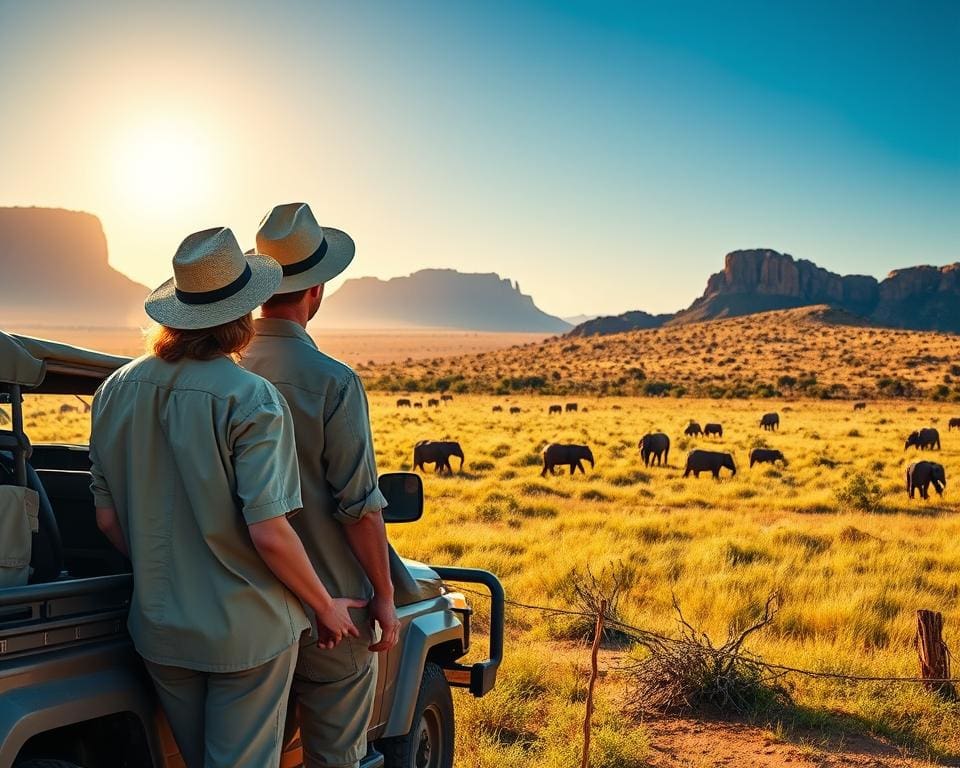

Planning a Namibia safari starts with clear choices about time, route and comfort. You will want to know whether a self-drive or guided trip suits you, how long to stay, and how to balance visits to Etosha, Sossusvlei, Damaraland and the Skeleton Coast. These decisions shape everything from Windhoek flights to vehicle hire and park permits.
Give yourself at least three to six months to book in peak season. That lead time helps you secure reputable lodges, reliable 4x4s and the best rates for Windhoek flights. Budget for international tickets, domestic transfers, vehicle rental, park fees and tips so you avoid surprises.
Health and safety are core to your preparation. Check FCDO travel advice and NHS Fit for Travel guidance, plan vaccinations, and ensure travel insurance covers medical evacuation. If you need malaria prevention, include that in your checklist before you depart.
Packing decisions matter for comfort and conservation. Practical safari packing Namibia includes layered clothing for hot days and cool nights, sturdy footwear, spare camera batteries and a good torch. Later sections explain vehicle fuel planning, road conditions and the 4×4 requirements for remote tracks.
Throughout this guide you will find Namibia travel tips that reflect advice from the Namibia Tourism Board and park authorities. Use them to set realistic expectations about wildlife viewing, walking safaris and cultural visits so your trip is safe, responsible and unforgettable.
Planning your Namibia safari: best time, itinerary and permits
Planning sets the tone for your trip. Think about weather, travel time and costs so your days in Namibia match your expectations. Read up on Namibia safari seasons and weigh wildlife sightings against comfort and budget before you book flights or lodges.
Choosing the best time to visit
The high season runs June–October when cooler, dry months deliver reliable game viewing. Many animals gather at permanent waterholes during the Etosha dry season, so your chances of close sightings rise. Daytime highs sit around 20–28°C while nights can drop close to freezing in June and July.
Shoulder months—April–May and November—offer fewer crowds and lower prices. Wildlife viewing remains good in these windows. November can feel hot as the rains approach, so expect sudden temperature swings.
The green season from December–March brings heat, rain and lush landscapes. Migratory birds arrive and plains species give birth, creating dramatic photographic moments near Sossusvlei sunrise and at watering spots. Some gravel roads may become difficult to pass, so keep plans flexible.
Building an itinerary that matches your interests
Choose regions by what you most want to see. Etosha National Park delivers classic wildlife viewing, salt pan vistas and easy access to waterholes. Sossusvlei in the Namib Desert offers monumental red dunes and the iconic Sossusvlei sunrise that photographers prize.
Damaraland reveals desert-adapted elephants, black rhino and ancient rock art at Twyfelfontein. The Skeleton Coast shows shipwrecks and seal colonies, best reached by fly-in options or long drives from Windhoek.
Mix game drives with guided walks in private reserves, and add cultural visits to Himba communities where ethical arrangements are in place. Plan morning and late-afternoon drives to avoid midday heat. Allow travel days between regions and consider domestic flights to save time on long, gravel routes.
Pick accommodation that suits your comfort level. Lodges and tented camps offer guided activities, private concessions may allow night drives and walking safaris that national parks do not. Include buffer days for delays and unexpected opportunities.
Visas, permits and park fees
Check entry requirements well before you travel. Most UK passport holders do not need a Namibia visa for UK travellers on short tourist stays, usually up to 90 days, but confirm current Foreign, Commonwealth and Development Office guidance. Ensure your passport has adequate validity and blank pages.
Factor Namibia park fees into your budget. National parks like Etosha charge daily entry fees. Private reserves may add concession charges or activity supplements. Rates vary by park and nationality, so verify current prices with Namibia Wildlife Resorts or the Directorate of Parks and Wildlife.
If you plan to self-drive and camp, secure campsite bookings and permits in advance. Some community campsites levy conservation or tourism fees that you must pay and carry proof of. Check rental company rules about vehicle permits for certain tracks and whether crossing park boundaries needs extra paperwork.
Packing and health preparations for a Namibia safari
Preparing for a Namibia trip means balancing smart kit choices with sensible health planning. A clear Namibia safari packing list keeps you comfortable on dusty tracks and cold dawn drives. Pack items that work for hot days, chilly mornings and remote camps.
Essential clothing and gear
Choose safari clothing Namibia in neutral tones such as khaki, olive and beige to avoid startling wildlife. Breathable merino or quick-dry shirts and trousers are ideal for daytime heat. Add a fleece or lightweight down jacket for early mornings and winter nights.
Bring sturdy walking shoes or light hiking boots for rocky terrain and comfortable trainers or sandals for camp. A wide-brimmed hat, UV sunglasses and high-SPF sunscreen protect you from strong sun. Pack a buff or scarf to guard against dust.
For insect and sun protection, include long-sleeved lightweight shirts for evenings, DEET-based repellent and a small mosquito net for basic camps. For photography, invest in reliable safari camera gear: a DSLR or mirrorless body with a 200–600mm telephoto, a fast prime for low light and spare memory cards and batteries.
Binoculars (8×42 or 10×42) are essential for distant sightings. Power solutions such as solar chargers, 12V car adaptors and a robust power bank keep devices charged. Carry a universal adaptor; many lodges offer 220–240V with Type D/M or European sockets. Add a headtorch with a red-light option, a reusable water bottle with tablets, a quick-dry towel and zip-seal bags for electronics.
Health, vaccinations and travel insurance
Ensure routine vaccinations are up to date: MMR, diphtheria–tetanus–pertussis and polio. Discuss Hepatitis A, typhoid and Hepatitis B with your GP based on your itinerary. Check latest Foreign Office and health advice for yellow fever rules if you transit from affected countries.
If you plan to visit northern parks or travel in the rainy season, speak to a travel clinic about malaria prophylaxis Namibia. Common options include atovaquone–proguanil, doxycycline or mefloquine, chosen to suit your medical history. Use repellent and sleep under nets where available.
Buy comprehensive travel insurance that covers remote care and travel insurance medical evacuation. Confirm coverage for helicopter transfers, repatriation and the activities in your itinerary such as walking safaris or quad-biking.
Medicines and first-aid essentials
Carry prescriptions in original packaging with a copy and a GP letter for controlled medicines. If prescribed, keep a full course of antimalarial tablets with you. Store medications in your carry-on baggage.
Assemble a travel first-aid kit: adhesive plasters, sterile dressings, antiseptic wipes, wound strips, tweezers and small scissors. Include paracetamol or ibuprofen, antihistamines, loperamide for diarrhoea, oral rehydration salts and topical antibiotic ointment. Add blister treatment for long walks.
Namibia’s dry climate raises dehydration risk. Use electrolyte sachets and drink frequently. For thorn or rock scratches, clean wounds immediately and apply antiseptic. Seek professional care for animal bites or serious injuries. Keep a simple medical card with allergies, blood type and emergency contacts in your wallet.
Logistics, safety and responsible travel on a Namibia safari
Before you travel, map flights to Windhoek and regional connections. Many UK travellers arrive at Hosea Kutako International Airport (WDH) on carriers such as British Airways or Lufthansa, then transfer to regional services or charter flights. If your lodge is remote, confirm scheduled fly‑in options with Westair Aviation or local charter operators to avoid last‑minute changes.
Decide early whether you will do a self‑drive Namibia trip or book a guided tour. For self‑drive, hire a well‑maintained 4×4 from reputable firms like Europcar Namibia or Avis Namibia, and check insurance terms for gravel damage. Carry a spare tyre, puncture kit and extra fuel where allowed. Guided safaris remove navigation stress and improve safari safety Namibia through experienced guides and local knowledge.
On the road, expect long gravel stretches and sparse services. Observe speed limits, secure permits for restricted tracks and plan fuel and food stops. Always follow wildlife rules: stay inside the vehicle unless your guide says otherwise, do not feed animals and avoid night driving unless authorised. Know emergency contacts, your embassy details and the nearest medical facility such as Windhoek Klinikum.
Practice responsible tourism Namibia during your stay. Support lodges and operators that work with community conservancies, reduce single‑use plastics, conserve water and stick to existing tracks. Be mindful when photographing people and wildlife, pay fair prices for local crafts, and use local SIMs like MTC or Telecom Namibia for better coverage in remote areas.