
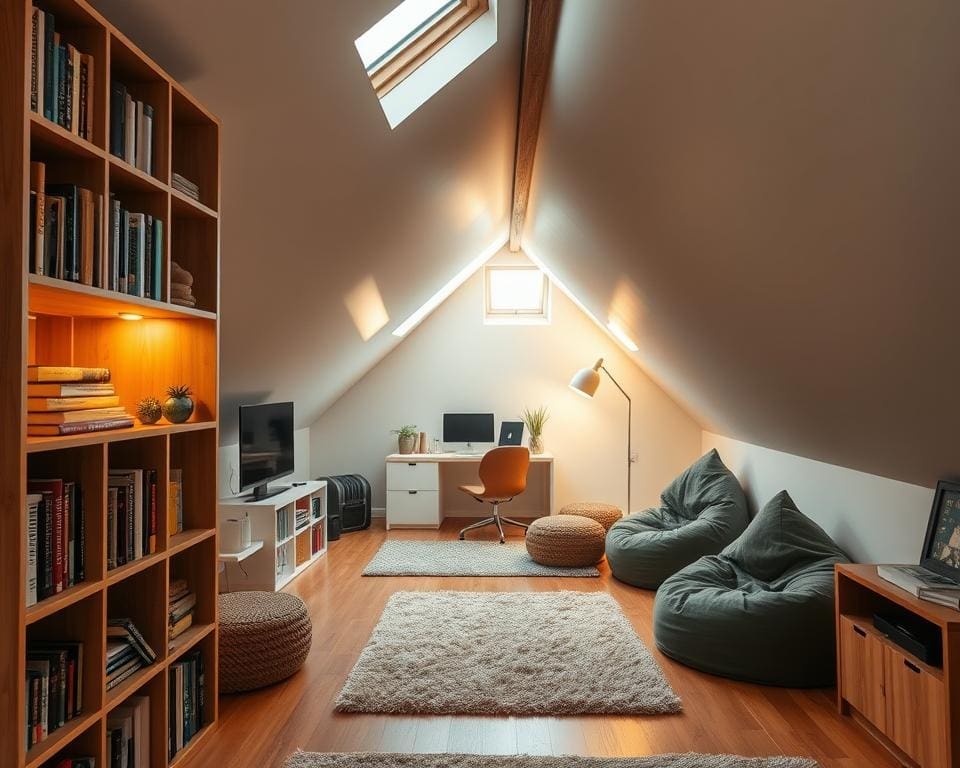
Maximising attic space can transform seldom-used areas of your home into functional havens for living, storage, or leisure. By embracing various attic space solutions, you can elevate the comfort and utility of your property. Efficient loft use is not just about reclaiming square footage; it’s an opportunity to enhance your home’s aesthetic and market value through thoughtful design. Through space optimisation for attics, you can unlock the hidden potential of this versatile area, creating inspiring environments that cater to your family’s needs.
Understanding Your Attic Space
Understanding the different types of attics available is key to maximising the potential of your home. Attics come in various forms, each offering unique advantages and possible uses. The decision to convert an attic into a living space can significantly enhance your home’s value and functionality.
Types of Attics: Recognising Your Options
There are several types of attics, including traditional, loft, and converted spaces. A traditional attic typically has a pitched roof, creating space for storage, but with smart design, it can easily be modified into a livable area. Loft attics provide more height and often come with larger windows, making them suitable for workspaces or guest accommodations. Converted attics represent a transformation of previously unused spaces, allowing for a home office, playroom, or even a serene reading nook.
Assessing Attic Height and Accessibility
Conducting an attic height assessment is essential for determining the usability of your attic space. The vertical clearance plays a crucial role in the livability of the converted area, as low ceilings can limit functionality. Attic accessibility is another vital factor to consider. You should evaluate the stairway access—will you require a pull-down ladder or a full staircase for easy entry? These elements will dictate what can be achieved within the attic, guiding you towards practical design solutions.
For more detailed guidance on transforming your attic, exploring attic conversion ideas is highly recommended. This information can help you envision the potential of your space and make informed decisions about your renovation project.
Crafting a Functional Layout
Transforming your attic into a functional space starts with a thoughtful approach to its layout. Attic zoning can effectively designate areas for storage and living, allowing you to make the most of the limited square footage. This ensures that each section serves a purpose while maintaining a beautiful aesthetic.
Zoning Your Attic: Areas for Storage and Living
Begin by assessing how you intend to utilise your attic. Divide the space into distinct zones for various activities, such as relaxation, work, or storage. For instance, consider placing a comfortable reading chair in one corner while utilising shelves along the slanted walls for books and decorative items. This feels cohesive and creates a relaxing atmosphere.
For the storage areas, think about seasonal items or memorabilia that can easily be tucked away in appropriately sized containers. Implement creative under-eave storage solutions that transform those awkward spaces into functional storage units, enhancing your attic layout design.
Choosing the Right Furniture and Storage Solutions
Selecting the right furniture for attic spaces requires careful consideration of the attic’s shape and dimensions. Look for multifunctional furniture pieces that maximise utility without overcrowding the area. Options such as ottomans that double as storage or fold-down desks can provide convenience while maintaining an uncluttered environment.
Incorporate floating shelves for a sleek appearance that maintains accessibility. Modular storage can be adjusted to fit your attic’s unique features, making it a versatile choice. Fitting furniture into the zoning plan ensures that all sections of your attic work harmoniously together.
For more ideas on optimising space in your attic, visit this resource that offers insights into practical solutions.
How do you maximize attic space efficiently?
Maximising attic space efficiently begins with a thoughtful approach to decluttering and utilising vertical space. Each item holds potential value, making it crucial to evaluate what truly deserves a spot in your attic. With strategic decluttering tips, you can transform a cluttered loft into an organised haven. Following this, implementing vertical storage solutions enhances attic efficiency by capitalising on the otherwise underutilised height of your space.
Decluttering: The First Step to Efficiency
Successfully maximising attic space starts with decluttering. Begin by sorting through your belongings and categorising them into items to keep, donate, and dispose of. This process allows you to identify what is essential and what can be relinquished. Embrace the *freedom* that comes from letting go of unnecessary clutter. By applying practical decluttering tips, you create an environment that promotes better organisation and efficiency, leading to a more functional attic.
Utilising Vertical Space: Shelving and Racking Solutions
Once the clutter is under control, focus on vertical storage solutions that make the most of your attic’s height. Installing sturdy shelving units or customised racking systems can remarkably improve organisation. Consider using wall-mounted shelves, which keep floor space clear while providing ample area for storage. This method not only enhances attic efficiency but also allows for easy access to frequently used items. Remember to maximise every inch by considering tall bookshelves or stackable boxes that take full advantage of your space’s verticality.
Creative Storage Ideas for Attics
Transforming an attic into an organised and functional space requires thoughtful consideration of storage ideas for attics. Choosing the right storage solutions plays a vital role in achieving the ultimate functionality. Here, we explore the benefits of built-in storage solutions compared to freestanding furniture, as well as innovative container storage tailored for smaller spaces.
Built-in Storage vs. Freestanding Furniture
Built-in storage solutions provide a seamless look, integrating into the architectural features of your attic. Such options can maximise floor space and create a tidy appearance. Customised cabinets and shelves can fit snugly into corners and under eaves, ensuring that no space goes to waste. On the other hand, freestanding furniture offers flexibility. This allows you to rearrange pieces based on current needs or preferences, facilitating adjustments as your storage requirements evolve. Combining both types can lead to a well-rounded storage strategy that serves both practicality and aesthetics.
Innovative Container Solutions for Small Spaces
Incorporating container storage can significantly enhance organisation while keeping clutter at bay. Various designs, such as stackable boxes and decorative bins, can store seasonal items or memorabilia. Clear storage solutions allow visibility, making it easy to locate belongings without rummaging through inaccessible areas. Consider employing two-layered methods by placing frequently used containers at the top and season-specific ones below. These strategies not only utilise vertical space efficiently but can turn even the most challenging attic corners into valuable storage zones. To discover more ingenious approaches, explore various storage ideas for attics that can inspire an innovative storage transformation.
Transforming Attic Space for Leisure or Work
Utilising an attic for both leisure and work can unlock a world of possibilities. With thoughtful planning, this often-overlooked area can become a productive home office or a serene reading nook. Embracing attic transformation enhances both the functionality and aesthetics of your home.
Creating a Home Office in the Attic
A home office design in the attic presents an ideal opportunity to create a tailored workspace away from distractions. Begin by assessing the layout, ensuring that desk placement maximises natural light from skylights or windows. Selecting ergonomic furniture can significantly enhance comfort during long working hours. Consider incorporating storage solutions to keep the area organised, as clutter-free spaces foster productivity.
Designing a Cosy Reading Nook
For a relaxing retreat, turning part of the attic into a reading nook is an excellent option. Focus on creating a warm environment with plush seating and ample cushions. Lighting plays a crucial role; layered options, such as floor lamps and fairy lights, can set the perfect mood. Bookshelves can help organise your favourites while adding character to the space. Reading nook ideas should prioritise comfort and invitation, encouraging you to unwind with a good book.
Enhancing Attic Functionality with Insulation and Lighting
To truly elevate the use of your attic, considering attic insulation is key. Proper insulation methods, such as spray foam and rigid board, provide effective temperature regulation, ensuring the space remains comfortable year-round. Not only does this enhance the livability of your attic, but it also promotes energy efficiency, which is essential for any functional attic design. By investing in high-quality insulation, you can turn your attic into a pleasant retreat without incurring excessive energy costs.
Equally important are lighting solutions for attics, which can transform the atmosphere significantly. Incorporating options like recessed lighting for a clean look, skylights for natural illumination, or task lamps for focused activities can brighten even the coziest nooks. These lighting strategies not only enhance visibility but also create an inviting environment, making the attic a versatile space ideal for relaxation or productivity.
In conclusion, by marrying effective attic insulation with thoughtful lighting solutions for attics, you can maximise the functionality of this often-overlooked area of the home. With a balanced approach to comfort and aesthetics, your attic can transcend its basic utility, evolving into a true extension of your living space that invites creativity and enjoyment at any hour.