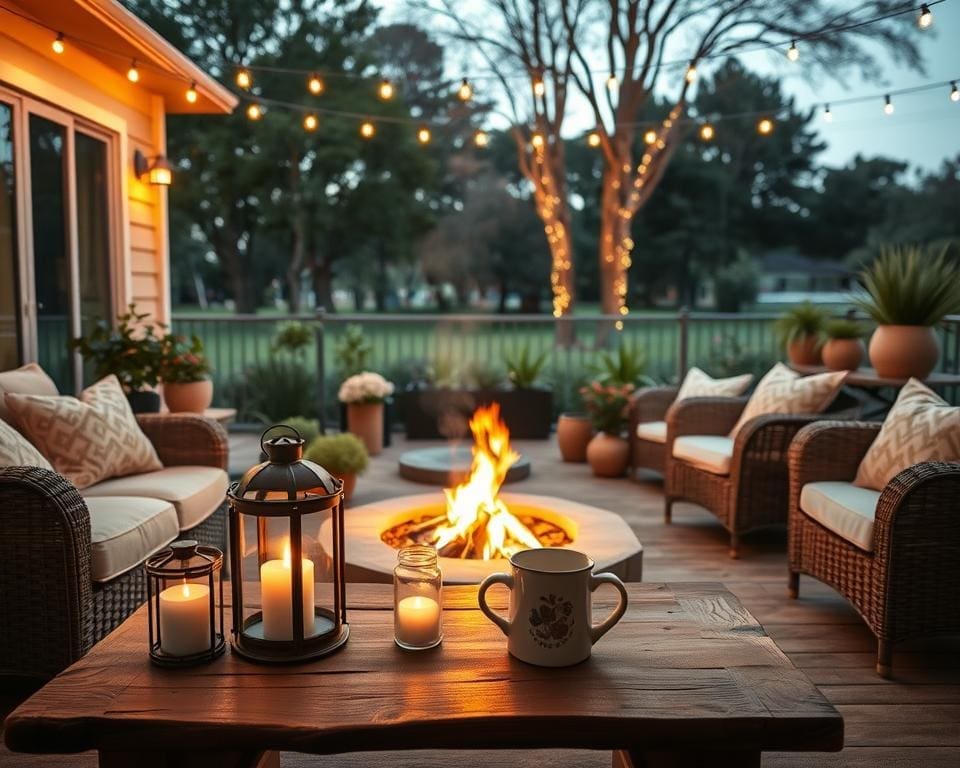

Adding a garden fire pit can transform your outdoor area into a cosy outdoor space that you use through autumn and into winter. A well-chosen backyard fire pit becomes a focal point for friends and family, giving warmth, light and the chance to cook simple treats like toasted marshmallows or pan-grilled dishes.
Before you buy, think about fire pit design UK options and how they will fit your garden layout and sightlines. You will need to assess the space, check local planning guidance and decide on a fuel type — wood, gas or bioethanol — that suits your lifestyle and neighbours.
This guide explains practical steps so you can plan, design and maintain a safe, attractive garden fire pit. Follow the sections that cover positioning, safety clearances, seating and weatherproof textiles, plus lighting, planting and upkeep to keep the area inviting all year.
Planning your outdoor fire pit area for comfort and safety
Start by mapping your garden layout and measuring the usable area. Good fire pit placement balances a focal position with safe clearances. Aim for 2–3 metres from furniture, fences and overhanging branches unless the manufacturer specifies otherwise.
Check wind direction across different times of day to avoid smoke nuisance near windows and neighbouring gardens. Position seating upwind of the flame where possible and keep paths clear for moving fuel or an LPG cylinder.
Assessing your space and positioning the fire pit
Choose a spot that becomes a natural gathering focal point without blocking circulation. Patio fire pit positioning works well at the edge of a terrace or centred within a circle of seating.
Provide a stable fire pit base on level ground. Use patio paving, compacted gravel or a gravel fire pit area to prevent tipping and protect turf from scorch marks.
Understanding local regulations and safety clearances
Learn the local fire pit regulations UK and follow council guidance on smoke nuisance and permitted hours. There is no single national ban, but local rules and lease covenants may restrict open flames.
If you plan a piped gas installation, consult a Gas Safe registered engineer and check building regs that may apply. Keep an extinguisher handy and review your home insurance for exclusions.
Choosing the right fuel type: wood, gas or bioethanol
Weigh wood vs gas fire pit options. Wood gives authentic ambience and cooking potential but creates ash and smoke. Gas and LPG fire pit UK models offer quick control and less smoke, suiting terraces and close neighbours.
Bioethanol fire pit units are clean-burning and portable, though fuel cost and refill safety matter. Consider smokeless fuels or hybrids if smoke nuisance is a concern.
Creating safe surfaces and fireproof zones
Use non-combustible surfaces beneath and around the pit. Stone, brick and concrete pavers form a reliable fire pit base. For decking, install manufacturer-approved heat shields or a metal tray.
Define a clear fireproof zone, remove low branches and combustible debris, and ensure drainage so water does not pool under the appliance. Store logs in a ventilated shelter well away from the fire area.
outdoor fire pit ideas to craft a cosy gathering spot
Choose a fire pit style that suits your garden and the way you use outdoor space. Contemporary fire pits in corten or stainless steel suit modern patios, while a rustic fire pit in stone or brick fits cottage gardens. Consider prefabricated bowls from brands like Gardeco for quick install or bespoke masonry if you want custom scale and integrated seating.
Selecting a fire pit style
Match materials to your climate. Corten steel develops a protective patina, stainless steel resists corrosion and cast iron offers a classic look with a little extra maintenance. Think about multi‑use designs such as removable grilling grates or fire tables that double as dining tops. Size the pit so it feels balanced with your planting and furniture.
Seating arrangements to encourage conversation
Plan seating to create an outdoor conversation area that invites lingering. Circular seating and semi‑circles help everyone see each other. Bench seating built from stone or timber gives permanence, while movable chairs offer flexibility for different group sizes.
Keep distances comfortable. Aim for seats around 1.5–2.5 metres from the flame depending on pit size to avoid heat discomfort yet retain warmth. Add low tables, pouffes and side tables so people can rest drinks and plates without leaving the circle.
Adding textiles and cushions that withstand the outdoors
Choose outdoor cushions UK shoppers trust, made with weatherproof textiles and quick‑dry cushions for damp days. Solution‑dyed acrylics such as Sunbrella, polyester blends with water‑repellent finishes and foam inserts that drain will reduce mould and fading.
Pick stain resistant fabrics and stitched seams with drainage holes. Store cushions in a breathable deck box or use waterproof covers when wet. Keep soft furnishings a safe distance from open flames to avoid melting or scorch damage.
Lighting, sound and plantings to enhance ambience
Use layered outdoor lighting ideas to complement the fire pit glow. Warm LED path lights, uplighters for feature plants and low pendant lights over seating create depth while keeping the pit as the focal point. Dimmers or smart systems let you tailor the mood.
Add gentle soundscapes with weatherproof outdoor speakers from brands such as Sonos or JBL at low volume to respect neighbours. Design planting for shelter and biodiversity by choosing wildlife‑friendly planting and low‑litter species like lavender, miscanthus and box.
Create an acoustic garden effect by using shrubs and hedging as sound buffers and windbreaks. Position scented, pollinator‑friendly plants at safe distances from flames to enrich evenings without adding fire risk.
Maintaining your fire pit and enhancing year‑round use
To keep your fire pit safe and inviting, adopt a simple routine of fire pit maintenance. For wood-burning pits, perform ash removal after every use once the embers are cold; remember that ashes can hold heat for 24–48 hours. Store cooled ashes in a metal container and dispose of them per local guidance. Inspect liners or masonry regularly for cracks and repoint or repair as needed to prevent further damage.
Gas and bioethanol units need different attention. Check burners and fuel lines for blockages or corrosion, and book an annual inspection with a Gas Safe engineer for gas appliances. Replace hoses and LP cylinders in line with supplier guidance. Keep a log of servicing and repairs, and retain manufacturer manuals and installer contact details for reference.
Protect metal pits from corrosion by cleaning and applying heat‑resistant paint or recommended rust inhibitors for corten or steel. Stainless steel benefits from occasional polishing to maintain finish. Use a breathable, weatherproof cover for fixed installations to avoid water ingress during winter and to aid winterising fire pit routines. Good rust prevention and careful covers extend lifespan and cut the need for major repairs.
To enjoy your fire pit through the seasons, add practical upgrades: a heat-reflecting screen or portable canopy for cooler evenings, decking or portable patio heaters for supplementary warmth, and windbreaks, pergolas or retractable awnings to shelter the area while keeping ventilation. Clean grills and skewers after cooking, store accessories dry, and follow safety checks. If corrosion or structural cracks reach a severe stage, replace the unit and recycle metal components at local centres. Regular attention to ash removal, winterising fire pit steps and rust prevention will keep your outdoor space cosy and safe all year.