
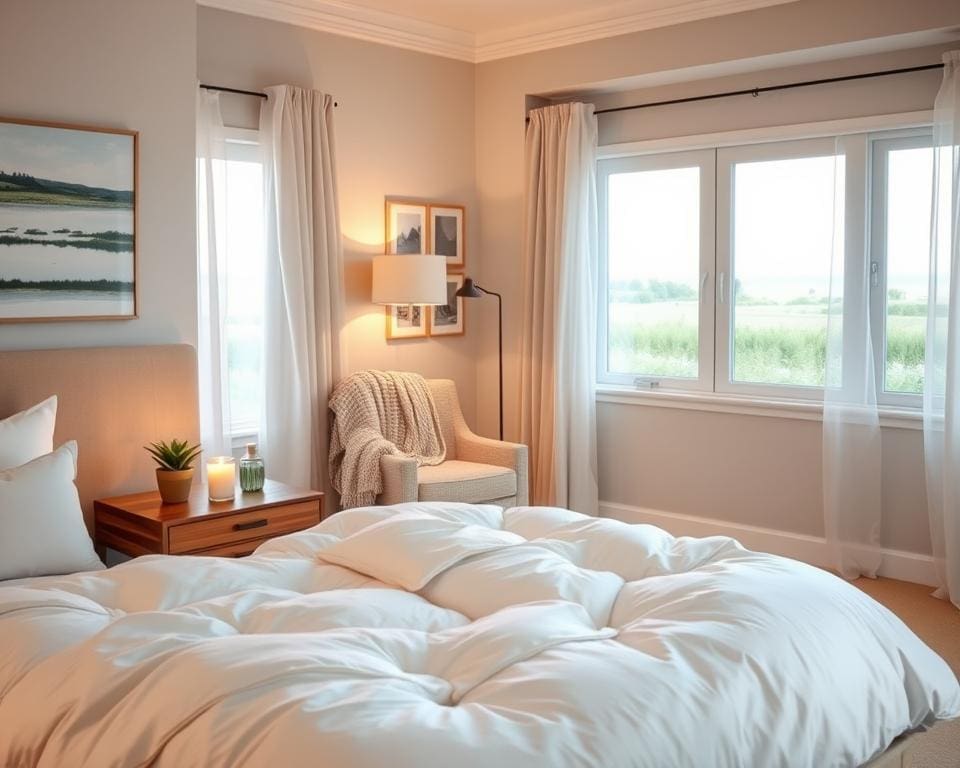
Creating a bedroom sanctuary means shaping a space that feels warm and restful while also working for daily life. A successful bedroom cozy design blends soft textiles, thoughtful lighting and smart storage so you sleep better and feel calmer each morning.
Start with clear intent. Decide whether the room will be for sleeping only, or also for reading, dressing or a small work corner. That intent guides choices about colour, lighting and furniture and helps achieve a functional bedroom layout that fits your routine and room size.
Research links calm, organised bedrooms to quicker sleep onset, longer sleep and lower stress. Follow basic sleep-hygiene principles: keep the room cool, dark and quiet, and limit electronic distractions to support mood and rest.
Begin practical planning with measurements and an audit of belongings. Note window and door placement, radiators and built-in cupboards. Make a simple budget and timeline, listing immediate swaps like new bedding and longer-term changes such as bespoke wardrobes.
In the UK, adapt cosy bedroom ideas to typical homes: smaller city flats, terraced houses and period properties often need compact solutions or listed-building‑friendly updates. Look to John Lewis & Partners, Heal’s, Made.com or local upholsterers for furniture and textiles that suit British tastes and space constraints.
Bedroom cozy design: creating warmth and atmosphere
Crafting a welcoming bedroom means blending colour, light, texture and scent to form a calm retreat. Small changes build a strong sense of comfort. Think of the room as a shell that shelters you at the end of each day.
Choosing a calming colour palette
Colour shapes mood. Soft neutrals, warm greys, muted greens, dusky blues and warm blush tones encourage rest and slow the mind. Use a layered palette: neutral walls, mid-tone furniture and a few accents for depth.
Test paint samples at different times to judge natural light. Pick eggshell or matte finishes to cut glare. In smaller UK bedrooms, lighter shades open the space. A darker feature wall behind the bed can feel cocooning without closing the room.
Pick trusted brands like Farrow & Ball, Dulux or Little Greene for consistent colour and low-VOC options. These choices improve air quality and pair well with hygge bedroom design principles.
Lighting strategies for comfort and ambience
Good lighting layers tasks and mood. Start with soft overhead light, add bedside lamps and include a dimmable option for flexibility. Choose warm LED bulbs for gentle colour temperature.
- Bedside lamps with adjustable arms suit reading and relaxation.
- Wall sconces free up table space and create cosy pools of light.
- Fairy lights or LED strips behind a headboard provide subtle ambience.
Mixing these bedroom lighting ideas creates zones for waking, winding down and reading without harsh glare.
Textiles and soft furnishings to enhance snugness
Layering soft materials adds tactile warmth. Choose a mix of cotton, wool and linen in throws, rugs and cushions. These elements make the bed feel inviting and grounded.
Opt for quilted duvet covers, a textured throw at the foot of the bed and a thick rug by the bedside. For a true cosy feel, pick natural fibres that breathe and age well. Small touches of cosy textiles turn a plain room into a personal sanctuary.
Incorporating scents and sensory details
Scent influences comfort as much as sight. Select subtle options like lavender, bergamot or sandalwood to aid sleep. Place a reed diffuser or a small ceramic oil burner away from fabrics to be safe.
Sound and temperature matter too. Soft background noise, such as a low fan or a white noise machine, can help. Keep the room cool and ventilated to support rest. Together, ambient scents for bedroom and gentle sensory cues complete a calming space.
Practical layout and storage for a functional bedroom
Thoughtful layout and smart storage turn a pretty room into a peaceful retreat. Use clear rules to balance circulation, comfort and practicality. Small adjustments to bed placement and storage choices create space for relaxation and daily routines.
Optimising bed placement
Place the bed as the room’s focal point and leave access on both sides where you can. Aim for at least 60–75 cm of circulation space to avoid cramped movement and to keep doors and wardrobes usable. In loft conversions or rooms with sloped ceilings, sit the bed where headroom is greatest to make the most of the space.
Traffic flow tips
- Fit the bed against the longest uninterrupted wall in small British rooms to free up floor area.
- Use window alcoves for seating rather than placing the bed under a low window.
- Keep electronics and desks out of sleeping zones to support sleep hygiene.
Smart storage solutions
Choose bedroom storage UK options that match your routine. Built-in wardrobes, under-bed drawers and tall, narrow chests save floor space and keep essentials close at hand. Sliding doors work well in tight rooms because they don’t require extra swing room.
Small bedroom solutions
- Combine headboard shelving with concealed drawers for dual function.
- Use wall-mounted bedside lights to free up surface space.
- Opt for modular units that adapt as needs change.
Creating distinct zones
Divide the room into simple zones in bedroom layouts to support different activities. A sleep area, a dressing spot and a small seating nook cover most needs without crowding the plan. Rugs and lighting help define each area while keeping a cohesive look.
Keep bedside lighting and storage within easy reach to make the sleeping zone practical and calming. With considered bedroom layout ideas, practical bedroom storage UK choices and smart small bedroom solutions, you can optimise bed placement and craft clear zones in bedroom plans for a functional, restful space.
Personal touches and styling for a welcoming retreat
Begin by curating a clear mood. Use a moodboard with Pinterest clippings, fabric samples and magazine cuttings to pin down colour, texture and imagery. Pick one or two anchor pieces — a statement headboard or a lamp from Habitat — to set the tone and guide your bedroom styling tips.
Mix trend-led buys with timeless furniture to keep the room feeling current yet lasting. Pair a contemporary cushion or cosy bedroom accessories from Dunelm with a solid oak bedside table or a vintage chair found at a local craft fair. This balance gives the room personality without following short-lived fashions.
Display art and keepsakes with intention. Hang art at eye level above the bed or dresser and avoid overcrowding with too many frames. Source prints from local UK artists, galleries or craft markets and arrange a small selection of photos and books on floating shelves or a neat bedside tray to create meaningful, personal touches bedroom owners will enjoy.
Finish with simple rituals and practical care to preserve the retreat. Make the bed each morning, air the room daily and swap throws and cushions seasonally to reflect UK weather. Choose well-made, repairable pieces and care for mattresses by rotating them and vacuuming beneath the bed to support comfort and longevity in your bedroom decor UK.