Choosing the right belt for your outfit turns a simple look into a considered ensemble. A belt can complete silhouettes, balance proportions and tie colour palettes together, whether you reach for a slim leather belt with tailored trousers or a woven canvas piece for relaxed denim.
Beneath its decorative role, a belt remains practical. It holds garments in place while shaping the waistline. In formalwear, a polished slim belt complements a refined silhouette; in casual wardrobes, wider or fabric belts create contemporary, easygoing statements.
Belts have moved from utility to fashion over centuries. Designers from Burberry and Mulberry to Prada and Gucci have elevated the accessory, showing how belt selection can reflect brand awareness and personal taste.
This belt selection guide will first help you assess wardrobe needs and technical choices such as width, colour and material. It then offers belt styling tips and outfit pairings for casual, work and evening looks, and finishes with practical fit, care and shopping advice tailored to UK shoppers.
For those weighing investment versus trend, consider Italian full-grain leather or British-made leatherwork for longevity, alongside affordable woven or vegan leather options that keep looks fresh without a high price tag.
How do you choose the right belt for your outfit?
Choosing the right belt lifts an outfit from ordinary to considered. A wardrobe styling belt acts as a finishing touch that brings proportions, colour and texture into balance. Below you will find clear, practical advice to help you select belts that suit your clothes and lifestyle.
Understand your wardrobe’s needs
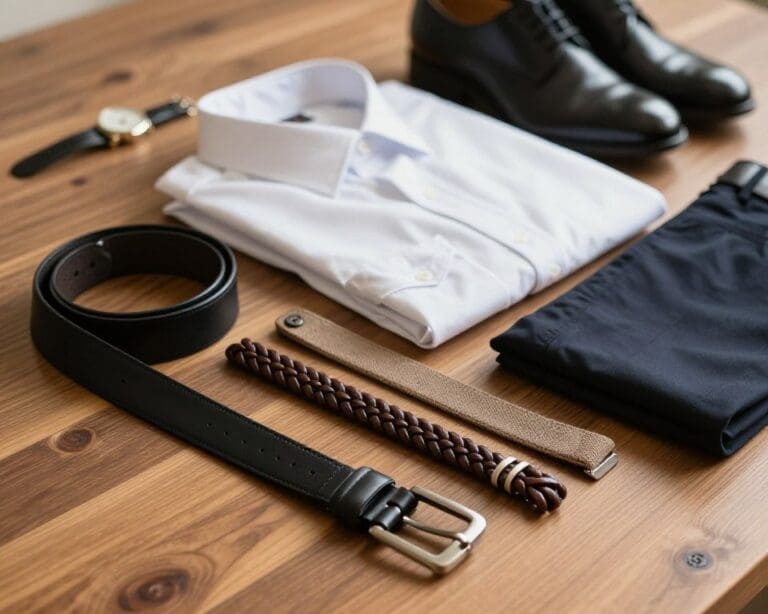
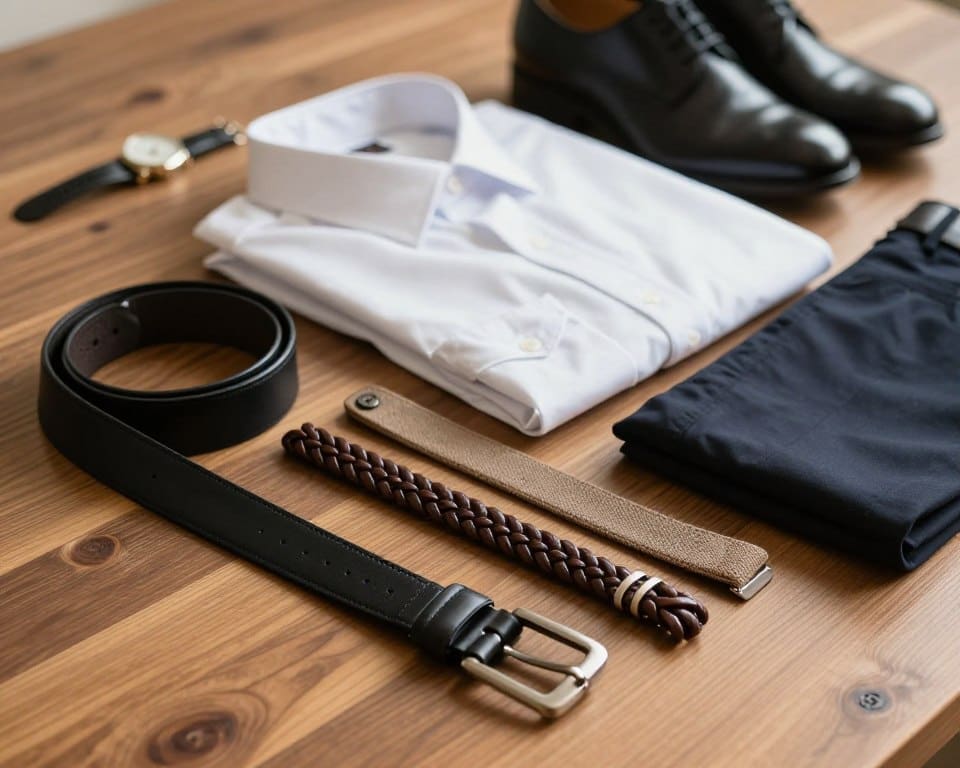
Start by reviewing core pieces: tailored suits, business casual separates, denim and dresses. A capsule edit often needs two or three reliable choices: a slim black leather belt, a mid-brown or tan leather belt and a casual woven or fabric option.
Note your dominant palette. If you wear lots of navy, grey and black, prioritise darker belts. Warm tones such as camel and olive suit tan and cognac. Think of how often you commute or attend formal events when deciding on durability and polish.
British retailers such as John Lewis & Partners and Charles Tyrwhitt supply classic designs, while Burberry and Paul Smith offer distinctive details for elevated looks.
Match belt width to clothing style
Use a simple belt width guide to match belts to trousers. For suit trousers and formal wear choose 25–30mm widths to keep a sleek line. Business casual and chinos work well with 30–35mm belts. Jeans and relaxed trousers suit 35–40mm or wider belts.
Keep proportions in mind. Slim trousers look best with narrower belts. Wider waists or high-rise silhouettes balance with broader belts. Check your trouser loops before buying; many jeans require a wider strap.
Choosing colour and finish for cohesion
Follow classic belt colour matching for polished outfits: black belt with black shoes, dark-brown belt with brown shoes. For casual looks, introduce contrast such as a tan belt with navy chinos to create interest.
Match metal finishes to other accessories. Polished silver suits stainless-steel watches. Brass or gold tones pair with warm-metal jewellery. Select leather textures to suit the occasion: smooth, high-shine for formalwear and matte, pebble-grain or suede for relaxed outfits.
Material considerations: leather, fabric, and alternatives
Decide between leather belt vs fabric belt based on use. Full-grain and top-grain leathers are durable and age well. Suede and patent leathers cover casual and evening needs respectively. Fabric and woven belts made from cotton, canvas or elastic give comfort and casual charm.
Explore sustainable belt materials when you can. Vegan leathers, cork and recycled textiles reduce environmental impact. Check brand transparency and certifications before choosing alternatives.
Inspect hardware and construction. Solid brass buckles last and form a patina. Good stitching, clean edge finishing and a sturdy lining signal quality across belt materials.
Styling rules and inspirational outfit pairings
Belts do more than hold trousers up. They finish a look, define a waist and add personality. Below are practical styling rules and outfit ideas to inspire everyday choices and special occasions.
Casual everyday looks
For relaxed days, pair denim with a wider leather or woven belt around 35–40mm. A tan leather belt with indigo jeans gives timeless contrast. Braided cotton belts suit summer shorts and add texture to simple separates.
Weekend layering works best with canvas or woven belts worn with a tucked polo or linen shirt and loafers or trainers. Choose low-profile buckles for a clean silhouette.
Athleisure benefits from elastic or webbing belts with quick-release buckles. They keep a neat line while matching sporty fabrics.
Workwear and formal ensembles
For tailored suits, pick a slim, smooth leather belt in black or dark brown. Match the belt to polished shoes to respect formality in a city office or formal event.
Business-casual outfits tolerate slightly wider leather or smart suede belts. Pair them with brogues, derbies or leather loafers and ensure the leather tone harmonises with footwear.
When a shirt is tucked, the belt should sit neatly at the waistline. Avoid oversized buckles that compete with clean tailoring.
Evening and statement belts
Reserve ornate hardware and embellished belts for simple silhouettes. Use a belted dress, a high-waist skirt or a cinched blazer to create a refined focal point. Iconic examples such as Gucci’s Horsebit or double-G show how a single belt can elevate an outfit.
Metallic finishes and patent leather suit cocktail looks when paired with monochrome or minimal clothing. If the belt has elaborate detailing, keep jewellery and shoes understated.
Seasonal adjustments and layering
In summer, choose lightweight woven, canvas or braided belts in beige, tan or navy. Thinner styles complement dresses and light trousers and support effortless seasonal belt styling.
Autumn and winter favour thicker leather and suede to add warmth and texture. Wear wide belts over wool coats, chunky knits or long blazers to define shape without bulking the look.
For belt layering tips, ensure the belt sits comfortably over outerwear and does not distort the garment. Wide belts work best to cinch coats and create an hourglass silhouette while keeping proportions balanced.
- Try casual belt outfits with a braided belt and white tee for instant polish.
- Pick belts for workwear that mirror your shoe leather for a cohesive feel.
- Let statement belts eveningwear be the hero by pairing with simple, well-cut pieces.
- Use seasonal belt styling to shift colours and textures with the climate.
Practical fit, care and shopping advice for belts
Finding the right fit starts with measuring what you already wear. For a reliable belt fit guide, measure a favourite belt from the buckle’s base to the hole you use most; that number in centimetres or inches is your belt size. Alternatively, measure your waistband where you wear the belt and add 2–4cm for comfort. In UK retail, many brands list sizes in centimetres, and a common tip is to choose a belt about 5cm larger than your trouser waist so the middle hole sits comfortably in use.
When trying belts, check that the middle hole fastens easily and that there are at least three usable holes for adjustment. Ensure the belt width suits your trousers and that the buckle finish complements dominant accessories like shoes or a watch. Quick try-before-you-buy checks, such as testing the strap with typical trousers and inspecting stitchwork and edge dye, reveal a lot about expected longevity.
Belt maintenance leather care matters for appearance and lifespan. Clean leather with a damp cloth, allow it to dry naturally away from direct heat, and apply a quality conditioner or beeswax-based balm to keep it supple. For suede, use a suede brush and protector spray; fabric belts can often be spot-cleaned and, if the buckle is removable, the strap hand-washed. Hardware deserves attention too: keep buckles dry, wipe them with a soft cloth, and use a gentle brass cleaner for brass finishes if needed.
For buyers in the UK, consider where to shop and when to invest. High-street names such as Marks & Spencer and John Lewis & Partners offer solid everyday choices, while Burberry and Paul Smith cover investment pieces. Online platforms like ASOS and MatchesFashion help you filter by size and material to find the best belts to buy UK shoppers prefer. Aim to own one classic leather belt and a casual alternative, follow simple belt care tips and regular maintenance, and you will extend the life and style of your collection.