
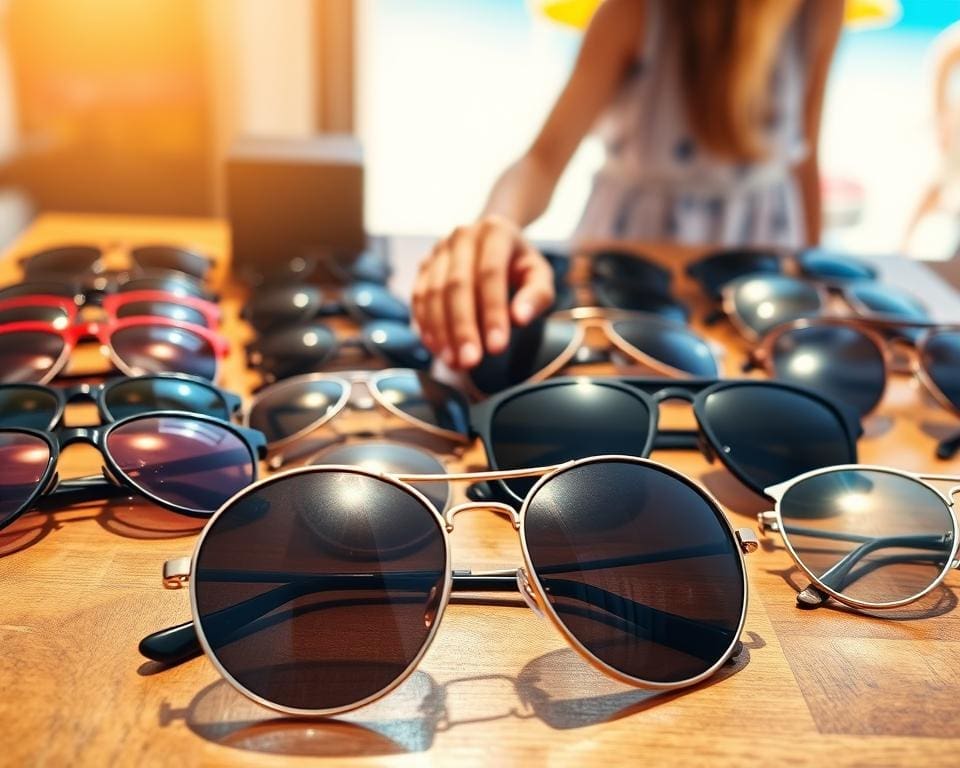
Finding the right pair of shades feels simple, yet it matters more than style alone. The best sunglasses selection protects your eyes from harmful UV rays, reduces glare on bright days and helps prevent long-term damage such as cataracts and photokeratitis. For readers in the United Kingdom, that protection is crucial whether you are driving on a sunny M4 stretch, walking along the coast or planning a summer holiday.
Trustworthy guidance recommends choosing sunglasses that block 100% of UVA and UVB light, often labelled UV400. Bodies such as the Royal National Institute of Blind People and the College of Optometrists advise checking labels and asking opticians about certification. High-street names like Specsavers and Boots Opticians, alongside designer brands such as Ray-Ban, Persol and Oliver Peoples, commonly offer frames meeting these standards.
This article is structured around three pillars: style, protection and comfort. You will get practical sunglasses tips and a clear sunglasses buying guide to help you prioritise each pillar. We will also cover matching frames to face shape and personal taste, and finish with fit, lens options and simple maintenance advice.
Whether you want to choose perfect sunglasses UK shoppers will love or need a concise sunglasses buying guide before your next trip, this opening section sets the scene. Expect actionable advice, balanced brand examples and no single-brand bias as we move through priorities, technical protection details, shape guides and upkeep.
How do you choose the perfect sunglasses?
Choosing sunglasses blends practical needs with personal taste. Start by ranking your sunglasses priorities so you know whether protection, style or comfort leads your decision. Picture real situations — commuting, holidays, sport or long days outdoors — to help decide which features matter most to you.
Define your priorities: style, protection and comfort
First, decide if sunglasses protection vs style is your main concern. For people who drive daily or spend time on water, protection must come first. Look for UV protection sunglasses labelled UV400 to ensure full UVA and UVB coverage. If fashion is the driver, pick frames and colours that flatter your face and fit your wardrobe.
Comfort sunglasses are essential for long wear. Check nose pads, temple grip and overall weight. Heavy, oversized frames give more peripheral coverage but can create pressure around the nose and ears. Prescription sunglasses solve vision and sun protection in one, yet they add cost and complexity.
Consider UV protection ratings and lens technology
Understand UV ratings and standards. UV400 blocks wavelengths up to 400 nanometres, protecting against UVA and UVB. For everyday sunglasses in the UK, category 2–3 lenses suit most situations. Category 4 is for extreme glare and not safe for driving.
Choose lens technology to match use. Polarised lenses cut surface glare, useful for the best sunglasses for driving and water sports. Photochromic lenses adapt to light, though they react slowly behind a car windscreen. Good sunglass lens coatings, such as anti-reflective, mirror, scratch-resistant and oleophobic layers, improve comfort and longevity.
Think about your lifestyle and intended use
Map activities to lens and frame choices. For the best sunglasses for driving, pick polarised or anti-glare lenses, medium coverage frames and grey or brown tints to keep colour true. For beach sunglasses UK buyers should favour UV400, mirrored coatings and large lenses for peripheral protection.
Sports sunglasses need impact-resistant materials such as polycarbonate or Trivex, secure rubberised nose pads and anti-fog treatments. For cycling and running, choose lightweight frames that stay put. For everyday sunglasses, opt for a balance of good lens technology and classic frames for long-term wear.
- Daily commute: category 2–3 tint, anti-reflective coatings, comfortable fit.
- Beach/holiday: polarised lenses, UV400, wide coverage frames.
- Water or snow sports: mirrored, polarised, wrap frames for glare control.
- Fashion events: trend-led frames with verified UV protection.
Factor in health and safety. Photosensitivity, recent eye surgery or medication can change your needs. Children should have polycarbonate lenses for impact resistance. When choosing sunglasses priorities UK shoppers may visit an optician or use virtual try-on tools with caution.
Try frames in store, check optical quality for edge-to-edge clarity and test return policies. For inspiration on matching frames to face shape and finish, see practical guidance at how to choose the right sunglasses for your face. Visualise how a pair will feel and perform in real life to make a choice that protects your eyes while reflecting your style.
Matching sunglasses to face shape and personal style
Finding the right pair begins with a simple method to identify face shape. Pull hair back, stand before a mirror or use a clear selfie. Measure forehead width, cheekbone width and jawline. Note whether your face is longer than it is wide or roughly equal in both directions. A string or ruler on a photo helps with quick comparisons. If uncertain, an optician can give personalised advice.
Identifying your face shape
Oval faces show balanced proportions and a jaw slightly narrower than the temples. Round faces have similar width and length with soft angles. Square faces present a strong jawline, broad forehead and angular features. Heart-shaped faces are wider at the forehead and cheekbones, tapering to a pointed chin. Diamond faces have a narrow forehead and jaw with wide cheekbones.
Best frame styles for common face shapes
Oval face sunglasses suit most silhouettes. Try square, rectangular or aviator options to add angles and structure. For sunglasses for round faces, choose angular, rectangular or cat-eye frames to create definition and a slimming effect. Sunglasses for square faces should soften angles; round or oval frames work well. Heart-shaped faces benefit from bottom-heavy frames or aviators that balance a wider forehead. Diamond faces pair nicely with oval or cat-eye shapes and styles with pronounced browlines.
Pay attention to scale. The best frames for face shape must not be wider than your face and should sit comfortably on the nose and ears. Oversized frames can be flattering if they maintain balance and comfort.
Using colour and finish to enhance your look
Frame colour tips start with neutrals. Black, tortoiseshell and brown offer versatility and timeless appeal. Bold colours such as red or blue and soft pastels make a fashion statement and can complement skin tone and wardrobe.
Choose lens colour with purpose. Grey lenses preserve natural colour and reduce glare for driving. Brown or amber tints boost contrast for variable light. Green tones balance colour and contrast. Yellow or amber help in low light but are not suited to bright conditions. Think about lens colour effects when picking pairs for sport, driving or style.
Consider finishes. Glossy frames feel dressy and contemporary. Matte finishes read as modern and understated. Mirrored lenses add a fashion-forward touch and extra visible-light reduction.
Balancing trends with timeless choices
Keep at least one classic pair for longevity. Ray-Ban Aviator and Wayfarer remain iconic. Persol and Oliver Peoples deliver refined, timeless aesthetics. Oakley and Smith excel for technical sport styles. A higher initial spend on a durable, iconic pair often lowers cost-per-wear over time.
Embrace sunglasses trends in small doses. Swap lens tint, finish or temple detail each season rather than changing frame shape. Have one neutral pair and one expressive pair to match occasions and outfits. Choose lightweight materials like titanium or aluminium for all-day comfort and look for flexible hinges or spring temples for a better fit.
Follow sunglass colour advice that coordinates frame colour with hair, skin undertone and wardrobe. This approach helps maintain a coherent collection of fashionable sunglasses UK shoppers will enjoy for years.
Practical considerations: fit, lens options and maintenance
A proper sunglasses fit guide starts with how the frames sit. Lenses should align with your pupils for clear sight. Frames must rest comfortably on the nose without pinching and the temples should hug behind the ears without pressure. They should not slide down when you move your head; if they do, an adjustment at Specsavers, Boots Opticians or an independent optician can help.
Prescription considerations matter. You can choose single‑vision, bifocal or progressive sunglass lenses, and many UK opticians will fit bespoke lenses. Polarised lenses cut glare for driving and water sports, while non‑polarised tints may suit everyday wear; some prescription lens types are harder to polarise, so discuss sunglass lens options with your optician before ordering.
Choose lens material to match use. Glass gives excellent clarity and scratch resistance but is heavier and can shatter. Polycarbonate is light and impact‑resistant for sport and children. Trivex offers similar impact protection with slightly better optics. High‑index plastics reduce thickness for stronger prescriptions. Consider coatings and their longevity when you compare options.
To maintain sunglasses, clean with a microfibre cloth and lens cleaner or mild soapy water, and avoid paper towels or clothing which can scratch. Store shades in a rigid case and seek frames with replaceable nose pads or spring hinges for easier repairs. Check warranties and optical certifications, note return policies when buying online, and schedule an eye test if you are unsure. Blend these practical essentials with personal style so your sunglasses protect your eyes, suit your life and lift your look.