Building a timeless wardrobe matters because it gives you calm and confidence every morning. A well-chosen collection of clothes reduces decision fatigue and stretches your budget through better cost‑per‑wear. For many in the United Kingdom, classic wardrobe building is as much about sustainability as style: buying fewer, better pieces cuts waste and supports long-term value.
By timeless wardrobe UK I mean garments and accessories that stay elegant over seasons and years. This approach favours clean lines, harmonious colours and quality materials so pieces mix and match effortlessly. The result is a capsule wardrobe guide that helps you move from chaotic shopping to a considered, cohesive closet.
There are practical benefits too. Enduring style tips include choosing items that transition from day to night and investing in tailoring to improve fit. Brands such as Burberry for outerwear, Marks & Spencer for accessible tailoring, John Smedley for knitwear and Tricker’s for sturdy shoes show how British heritage supports classic choices. Savile Row principles on cut and proportion also inform smart selection.
This article explains how do you build a timeless wardrobe? and will walk you through defining timeless versus trend-led fashion, identifying personal anchors, and setting capsule goals. You will then read about essential pieces, smart shopping and care routines, and how to evolve your closet while keeping its core intact.
For further reading on key pieces and practical examples, see this capsule wardrobe guide at how to create a timeless wardrobe.
How do you build a timeless wardrobe?
Start with a clear distinction between timeless style and fast-moving fashion trends. Timeless style favours clean lines, neutral palettes and classic silhouettes such as a trench coat, tailored blazer or straight trousers. These pieces focus on proportion and craftsmanship and support clothing longevity.
Trend-led fashion follows seasonal catwalks and high-street cycles. It often features bold colours, novelty cuts and logos that date quickly. Use trends sparingly to refresh a reliable base rather than letting them dominate your wardrobe.
Define timeless style versus trend-led fashion
Compare items side by side to see the difference. A Burberry trench shows enduring design and material quality. A novelty coat from a fast-fashion retailer may feel exciting one season and tired the next. Choose fabrics such as wool, cotton, linen and silk for durability and timeless appeal.
Identify your personal style anchors and lifestyle needs
Begin a wardrobe audit UK by listing what you wear most and noting pieces that stay unworn. Track daily activities like work, childcare and social life to determine function.
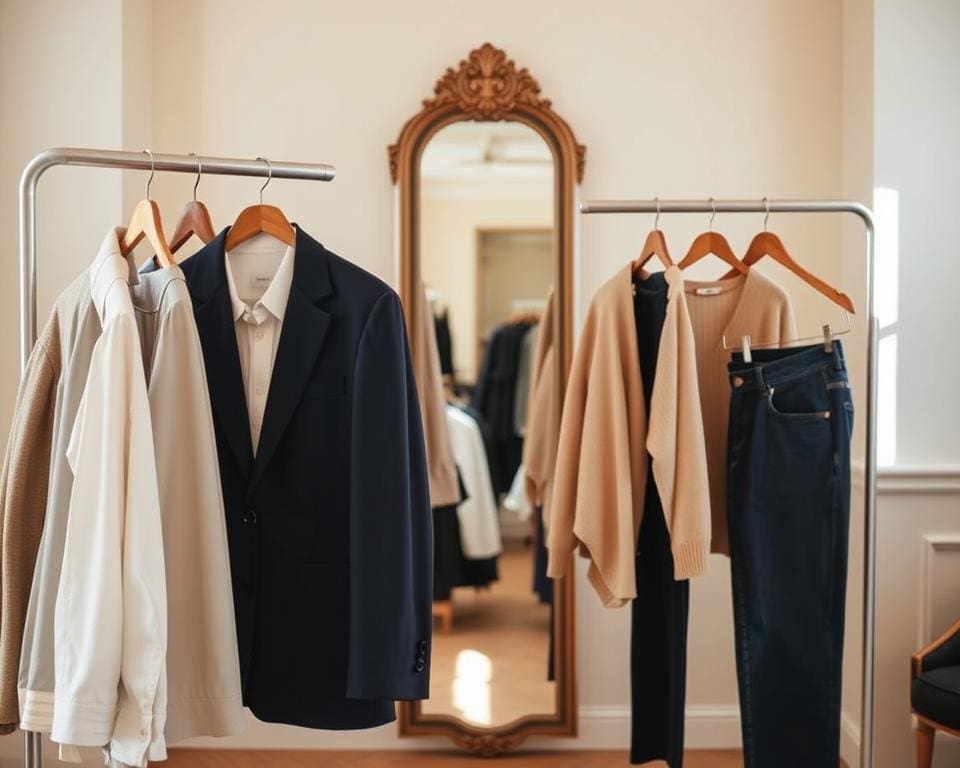
- Select 3–5 personal style anchors that handle most days: a tailored blazer, white shirt, dark trousers, classic coat and leather shoes are common choices.
- Factor in UK weather with waterproof outerwear, breathable layers and durable footwear for wet streets.
- Collect outfit images from Pinterest, editorials and street style to map recurring shapes, colours and combinations. This reveals your style DNA.
Set realistic goals for capsule pieces and wardrobe gaps
Decide on clear capsule wardrobe goals. Popular methods include a 30–40 piece seasonal wardrobe or a compact 10–15 item capsule that rotates.
Prioritise gaps by frequency of wear and cost-per-wear. Invest first in items you will use weekly, such as a well-cut blazer or everyday shoes. Plan purchases over 6–12 months to avoid impulse buys.
- List immediate gaps and rank them by how often you will wear each piece.
- Set a budget and timeline for investment pieces, considering pre-owned or outlet options for better value.
- Choose items with resale potential—classic loafers, trench coats and cashmere jumpers—to support sustainability and recoup costs later.
Following a practical wardrobe audit UK and defining personal style anchors helps align your capsule wardrobe goals with everyday life. This approach promotes clothing longevity and a more confident, coherent wardrobe.
Essential wardrobe pieces for enduring style
Build a wardrobe that works season after season by focusing on a small number of versatile, well-made items. Quality over quantity lets you dress with ease each morning. The following picks form the backbone of a timeless collection and make getting ready quicker and more confident.
Classic outerwear: coats and jackets that never date
Start with a single-breasted trench in waterproof gabardine or treated cotton. A trench protects against showers and sharpens casual or smart outfits. Add a navy or camel wool coat in a mid or knee length for colder months.
A tailored blazer in navy or charcoal brings instant polish. For weekends, include a Harrington or denim jacket to keep looks relaxed. Choose lined interiors, reliable YKK zips or metal buttons and thoughtful collars for weather resistance and longer wear.
Look to heritage labels such as Burberry, Aquascutum and Mackintosh for examples of excellent construction. Ensure shoulders sit correctly and sleeve length allows cuff visibility. A modest tailoring adjustment can transform fit.
Foundational knitwear and shirts for year-round wear
Pick medium-weight merino and cashmere jumpers in navy, oatmeal and charcoal to layer under coats and blazers. Brands like John Smedley and Pringle of Scotland show how knitwear lasts when made well.
Invest in classic shirts in white and light blue, using poplin or twill. Add an Oxford cloth button-down for casual days. Seek good collar structure and reinforced seams so shirts keep their shape after many wears.
Layer lightweight knitwear beneath blazers and shirts beneath jumpers. Breathable base layers help with the shifting temperatures common across the UK.
Shoes and accessories that elevate simple outfits
Choose durable leather brogues, Derby or Oxford shoes in brown and black for smart dressing. Chelsea boots perform well in wet weather and white leather trainers work for relaxed looks. Brands such as Church’s, Tricker’s and Loake make resolable footwear that lasts.
Coordinate a leather belt with shoe tones and add a silk or wool scarf in a subtle pattern to lift plain outfits. A classic watch and a quality leather bag — tote, briefcase or crossbody — finish a considered look.
Small details matter: polished shoes, matching metal finishes on buckles and watch cases, and good socks in merino or fine cotton make everyday combinations appear intentional and refined.
Smart shopping and garment care for longevity
Investing in pieces that last begins with thoughtful choices and steady routines. Use smart shopping tips when you buy so each item earns its place in your wardrobe. Quality often means natural fibres and careful construction; a clear fabric quality guide helps you pick garments that keep their shape and colour.
Choosing quality fabrics and construction over fast fashion
Look for long-staple wool, cotton and silk. These fibres resist pilling and hold dye better. For knitwear seek higher gauge counts and tight stitches. Outerwear benefits from treated cotton or technical membranes such as Gore-Tex variants for breathability and weather protection.
Inspect details: lined jackets, reinforced seams and hand-stitched finishes signal care. Full canvas construction in blazers yields better drape. Avoid garments with loose threads or puckered seams; they are early warning signs of poor manufacture.
How to assess fit, tailoring and investment pieces
Fit matters most. Check shoulder alignment, sleeve length, waist drape and trouser break. A well-fitted jacket looks more expensive than an ill-cut designer piece. Use tailoring advice UK standards when in doubt — small alterations transform off-the-rack items into favourites.
Decide where to spend by cost-per-wear. Invest in coats, leather shoes, quality knitwear and a structured blazer that you will wear often. Savile Row principles of balanced proportion and structured shoulders can guide choices across budgets.
Care routines: washing, storage and repair to extend lifespan
Follow care labels and wash less. Air garments between wears to reduce laundering. Use gentle cycles or hand wash for delicates and detergents designed for wool and silk. Spot clean and steam to freshen without solvents.
Store clothing wisely. Fold jumpers to avoid stretching. Use breathable bags for seasonal items and cedar or lavender to deter moths. Place shoe trees in leather footwear to hold shape and prevent creasing.
Find a reliable tailor and cobbler for mending and resoling. Prompt repairs stop small faults from growing into irreparable damage. With these garment care tips you will noticeably extend clothing lifespan and enjoy a smarter, more sustainable wardrobe.
Building outfits and evolving a timeless wardrobe
Start outfit-building with a neutral base: navy trousers, a white shirt and a camel coat form a reliable core. Add one accent piece, such as a patterned scarf or a coloured shoe, to personalise looks without overwhelming the outfit. These outfit-building tips make dressing simpler and keep style longevity at the centre of choices.
Layer with purpose to cope with changing British weather. A shirt, fine knit, blazer and coat offer texture and adaptability while mixing classics and trends keeps silhouettes fresh. Combine structured tailoring with softer knits, or slim trousers with slightly oversized outerwear, to balance proportions and feel current without chasing every fad.
Create compact capsules for different needs: a weekday capsule might include a navy blazer, white shirt, grey trousers, black Oxfords and a wool coat; a weekend capsule could feature denim, a Breton top, trainers and a Harrington jacket. Rotate items in a disciplined capsule rotation and use simple photos or a wear log to see which pieces deliver value.
Approach wardrobe evolution as gradual curation. Conduct seasonal refreshes based on what you actually wear, integrate one or two trend pieces thoughtfully so they work with established anchors, and consider cost-per-wear before buying. Follow British GQ, Vogue UK and heritage brand newsletters for inspiration, and explore pre-owned markets like Vestiaire Collective to support sustainable growth and lasting style.