
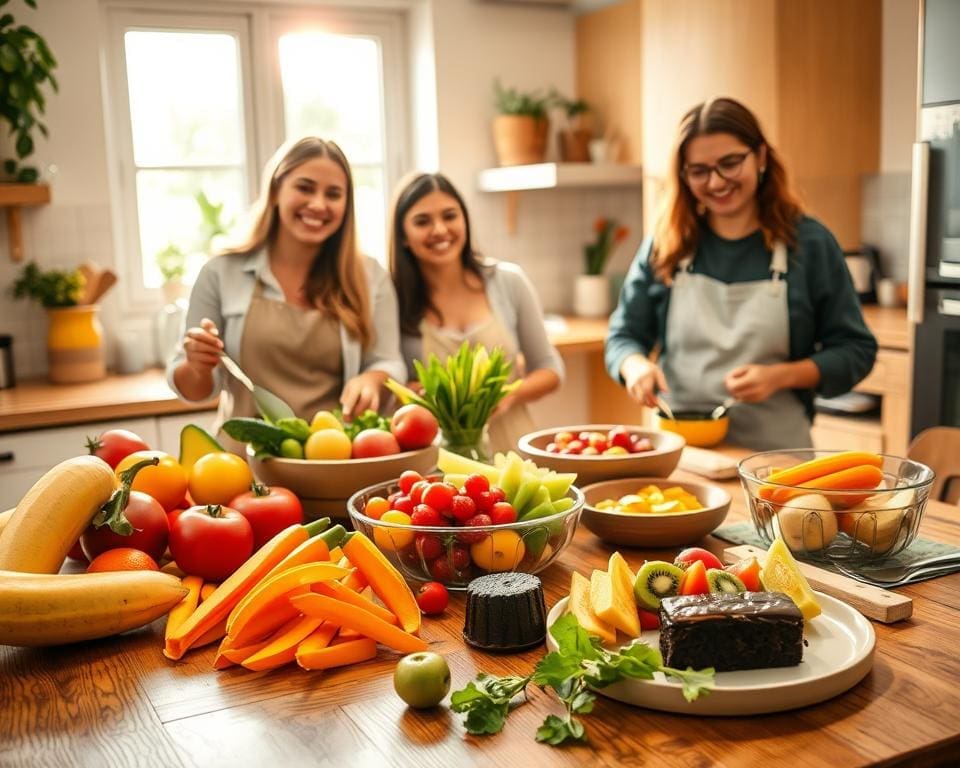
Finding the sweet spot between pleasure and nutrition is the question at the heart of this guide. This article is written for readers across the UK who want practical ways to enjoy food and stay healthy without rigid rules or fad diets.
We will explore how to balance enjoyment and healthy eating through a mix of mindset shifts, simple strategies and honest product reviews. Expect assessments of snacks, low‑sugar alternatives and kitchen gadgets that help you keep flavour while supporting wellbeing and diet.
The approach suits busy professionals, parents and food lovers who prefer sustainable eating habits over short‑term fixes. The tone is inspirational and practical, aiming to show that choice and pleasure can coexist with good nutrition in everyday life.
What follows: understanding the balance between pleasure and nutrition; how lifestyle is a personal choice; practical tips to combine taste and health; a review of helpful products; mindful eating techniques; adapting social occasions and dining out; and setting realistic goals. Each section builds on the last to create a clear path to healthier, more enjoyable eating.
Later in the article you will find calls to action, product comparisons and checklists designed to guide trial and purchase decisions, all aligned with healthy eating UK realities and long‑term wellbeing and diet outcomes.
Understanding the balance between pleasure and nutrition
Finding a steady middle path between tasty meals and nourishing choices helps people stick with healthy patterns. Public-health guidance from NHS England stresses balance, variety and realistic eating. When favourite flavours are part of a plan, adherence rises and sustainable healthy eating feels achievable rather than restrictive.
Why enjoyment matters for sustainable healthy eating
Research shows that enjoyment improves the chance of long-term change. Diets that punish taste lead to short-term wins and later relapse. Eating for pleasure and health reduces the drift back to old habits by making meals emotionally rewarding.
Psychological benefits of allowing treats
Small, planned treats cut feelings of deprivation. Behavioural psychology finds that reward elements boost motivation for new routines. The benefits of treats include lowering the risk of binge episodes and strengthening positive associations with food.
How pleasure-driven choices support long-term habits
Pleasure anchors routines through sensory satisfaction, social reinforcement and repeated practice. Choosing flavourful, nutrient-dense options such as grilled salmon with a herby dressing or roasted vegetables with spices proves that rewarding meals need not be calorie-laden.
Practical steps help transfer these ideas into daily life. Plan a favourite dish within a healthier framework, make treats intentional rather than spontaneous, and use behaviour change food strategies to replace all-or-nothing thinking with steady progress.
What makes lifestyle a personal choice?
Lifestyle reflects a mix of values, habits and circumstances. It answers the question: what makes lifestyle a personal choice? People shape their days around goals, tastes and practical limits. That blend guides both what they eat and how they live.
Individual values and priorities
Personal values steer choices. Someone focused on athletic performance may favour Greek yoghurt, Quorn or Tesco chilled chicken breast products for higher protein. A person worried about sustainability will pick more plant-based meals and brands with clear sourcing. Taste preferences and ethical beliefs form the backbone of individual lifestyle choices.
Cultural, social and regional influences in the UK
British regional dishes, immigrant traditions and social rituals shape eating patterns. Sunday roast, pub culture and afternoon tea remain familiar anchors. Cities such as London and Manchester offer food diversity that affects decisions, while rural communities rely on local suppliers and supermarkets like Waitrose, Sainsbury’s, Aldi and Marks & Spencer for staples. These forces create varied cultural food habits UK across the country.
Practical constraints: time, budget and access
Work hours, commuting and childcare limit time for cooking. Food access and budget influence what ends up on the plate. Seasonal produce and supermarket own-brand ranges, for example Aldi’s Specially Selected range or Tesco’s own-brand, make healthier options more affordable. Where local shops are scarce, online services such as Ocado and supermarket delivery slots help bridge gaps.
To craft a real plan, list non-negotiables like taste or ethics, then decide negotiables such as meal timing or ingredient swaps. That approach ties personal values and diet to everyday decisions and turns broad ideas into practical individual lifestyle choices.
Practical strategies to combine taste and health
Finding ways to enjoy meals that feel indulgent and nutritious is simple with a few smart swaps and planning habits. Small changes keep flavour high while cutting unwanted fat, sugar and salt. Use the ideas below to enjoy healthy food without losing the pleasure of a good meal.
Swapping ingredients without losing flavour
Choose tested healthy ingredient swaps that preserve taste. Spread mashed avocado or reduced‑fat crème fraîche instead of butter on toast. Replace full‑fat cream with single cream or thick Greek yoghurt in sauces and dressings. Use vegetable purées such as Biona butternut squash or cauliflower purée to give body to soups in place of cream. Swap refined sugar in baking for mashed banana, applesauce or natural sweeteners. Pick wholegrain pasta or pulses for added fibre and texture. For tinned fish, opt for John West tuna in spring water rather than oil to cut calories while keeping protein.
Boost flavour with herbs, spices and umami. Fresh parsley, dill and lemon zest lift simple dishes. Try smoked paprika, mustard seeds and mushrooms for depth. A splash of soy sauce or a scatter of nutritional yeast adds savoury notes while keeping salt and fat low. Look for Alpro unsweetened alternatives where plant‑based swaps help reduce dairy without blandness.
Portion control techniques that still feel indulgent
Use visual plate rules to make portions satisfying. Fill half the plate with vegetables, a quarter with lean protein and a quarter with carbohydrates. Smaller plates make portions look generous. Pre‑portion snacks into little boxes or pots to avoid nibbling straight from larger packets.
Reframe indulgence by choosing quality over quantity. Offer a small ramekin of a rich sauce, or serve a single square of high‑quality dark chocolate after a meal. These touches help you enjoy healthy food while keeping totals in check. Portion control tips like these let you savour each mouthful without guilt.
Meal planning for variety and enjoyment
Design a weekly plan that keeps meals varied and fun. Use theme nights such as Meat‑free Monday and Fish Friday to reduce decision fatigue. Batch‑cook staples — grains, roasted vegetables and lean proteins — then mix and match components for different meals.
Create shopping lists focused on seasonal produce and store‑brand staples to control costs. Use BBC Good Food, Jamie Oliver recipes or Tesco Real Food for inspiration and simple recipes tailored to meal planning UK. Try quick methods like stir‑fries, tray bakes and pressure cooking to save time. Freeze portions for busy nights and turn leftovers into salads, wraps or soups so nothing goes to waste.
- Quick tip: Batch roast a tray of vegetables and use them across lunches and dinners that week.
- Quick tip: Keep a marked box in the freezer labelled ‘meal components’ for fast assembly.
Review of popular products that support balance
This product review healthy food section uses clear criteria: taste, nutritional profile, price, UK availability and how well each item helps keep eating pleasurable. Tests focused on recognisable brands found nationally in Tesco, Sainsbury’s, Waitrose, Asda and online retailers.
Low-sugar alternatives
Alpro No Sugars yoghurts deliver a smooth, milky texture with restrained sweetness that works well for breakfast bowls and baking. Meridian natural nut butters contain no added sugar and give rich mouthfeel for toast or porridge. Fentimans and Fever-Tree low-sugar mixers keep botanical flavour in drinks without the extra sugar spike.
For low-sugar desserts, Müllerlight yoghurts offer portion control and light sweetness while Skylls bars provide a crunchy, lower-sugar snack. Dark chocolate at 70% or higher can be an artisan-tasting option that satisfies a sweet tooth with less sugar. Use each product where its texture and flavour best match the dish.
High-protein snacks that satisfy cravings
The Protein Works bars score highly for protein per serving and come in bold flavours that feel indulgent after a workout. Graze’s high-protein snack boxes are handy for midday hunger, with varied textures and clear labelling on sugar and salt. Princes tuna pouches are a simple, low-prep protein boost suitable for sandwiches or salads.
Skyr and Greek-style yoghurts from M&S or Sainsbury’s are creamy, high-protein choices for breakfast or an evening treat. Plant-based Alpro Protein and Quorn meat-free bites offer solid protein while keeping options varied for flexitarian diets. Choose ready-to-eat bars after exercise, yoghurts for breakfast, and pouches for quick lunches.
Kitchen gadgets for healthy cooking
Air fryers from Philips and Tower crisp food with far less oil, recreating fried textures that many people enjoy. Compact models fit small counters and clean-up is usually simple. Crock-Pot slow cookers and Instant Pot multi-cookers suit batch cooking of stews, pulses and curries that taste rich without added fat.
Spiraliser models from Morphy Richards and high-speed NutriBullet blenders make veg-led dishes more appealing by turning vegetables into noodles or silky purées. Criteria that mattered were ease of cleaning, counter footprint and price.
Shortlists by budget: budget buys at Argos and supermarkets, mid-range picks from John Lewis and Currys, premium models online via Amazon UK and direct from manufacturers. Each gadget can make healthy cooking more enjoyable and sustainable.
- Methodology: taste, nutrition, price, UK availability, suitability for lasting, pleasurable habits.
- Where to buy: Argos, John Lewis, Amazon UK and major supermarkets across the UK.
- Helpful pairing tips: match low-sugar alternatives with fresh fruit; pair high-protein snacks with fibre-rich sides; use gadgets to recreate favourite dishes more healthily.
Mindful eating and its role in enjoyment
Mindful eating asks us to pay full attention to the moment. Focus on flavours, textures and the body’s hunger and fullness signals. This practice can make meals more satisfying and help reduce overeating without strict rules.
Try simple savour food techniques to slow the pace. Put cutlery down between bites and breathe. Notice the aroma, colour and texture before the first mouthful. These small shifts build taste perception mindfulness and boost enjoyment.
Techniques to savour food and reduce overeating
- Slow bites and put-down method: take smaller, slower mouthfuls and set utensils aside between chews.
- Five senses exercise: list what you see, smell, touch, hear and taste to deepen satisfaction.
- Hunger and fullness check-ins: rate hunger before and after eating to avoid automatic top-ups.
How mindfulness changes taste perception
When you eat slowly, subtle flavours emerge. Foods like roasted vegetables and wholegrains often reveal more depth over time. Regular practice reduces reliance on very sweet or salty foods and increases pleasure from simpler ingredients.
Simple practices to adopt in everyday meals
- One mindful meal a day: choose one meal to eat without screens and with full attention.
- Gratitude pauses: take a moment to appreciate the food’s origin or the person who prepared it.
- Use available tools: try UK-based apps such as Headspace or Calm and NHS resources for guided mindful eating sessions.
- Pair mindful meal tips with product choices: savour a small piece of premium dark chocolate or a protein yoghurt slowly to increase satisfaction and control portions.
Adopting mindful eating UK practices offers realistic ways to enjoy food and reduce overeating. These mindful meal tips help you reconnect with taste and find lasting pleasure in balanced choices.
Adapting dining out and social occasions
Eating with friends or family should feel joyful, not stressful. With a few simple approaches you can enjoy restaurant meals and pub visits while keeping your routine on track. Many UK venues list menus online, which makes planning choices easier and boosts confidence when dining out healthy UK.
Choosing satisfying options at restaurants and pubs
Look for grilled, steamed or roasted dishes and ask for sauces on the side. Swap chips for a mixed salad or seasonal veg and choose wholegrain breads where offered. Classic pub meals like fish and chips or pie and mash can be adapted: request grilled fish, a smaller portion or extra vegetables to make eating at pubs healthy options more realistic and tasty.
Navigating celebrations without feeling deprived
Attend events with a small, filling snack beforehand to avoid arriving over-hungry. Pick one treat deliberately, such as a slice of cake enjoyed slowly, and step away from constant grazing by focusing on conversation and music. These simple moves help you navigate celebrations food while staying present and satisfied.
Communicating preferences with hosts and friends
Politeness works well in the UK. Offer to bring a dish that complements the main course and phrase requests positively: “I’d love to bring a salad that complements the main course.” Share your needs clearly and kindly so hosts feel included rather than inconvenienced. When eating out, don’t hesitate to communicate dietary preferences to staff; many restaurants now label vegan, vegetarian and gluten-free dishes and handle allergy requests readily.
Try sharing plates to sample several flavours without excess. Ask servers about portion sizes and consider starters as mains for lighter dining. Use these social eating tips UK to maintain balance while savouring company and great food.
Setting realistic goals and measuring progress
Start with realistic health goals UK readers can stick to. Pick values-driven aims that reflect your life—family meals, budget, or work hours—so changes feel personal and lasting. Framing goals around small actions ties into the idea that lifestyle is a personal choice and boosts the chance of long-term success.
Use SMART goals diet examples to make plans concrete: “Add one extra portion of veg to five dinners per week for one month” or “Prep two lunches every Sunday for three weeks.” Focus on behavioural goals rather than only outcomes. Actions such as meal prepping twice weekly or choosing wholegrain bread create repeatable habits that lead to sustainable eating goals.
To measure progress healthy eating, keep it simple. Track healthy habits with a food diary, habit-tracking apps like MyFitnessPal or NHS Better Health, or weekly photo logs of meals to spot improvements in variety and portion control. Look for non-scale victories—more energy, better sleep, improved mood, clothes fitting more comfortably, and greater cooking confidence—and celebrate those small wins.
Review and adapt every four to six weeks. If a tactic reduces pleasure, be flexible: swap ingredients, shift meal times, or try products mentioned earlier in this article. Try one recommended product, adopt one mindful-eating practice this week, and set one small SMART goal to begin. This steady, iterative approach helps you track progress healthy eating while keeping taste and enjoyment at the heart of sustainable eating goals.