Sustainable materials are becoming increasingly essential for homeowners who strive to enhance their living environments while being mindful of the planet. By choosing eco-friendly options, you’re not only promoting environmental benefits but also enriching your home with quality and character. The integration of sustainable materials can significantly improve your home’s energy efficiency, ensuring that your space is both beautiful and functional.
This article will delve into the transformative power of sustainable materials in home improvement. From enhancing aesthetics to creating healthier living spaces, these environmentally-conscious choices allow you to embrace a greener lifestyle without sacrificing style. For further inspiration on creating an uplifting environment, discover how simple changes can boost your energy and well-being here.
The Benefits of Using Sustainable Materials
The incorporation of sustainable materials in home design offers numerous advantages that extend beyond mere aesthetics. By choosing natural products, homeowners enhance their living spaces while embracing eco-friendly design principles that contribute to overall well-being.
Enhancing Aesthetics with Natural Products
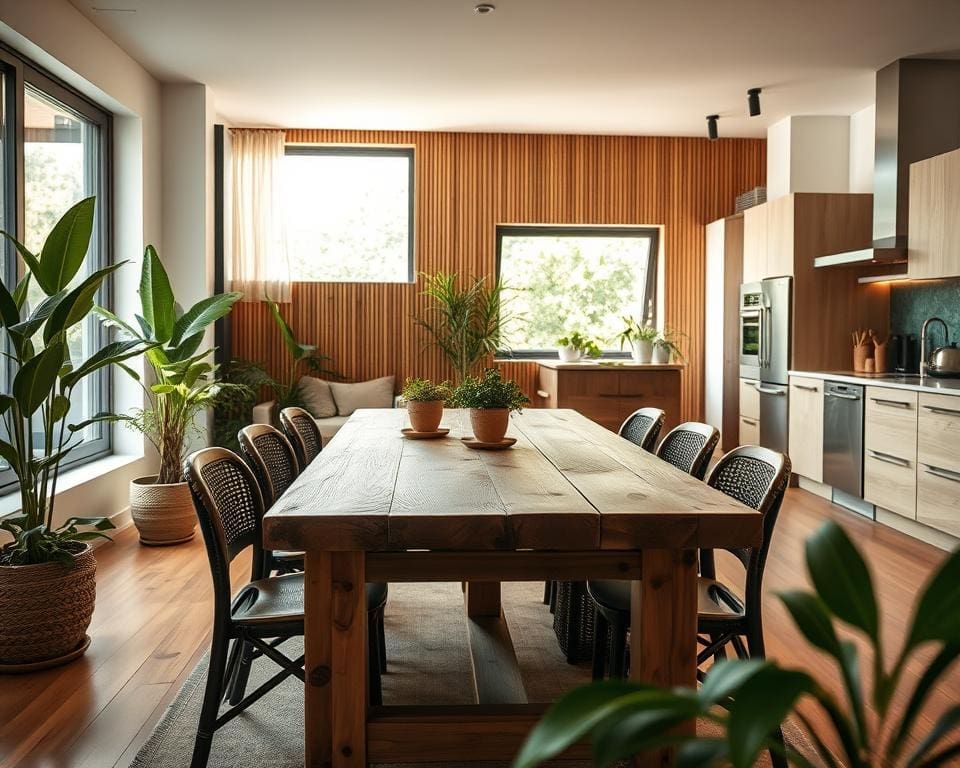
Natural products such as wood, bamboo, and cork possess a unique charm that enriches any interior or exterior setting. Their textures and colours bring warmth and an inviting atmosphere, appealing to those seeking comfort in their spaces. The benefits of sustainable materials include not only visual appeal but also the promotion of relaxation and mental wellness. For instance, responsibly sourced materials like reclaimed wood can serve as beautiful yet functional elements within a home. Discover more about using wood to cultivate warmth here.
Improving Energy Efficiency
The environmental impact of building materials requires careful consideration. Sustainable options often possess superior insulation properties, contributing to energy efficiency. By reducing heat loss during winter and keeping interiors cooler in summer, these materials help lower energy costs. This aspect not only supports a sustainable lifestyle but also resonates with the broader movement towards eco-friendly design. In the long run, investing in natural products can lead to significant savings while providing a stylish and sustainable living space.
How do sustainable materials improve your home?
Sustainable materials significantly enhance both the functionality and comfort of your living space. By choosing these eco-friendly options, homeowners make strides in preserving the planet while creating a more inviting atmosphere in their homes.
Reducing Environmental Impact
Utilising sustainable materials is essential for those looking to reduce environmental impact. Traditional building materials often stem from processes that lead to deforestation, water contamination, and excessive greenhouse gas emissions. In contrast, sustainable resources like bamboo and reclaimed wood mitigate these issues by being sourced responsibly. Such materials not only help combat climate change but also contribute to a sustainable home that promotes a better future.
Promoting Healthier Living Environments
Using sustainable materials is integral to promoting healthier living environments. Many conventional materials contain harmful chemicals that compromise indoor air quality. Sustainable options, however, often come without these toxic substances, making your home a safer place for all. By incorporating these materials, homeowners can create spaces that foster wellbeing and vitality, reinforcing the idea of a truly sustainable home.
Types of Sustainable Materials for Your Home
Homeowners can explore a wealth of types of sustainable materials to create stylish and environmentally-friendly spaces. Each option offers unique aesthetics and functional benefits to enhance any interior design.
Bamboo and Reclaimed Wood
Bamboo stands out among sustainable materials due to its rapid growth and durability. This versatile material works beautifully in flooring, furniture, and cabinetry. Bamboo adds a touch of natural elegance, making it an ideal choice for modern homes. Reclaimed wood, sourced from old buildings and furniture, brings character and history to spaces. Its rich textures not only contribute to environmental preservation but also allow homeowners to express their individuality.
Recycled Metal and Glass
Recycled metal introduces an industrial charm and robustness while supporting eco-friendly practices. Its application ranges from structural elements to artistic installations, providing a unique aesthetic. Recycled glass, on the other hand, finds its place in countertops and decorative accents. This vibrant material enhances kitchen designs with its striking visual appeal. Embracing these types of sustainable materials can transform your home, creating a sanctuary that reflects both style and conscience. For more inspiration on sustainable choices in your kitchen, visit modern kitchen design ideas.
Sustainable Practices in Home Construction
The integration of sustainable practices in home construction represents a significant shift towards eco-conscious living. Homeowners increasingly seek solutions that not only reduce the environmental impact but also enhance the functionality and aesthetic of their homes. Implementing eco-friendly building techniques promotes a responsible approach to construction that benefits both the environment and the occupants.
Eco-friendly Building Techniques
Adopting eco-friendly building techniques can transform a conventional home into a sustainable haven. Some effective methods include:
- Utilising passive solar design to optimise natural light and heat
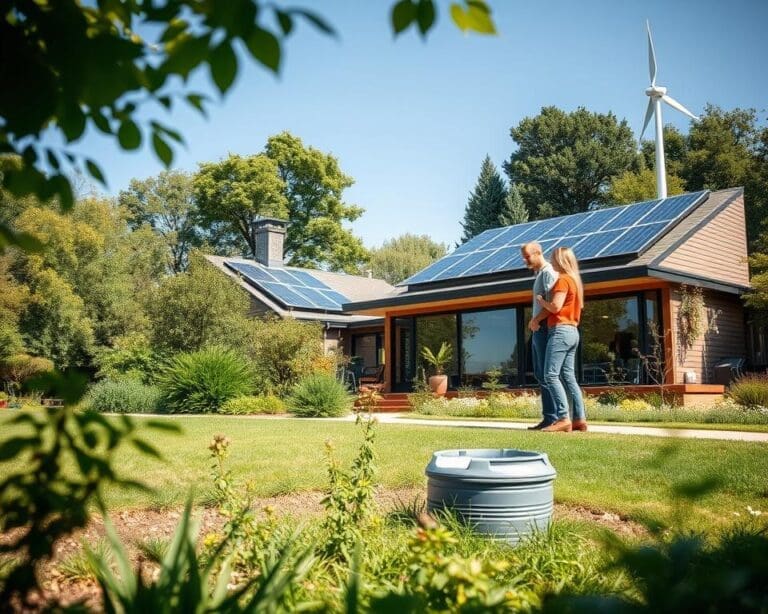
- Implementing rainwater harvesting systems for efficient water use
- Incorporating green roofs and walls to improve insulation and air quality
- Employing sustainable materials that enhance the longevity of the structure
Importance of Sustainable Design Philosophy
A strong sustainable design philosophy guides homeowners in their building practices. This approach emphasises:
- Maximising energy efficiency while reducing resource consumption
- Creating spaces that promote well-being and comfort
- Ensuring that design choices are both functional and aesthetically pleasing
- Fostering a connection between the built environment and nature
Cost Considerations of Sustainable Materials
When exploring the cost of sustainable materials, understanding the balance between initial investment and long-term savings becomes essential. Sustainable choices may carry a higher upfront expense, but they often present significant financial benefits over time. A well-informed property investment can enhance both comfort and efficiency in your home.
Initial Investment vs. Long-term Savings
Investing in sustainable materials, such as superior insulation and energy-efficient fixtures, may require a larger initial outlay. Yet, these enhancements frequently lead to substantial reductions in energy bills. Homeowners can experience long-term savings that soften the blow of these upfront costs. Energy-efficient homes can reduce energy bills significantly, allowing for a return on investment that exceeds expectations.
Value Addition to Your Property
Utilising sustainable materials contributes to the value addition of your property. Homes that incorporate eco-friendly products often attract buyers seeking energy efficiency and quality construction. Sustainable features not only elevate a property’s appeal but may also result in higher market value. A commitment to sustainability signifies a modern approach to homeownership, appealing to eco-conscious buyers.
Incorporating Sustainable Materials into Your Home Renovation
Embarking on a home renovation journey offers a unique opportunity to embrace eco-friendly renovations that enhance both the aesthetics and functionality of your living space. By incorporating sustainable materials, you can create a home that reflects your values while promoting responsible consumption. Start by identifying key areas such as your flooring options, countertops, and insulation, where sustainable upgrades can make a significant difference.
Researching suppliers who specialise in ethical building materials can yield excellent resources for your project. Look for options like bamboo flooring or reclaimed wood, which not only add character to your home but also minimise environmental impact. Many suppliers today offer a variety of locally sourced finishes that align with your sustainable goals, ensuring that your home reflects a commitment to responsible living.
Additionally, consider the advantages of integrating features like natural stone backsplashes or glass mosaics that enhance visual appeal while providing a durable and sustainable choice for your renovation. Rich in style and reducing indoor air pollutants, these materials showcase the benefits of incorporating sustainable materials into your design. By being mindful in your selections, your home renovation can significantly contribute to a healthier environment and a more enriching lifestyle.