
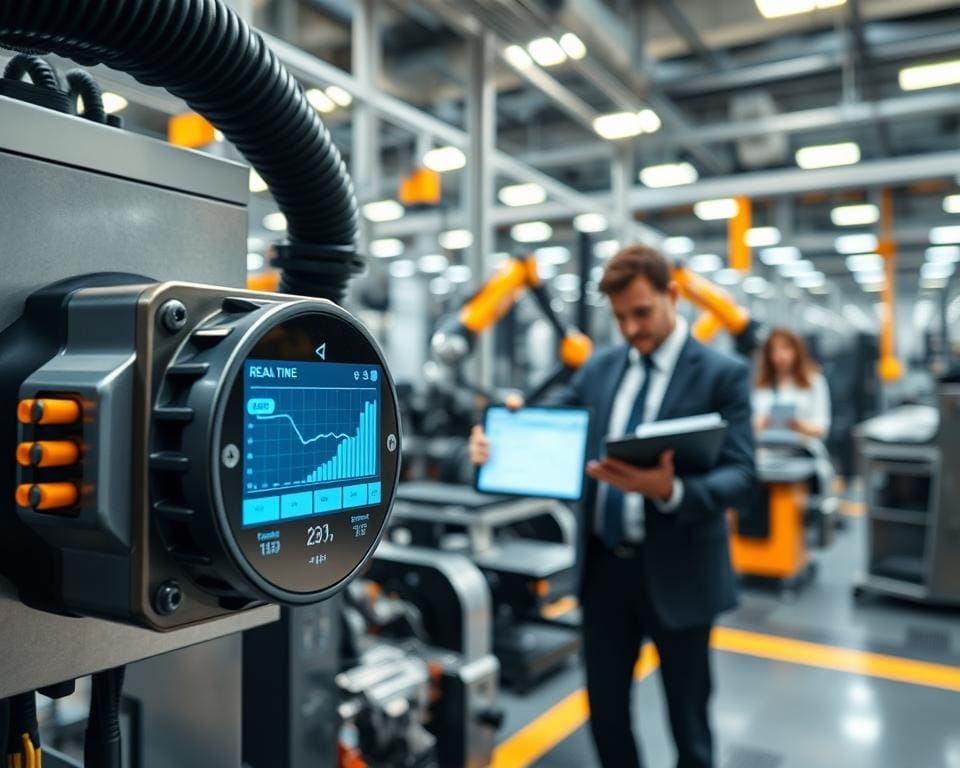
In today’s rapidly evolving industrial landscape, sensors play a pivotal role in enhancing factory efficiency through predictive maintenance. This innovative approach allows manufacturers to anticipate failures before they occur, significantly saving costs and optimising operational processes. By employing advanced industrial sensors, essential data regarding equipment health is collected in real-time, enabling timely interventions and minimising downtime. As businesses increasingly recognise the benefits of integrating manufacturing technology, the adoption of sensor technologies continues to rise, driven by a commitment to reliability, sustainability, and profitability.
The Role of Sensors in Modern Factories
In the landscape of smart factories, industrial sensors play a pivotal role in enhancing operational efficiency and streamlining processes. These devices provide real-time feedback on machinery and environmental conditions, making them essential for effective automation and predictive maintenance strategies. Understanding the types of sensors utilised in industry offers insights into their specific applications, contributing to the overall benefits of sensor technology.
Types of Sensors Utilised in Industry
Various types of sensors are employed in modern manufacturing environments, each serving distinct functions. Some of the most common include:
- Temperature Sensors: These monitor heat levels to ensure optimal equipment functioning.
- Vibration Sensors: Used to detect irregularities in machinery, preventing costly breakdowns.
- Pressure Sensors: Essential for monitoring and controlling system pressures, enhancing safety and reliability.
- IoT Sensors: Connecting machines for data exchange, promoting enhanced communication and integration.
Advantages of Implementing Sensor Technology
The integration of sensor technology in industrial settings yields numerous benefits. Firstly, it enables real-time data collection and analysis, empowering factories to make informed decisions swiftly. Such capabilities contribute significantly to predictive maintenance efforts, minimising the risks associated with equipment failure. Other sensor technology benefits include improved accuracy in monitoring and adjustments to manufacturing processes, leading to enhanced productivity and reduced operational costs.
How do sensors improve predictive maintenance in factories?
Sensors play a critical role in advancing predictive maintenance strategies within industrial settings. By facilitating real-time data collection and analysis, they enable businesses to proactively address potential machinery issues before they escalate. This immediate feedback loop enhances the overall health of operations and supports optimisation in maintenance practices.
Real-Time Data Collection and Analysis
The integration of sensors into factory systems allows for continuous real-time monitoring of machinery performance. Sensors gather vast amounts of data, which are crucial for understanding the operational state of equipment. By employing sophisticated data analysis methods, engineers can detect anomalies or deviations from normal performance, paving the way for timely interventions that prevent downtime and ensure reliability.
Predictive Maintenance Algorithms and Machine Learning
Once data is collected, predictive algorithms come into play. These algorithms, often powered by machine learning techniques, analyse historical data alongside real-time inputs to forecast potential breakdowns. This predictive maintenance approach not only enhances machinery lifespan but also contributes to maintenance optimisation by guiding technicians on when and how to perform necessary upkeep.
Enhancing Efficiency Through Predictive Maintenance
In today’s competitive manufacturing landscape, enhancing operational efficiency is vital. Predictive maintenance emerges as a key strategy to achieve this goal, particularly in minimising downtime and preventing equipment deterioration. The integration of sensor data into maintenance practices yields significant advantages, allowing manufacturers to make informed decisions that lead to improved production and profitability.
Minimising Downtime and Deterioration
By employing advanced sensor technology, manufacturers can significantly reduce downtime. Sensors monitor the condition of machinery in real-time, detecting anomalies that could signal potential failures. This proactive approach ensures that equipment deterioration is addressed before it escalates into a costly breakdown. As a result, businesses can maintain a steady production flow, enhancing overall operational efficiency.
Optimising Maintenance Scheduling with Sensor Input
Effective maintenance scheduling is crucial for maximising productivity. With the insights provided by sensor data, manufacturers can tailor their maintenance activities to align with actual equipment needs rather than relying on arbitrary schedules. This optimised approach not only facilitates downtime reduction but also extends the lifespan of machinery by ensuring timely interventions. Consequently, manufacturers achieve not only operational efficiency but also substantial cost savings.
Case Studies: Success Stories from the Industry
Industry case studies reveal the significant impact of sensor integration on manufacturing operations, showcasing successful implementations that enhance efficiency and reliability. These real-world examples provide insight into the tangible benefits gained through predictive maintenance and its correlation with performance improvement.
Example of a Factory Implementing Sensor Technology
A leading automotive manufacturer embraced advanced sensor technology to monitor their assembly line. This adoption streamlined processes and allowed for real-time data collection. By integrating state-of-the-art sensors, the factory enhanced its operational capabilities, reducing unplanned maintenance and optimising workflows throughout the production cycle.
Quantifiable Benefits Achieved Through Predictive Maintenance
The results achieved by this automotive giant illustrate the potential ROI on sensors. Within six months, the factory reported a striking 30% decrease in unplanned downtime. This performance improvement not only boosted productivity but also contributed to a more sustainable approach to manufacturing, reflecting the broader advantages of effective sensor integration in the industry.
Challenges and Considerations in Sensor Implementation
The journey towards effective sensor implementation in industrial systems is not without its challenges. Businesses face several implementation hurdles that must be addressed to harness the full potential of sensor technology.
Integrating Sensors with Existing Systems
One of the primary sensor integration challenges lies in merging new sensor technology with legacy systems. Achieving seamless compatibility requires careful planning and significant investment in infrastructure. Companies must facilitate effective communication between new and existing devices to ensure data flows smoothly across platforms. This integration process often involves custom solutions tailored to specific operational needs.
Maintaining Data Security and Privacy
As industrial systems adopt advanced sensor technology, data privacy and cybersecurity become crucial considerations. The influx of data generated by these sensors creates potential vulnerabilities that can be exploited by malicious entities. Ensuring robust security measures is essential to protect sensitive information, particularly in industries where compliance with regulations is mandatory. Businesses must implement comprehensive strategies to safeguard their data against breaches, making security a priority during the implementation phase.
The Future of Sensors in Predictive Maintenance
As we advance into the era of Industry 4.0, the landscape of predictive maintenance is poised for transformation through significant sensor advancements. These future technologies promise to create increasingly intelligent systems, facilitating seamless automation across various industrial applications. This shift is not just technical; it’s a paradigm shift in how factories operate, aiming for heightened efficiency and reduced operational costs.
The integration of advanced sensors in predictive maintenance is expected to yield profound insights, enabling more accurate forecasting of equipment failures. Predictive maintenance trends predict that as these sensor technologies evolve, industries will harness the power of data analytics to refine their maintenance strategies further, thereby maximising uptime and minimising resource wastage.
In summary, the role of sensors in predictive maintenance will continue to expand, driven by innovation and the societal demand for smarter manufacturing. As we embrace these advancements, the potential for improved reliability and efficiency in factories becomes an inspiring vision of the future, propelling businesses into a new realm of operational excellence.