
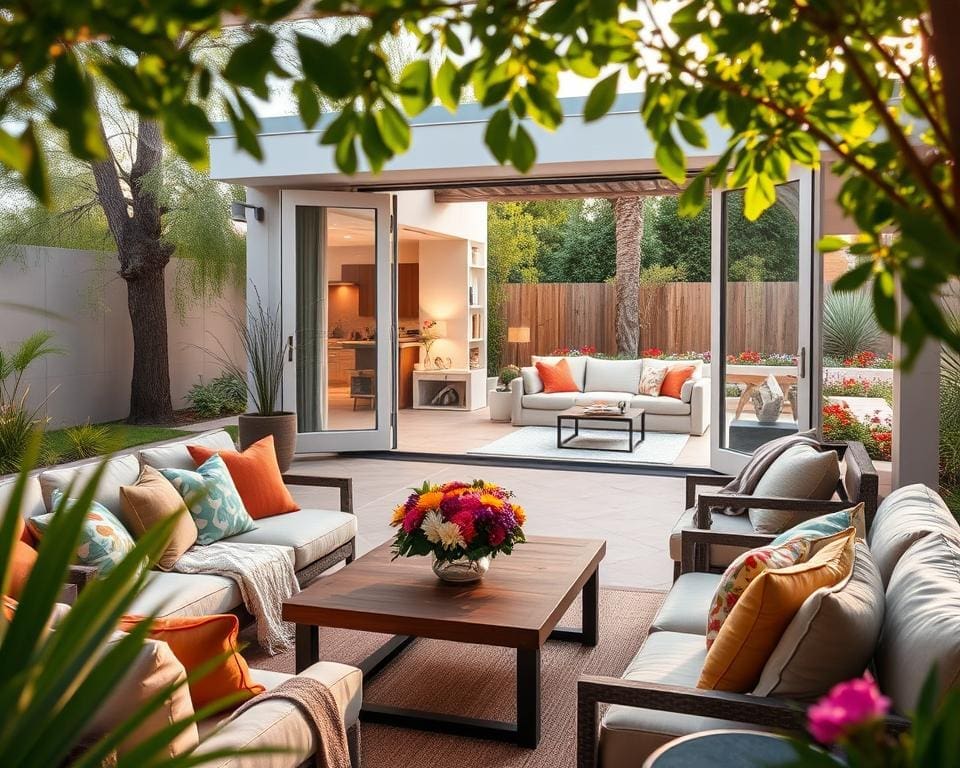
Thoughtful outdoor living can transform a home by extending interior comfort into the garden, terrace or balcony. In the UK, where weather is changeable and daylight shifts with the seasons, indoor-outdoor living is about designing continuity so outside spaces feel like a natural room rather than an afterthought.
Architects and designers achieve this continuity through clear sightlines, aligned layouts and material coherence. Covered terraces, weatherproof glazing and integrated heating or lighting are practical ways to extend interior comfort while preserving a sense of openness.
The measurable outcomes matter to homeowners: more usable living area, fresh-air wellbeing, greater capacity for entertaining and a noticeable uplift in property appeal. Later sections will explain architectural solutions, material choices, wellbeing benefits and the sustainability and value considerations relevant to UK outdoor living.
How do outdoor living areas extend interior comfort?
Thoughtful design erases the hard edge between house and garden. A successful indoor-outdoor transition makes rooms feel larger, brighter and more useful all year. Careful detailing lets a lounge flow into a patio without sacrificing thermal comfort, weather resistance or acoustic privacy.
Blurring the boundary between indoors and outdoors
Architectural openings set the tone. Folding doors and sliding walls, combined with large windows, create wide apertures that admit light and view. Aluminium, timber and uPVC systems from manufacturers such as Origin, Schüco and Reynaers offer thermally broken frames and weather sealing to keep draughts and rain at bay.
Detailing matters. Low thresholds, reliable drainage and trickle vents tailored for UK conditions maintain insulation and ventilation. Low-profile frames and clerestory glazing extend sightlines and make interiors read as part of the landscape rather than separate boxes.
Functional transition zones for everyday living
Keep floor levels continuous and match materials to reduce the perceptual seam. Porcelain paving or engineered decking that complements interior tiles makes movement feel natural. Match ironmongery and trim finishes to carry a colour palette through both zones.
- Covered patios and verandas act as weatherproof living rooms when fitted with glass canopies, solid roofs or louvred systems by Somfy or Renson.
- Outdoor kitchens and dining areas should mirror interior layouts: sinks and prep zones opposite one another create intuitive flow.
- Use weatherproof furniture such as synthetic rattan and aluminium frames with quick-dry cushions in fabrics like Sunbrella or Perennials for seasonal flexibility.
Comfort systems that span both environments
Climate control keeps the outside usable beyond summer. Outdoor heating options—from infrared panels to electric patio heaters—extend evenings, while ceiling fans and misting systems aid cooling. Position units for even coverage and ensure outdoor-rated electrics comply with Building Regulations.
Acoustic design preserves calm. Planting, acoustic screens and water features absorb and diffuse noise, improving perceived tranquillity inside. Layered, IP-rated lighting with warm LEDs ties the two spaces together for clear, cohesive ambience.
Design strategies to enhance comfort and usability
Thoughtful material choices, clear layout and planting bring interior comfort outside. Use durable, low-maintenance finishes that feel inviting underfoot and to the touch. Small decisions—like where to store cushions or how paths run—shape how often the space is used and who can enjoy it.
Choosing materials for durability and tactile comfort
Opt for performance fabrics such as Sunbrella, Perennials and Outdura for furniture upholstery. These weather-resistant textiles resist UV fade, mould and moisture. Pair them with quick-dry foam and raised slatted bases to avoid water retention and speed drying.
For floors, favour slip-resistant flooring with warm underfoot performance. Porcelain tiles offer frost resistance and low porosity. Engineered timber decking, including thermally modified timber or WPC, gives a natural feel. Textured natural stone with anti-slip finishes works well where grip and character are needed.
Choose sustainable timbers like FSC oak or Accoya and recycled composite decking to reduce embodied carbon. Accepting patination as a finish can create a lived-in look that suits gardens and terraces. Protect cushions with covers and use practical outdoor storage for longevity.
Layout principles for flow and accessibility
Arrange seating in sociable clusters that encourage conversation and allow clear entry and exit routes. Keep sightlines to an interior focal point so the garden feels like an extension of the home. Leave room for service flows, such as carrying food from kitchen to dining area.
Apply universal design so all ages can use the space. Step-free thresholds, adequate manoeuvring space for wheelchairs, non-slip surfaces and easy-to-operate hardware make outdoor living inclusive. Aim for comfortable seat heights and firm surfaces for walkers and prams.
Integrate outdoor storage into the plan to reduce clutter. Built-in benches, lockable exterior cupboards and dedicated zones for bins, barbecue kit and gardening tools keep the area tidy and functional. This makes the outside feel as organised as an interior room.
Colour, texture and planting to evoke interior warmth
Continue interior colour palettes outside with warm neutrals, natural timber tones and considered accents. Use UV-stable pigments and glazed finishes so colours hold up in sun and rain. Layer soft textures—outdoor rugs, throws and cushions—to add tactile warmth and an interior-like cosiness.
Use microclimate planting to shelter seating and create privacy. Trees, pleached hornbeam or beech hedging, evergreen screens and planted containers can cut wind, provide shade and absorb noise. Choose native and low-maintenance species such as lavender and ornamental grasses suited to the UK climate.
Place tactile outdoor materials where people touch most: handrails, bench tops and table edges. These small touches help the garden read as a comfortable, usable room rather than an afterthought.
Health, wellbeing and lifestyle benefits
Accessible outdoor rooms transform everyday living by offering places for calm, movement and social life. Thoughtful design links house and garden so that people gain frequent contact with nature. That steady contact supports wellbeing and outdoor living without demanding big lifestyle changes.
Psychological advantages of accessible outdoor space
Time outside helps lower stress and lift mood. Research links green time to reduced cortisol and clearer thinking. Simple features such as a quiet corner facing planting give easy access to restorative settings that boost outdoor space mental health.
Daylight and fresh air sharpen focus and spark creativity. Spaces that invite morning light support circadian cues, while views of planting reduce mental fatigue and encourage mindful breaks during the day.
Physical wellbeing through design-led activity
Gardening and al fresco cooking are gentle ways to move more. Digging, pruning and tending pots build strength and coordination without intense effort. A layout with winding paths and step gardens nudges residents into regular, incidental activity.
Design that includes power points, flat surfaces and storage makes it easy to use outdoor areas for exercise, yoga or chores. Thoughtful outdoor activity design turns brief routines into consistent health gains.
Social and entertaining advantages
Good indoor-outdoor flow makes hosting relaxed and fluid. Integrated serving zones and aligned sightlines let hosts move between kitchen and terrace while staying engaged with guests. Circular seating around a firepit or a dining terrace fosters conversation and shared moments.
Zones for privacy and sociability help households use the same garden for both intimate retreat and group gatherings. Screened seating, planted separators and level changes create pockets of varied intimacy that suit work, play and parties alike.
Openable doors and windows that link to outdoor rooms bring natural ventilation benefits into the home. Cross-ventilation and strategies such as night purging dilute indoor pollutants and improve air exchange, lifting indoor comfort and supporting better daylight and sleep patterns.
Sustainability, value and practical considerations for UK homeowners
Well-planned outdoor spaces can cut running costs and lift property appeal. Employing passive design UK principles—orienting patios to catch low winter sun, using thermal mass, deciduous shading and cross-ventilation—reduces reliance on mechanical heating and keeps terraces comfortable through the seasons. These moves are simple to stage and dovetail with greener choices such as green roofs and measured planting to boost insulation and biodiversity.
Practical tempering solutions include fixed brise-soleil, retractable awnings and louvred pergolas, plus rooftop planting where structure and waterproofing allow. Green roofs add thermal benefit but need assessment for load and membranes suited to the UK climate. For resilience, pair rainwater harvesting with permeable paving and SUDS-minded landscaping to reduce runoff and protect gardens from sudden surface flooding.
From a market perspective, quality outdoor living areas deliver noticeable outdoor living ROI. Buyers increasingly value usable exterior rooms as extensions of the home, which can improve saleability in suburban and urban properties. Cost-effective upgrades with strong returns include a tiled terrace or decking, quality folding doors, basic overhead shelter, discreet lighting and considered planting. Prioritise durable finishes to limit ongoing maintenance.
Be mindful of planning permission UK rules and Building Regulations: permitted development rights cover some porches and outbuildings, while conservation areas and listed buildings face tighter controls. Engage the local planning authority early and use qualified trades for electrics, drainage and structural work. For year-round outdoor comfort UK, add insulated roof panels, roll-down weather screens, heating options and good drainage, and budget for upkeep—deck resealing, fabric care and gutter checks—to protect value and enjoyment over time.