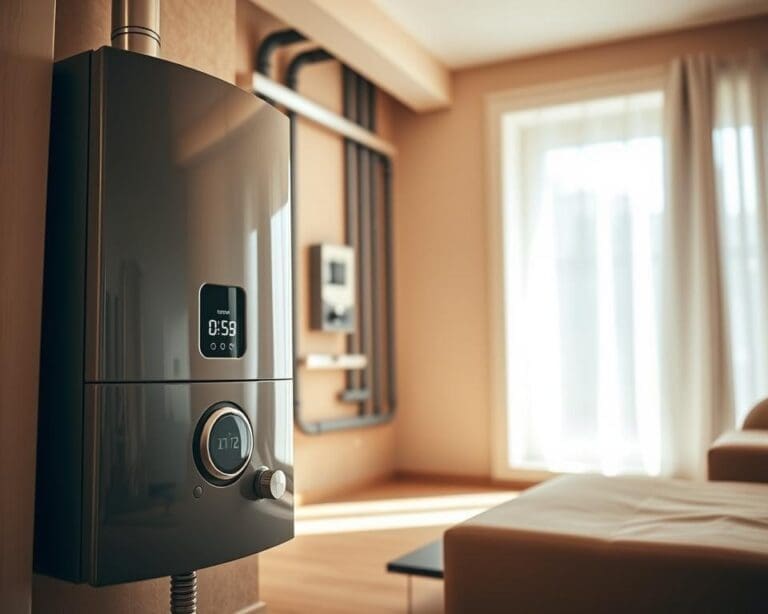
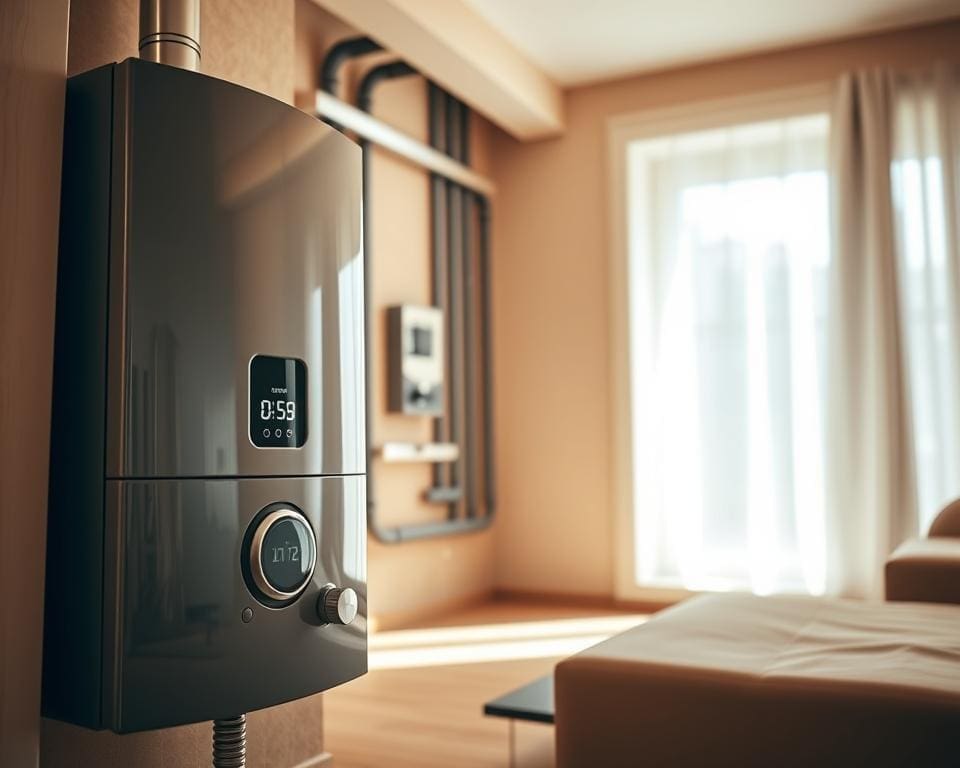
Energy-efficient boilers are appliances designed to turn a higher share of fuel into usable heat, and that efficiency is the key to lower UK heating bills. Boiler efficiency is expressed as a percentage — modern condensing boilers commonly achieve 90%+ — which means far less fuel is wasted and more of what you pay for actually warms your home.
The typical UK household spends most of its domestic energy on heating and hot water. Replacing an ageing, inefficient boiler can deliver meaningful boiler replacement savings, cutting both fuel use and monthly bills. How much you save depends on your current boiler’s condition, household size and insulation, but the potential is significant.
Recognised labels such as the ErP efficiency ratings (and legacy SEDBUK ratings) help you compare performance on product literature from manufacturers like Worcester Bosch, Vaillant and Ideal. These standards make it easier to judge long-term value rather than just headline cost.
Key technologies to look for include condensing boilers, which reclaim heat from flue gases; modulating burners, which adjust output to demand; and smart controls, which optimise schedules and reduce wasted run-time. Each of these features cuts fuel consumption and lowers emissions, and the sections that follow will explain exactly how they work and how to estimate realistic savings.
How do energy-efficient boilers reduce heating costs?
Energy-efficient boilers cut costs by using more of the fuel’s energy and wasting less through the flue. Modern units carry higher boiler efficiency ratings that translate directly into lower fuel demand. A boiler rated at 90% will need far less gas to deliver the same heat than a 70% unit, because less energy is lost as hot exhaust.
The difference is clear when replacing an older non-condensing appliance. Many 15–20 year old boilers run at roughly 60–75% efficiency. Swapping one of these for a current condensing model, which commonly exceeds 90% seasonal efficiency in manufacturers’ SAP and ErP figures, can cut gas use for heating by roughly 10–30% depending on the system and how the home is used.
Higher efficiency ratings and what they mean for bills
Efficiency percentages show the share of fuel energy turned into heat. If a boiler wastes 30% of input energy as flue gases, household fuel consumption sits higher and bills climb. Published seasonal efficiency figures from brands such as Worcester Bosch, Vaillant and Baxi give a helpful benchmark.
Real-world performance can differ from lab results. Poor system design, high return temperatures and inadequate controls reduce gains. Still, efficiency labels guide sensible choices and make expected savings easier to estimate.
Condensing technology and recovering lost heat
Condensing boilers explained: these units reclaim latent heat by cooling flue gases until water vapour condenses. That condensing heat recovery lowers flue temperature and boosts overall efficiency.
For effective condensing operation, return-water temperatures should often sit below about 55°C. Radiator sizing, underfloor heating and thermostatic controls help maintain lower returns and let the boiler condense more often.
Reduced fuel consumption: natural gas and alternatives
Higher efficiency reduces the cubic metres of gas a household needs, which cuts bills. UK gas costs vary with wholesale prices and standing charges, so actual bill changes depend on market conditions as well as usage.
Gas remains economical for many homes. Off-grid properties may use LPG or oil, where condensing models still offer fuel consumption reduction. Hybrid approaches pair a condensing boiler with a heat pump to balance running costs and carbon. When electricity is low-carbon, air-source heat pumps can deliver greater emissions savings than gas boilers.
Choosing the right fuel and boiler technology for a property is vital. Careful matching of system design, controls and fuel type gives the best outcome for cost, comfort and carbon impact.
Practical energy-saving features to look for in boilers
Choosing a modern boiler is about more than an A rating. Look for features that cut fuel use, smooth operation and match household patterns. Small upgrades in controls and components deliver noticeable savings and comfort when installed and set up correctly.
Modulating burners and weather compensation controls
A modulating burner changes output to meet demand instead of firing at full power and cycling off. This reduces fuel use, short-cycling and wear on components. It also steadies flow temperatures so radiators warm gently without big swings.
Weather compensation links boiler output to outside temperature. The boiler supplies only the heat needed for current conditions. This reduces unnecessary running and improves comfort on milder days. Brands such as Vaillant and Worcester Bosch fit these features on higher-tier models, giving smoother operation and lower standing losses.
Smart thermostats and intelligent scheduling
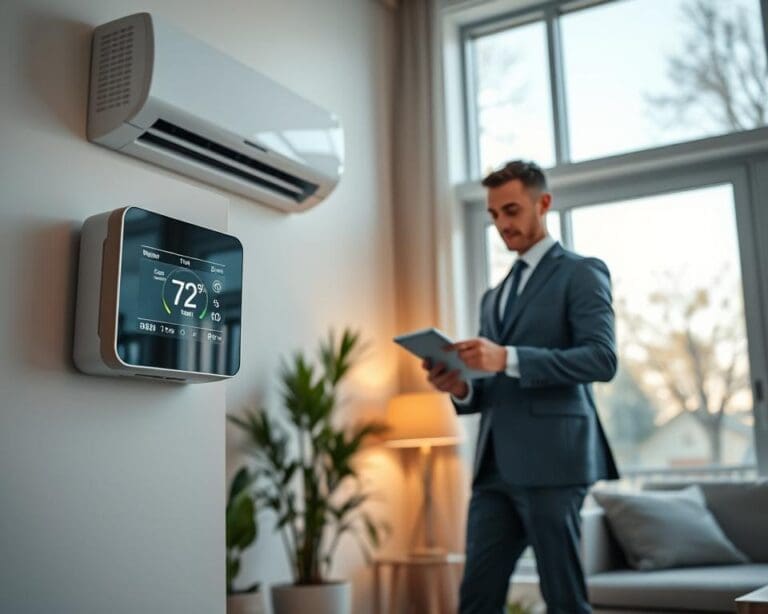
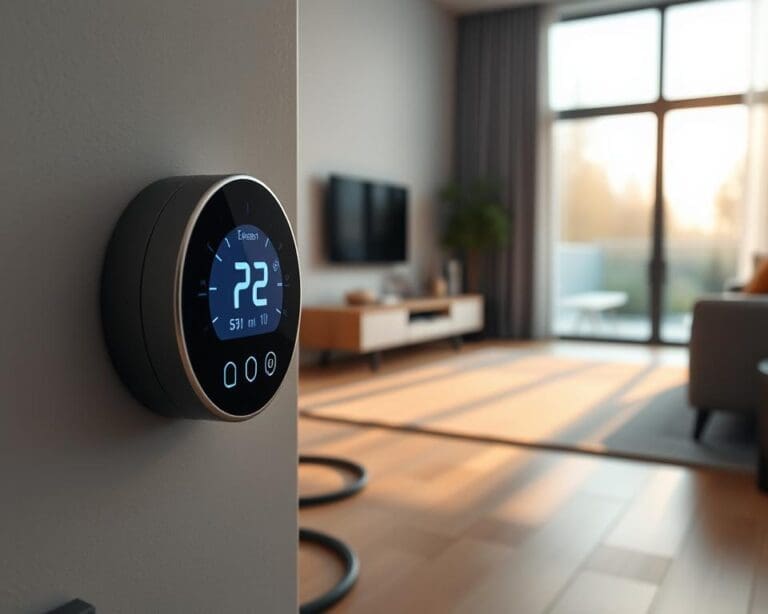
Smart thermostats from Nest, Hive and Honeywell Home give precise control and remote access. They enable adaptive behaviour, learning schedules and geofencing to avoid heating an empty house. Pairing smart thermostats with smart TRVs lets you zone rooms for tailored comfort.
Energy-saving options include open-window detection, integration with weather data and intelligent scheduling for time-of-use tariffs. These systems can cut consumption by about 10–15% when set up and used correctly. Always have a Gas Safe-registered engineer install and optimise complex controls to protect safety and warranty.
Combination boilers versus system boilers for efficiency
Combi boilers provide instant hot water from the mains without a cylinder. They remove cylinder heat losses, so combi boiler efficiency often suits smaller homes with modest hot-water demand. That makes them a compact, efficient choice for many UK properties.
System boilers store hot water in a cylinder and handle higher simultaneous demand more efficiently when the cylinder is well insulated and controls are good. For larger households, system boiler efficiency can beat a combi if hot-water peaks are frequent.
Deciding between a combi and a system boiler depends on pipework, hot-water profile and existing system compatibility. Select the correct kW rating to avoid short-cycling and inefficiency. For guidance on practical savings and maintenance tips, see this helpful guide: how to lower heating costs effectively.
Real-world savings: estimating reduced heating costs and payback
Upgrading a boiler can feel daunting, yet a clear method helps homeowners see likely savings and timescales. Start by gathering your annual gas bills and meter readings. A careful, step-by-step approach makes it simple to calculate boiler savings for a UK household.
How to calculate expected savings for a UK household
- Find annual gas consumption (kWh) for heating and hot water from bills.
- Estimate the share used for heating versus other uses, such as hot water.
- Apply current and proposed boiler efficiencies to approximate new consumption.
Use a simple formula to get a quick estimate: Annual kWh for heating × (1 − new efficiency) ÷ (1 − old efficiency). Multiply the result by your current gas price (pence per kWh) to convert kWh savings into pounds. A reliable heating cost estimator or Ofgem and BEIS statistics can help if meter data is incomplete.
Typical payback periods after replacing an old boiler
- Replacing a very old non-condensing boiler with a modern condensing combi or system boiler typically shows payback in about 3–8 years.
- Payback depends on installation cost, energy prices and any incentives or trade-in offers from manufacturers or installers.
Higher gas prices and rebates reduce the boiler payback period UK homeowners can expect. Make sure the new boiler is correctly sized and commissioned to avoid extending the payback time.
Factors that influence savings: insulation, controls and usage patterns
- Insulation impact on savings can be large; loft or cavity wall insulation often reduces heating demand more than the boiler swap alone.
- Better controls, such as thermostatic radiator valves and smart scheduling, let you zone heating and lower set points for extra savings.
- Household habits matter; timed heating and modest temperature reductions yield steady cuts in bills.
A whole-house approach works best. Combine a new boiler with improved insulation and smarter controls. Seek advice from MCS or Gas Safe-registered installers and local energy advice services for a tailored survey and accurate estimates.
Environmental and long-term benefits of choosing energy-efficient boilers
Choosing an energy-efficient boiler delivers clear environmental benefits for home heating in the UK. Improved efficiency cuts fuel use, so a 20% reduction in gas consumption typically maps to roughly a 20% reduction in CO2 emissions from combustion. That lower fuel burn also reduces NOx output when paired with modern low-NOx burners and better combustion management, improving both outdoor and indoor air quality.
Beyond immediate emissions savings, the long-term boiler benefits show across the boiler lifecycle. Reduced running costs accumulate year after year, and many households see a tangible uplift in property desirability and Energy Performance Certificate (EPC) ratings when efficient heating is installed. Brands such as Worcester Bosch and Vaillant offer extended warranties and advanced diagnostics on select models, which helps cut repair bills and downtime while enhancing reliability.
Energy-efficient boilers also align with sustainable heating UK goals and future policy shifts. Upgrading now, particularly to hybrid-ready or integrable systems that work with renewables and heat pumps, eases the later move to low-carbon heating. This future-proofing means homeowners can lower emissions today while keeping options open for hydrogen-ready or heat-pump hybrids as infrastructure evolves.
Viewed as an investment in comfort, efficiency and cleaner air, an efficient boiler pays back in reduced carbon emissions and lower bills over its life. For the greatest impact, combine a quality replacement with improved loft and wall insulation and smart controls, and always obtain quotes from Gas Safe-registered engineers and review manufacturer warranties before committing.