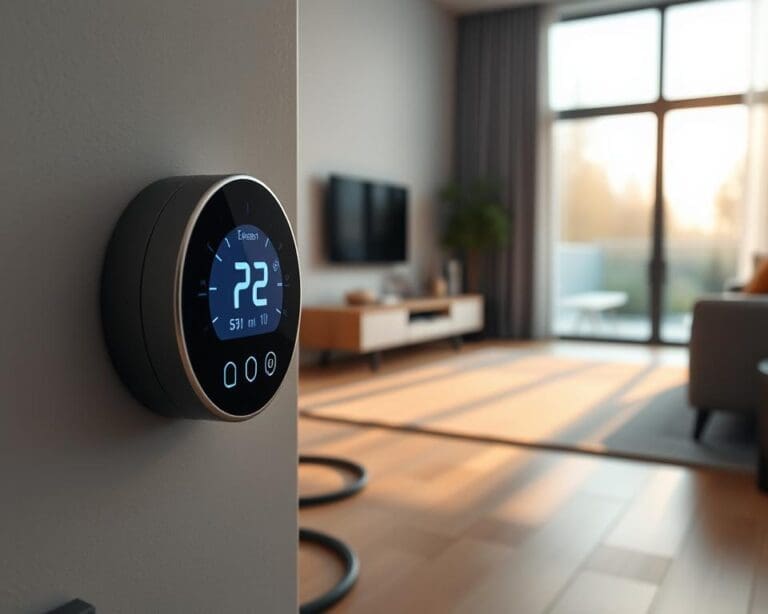
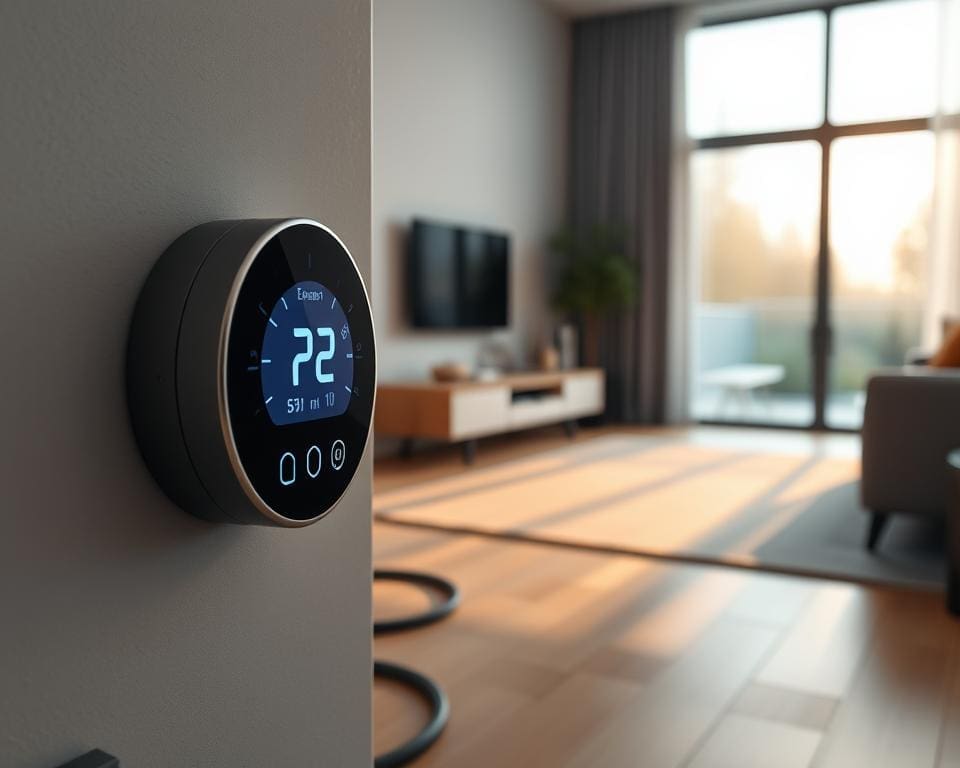
How do advanced heating systems save energy? For UK homeowners, landlords and building managers this question sits at the heart of lowering fuel bills and cutting carbon emissions. Advanced heating technology combines smarter controls, higher generation efficiency and thoughtful system design to lift home heating efficiency above that of older systems.
Traditional boilers and simple timers often waste heat through poor control and mismatch between supply and demand. Energy-efficient heating replaces that guesswork with thermostatic controls, zoning and weather compensation, so useful heat output rises while input falls. When a system is correctly sized and maintained, condensing boilers can reach seasonal efficiencies above 90% and heat pumps can deliver 200–400% seasonal performance under the right conditions.
Beyond bills, the benefits include better thermal comfort, lower carbon footprints aligned with UK decarbonisation targets, and potential increases in property value. Homeowners may also qualify for schemes such as the Boiler Upgrade Scheme or heat pump grants, making upgrades more affordable and attractive.
This section sets the scene. Later sections will explain energy-saving principles, key technologies, smart controls and the design and maintenance steps that maximise savings and reduce heating bills UK with practical, evidence-based advice.
How do advanced heating systems save energy?
Advanced heating systems cut energy use by combining sound design with clever technology. They reduce demand through better fabric, match supply to need with modulating kit, and recover waste heat to raise overall performance. Practical examples from social housing and trials across the UK show what these measures achieve in real homes.
Overview of energy-saving principles
First, heat loss reduction is the foundation. Insulation, draught-proofing and quality glazing shrink heat demand so smaller, more efficient plant can do the job.
Second, matching supply to demand matters. Right-sized boilers or heat pumps that modulate output avoid frequent cycling and trim wasted energy.
Third, optimise distribution and recovery. Insulated pipework, efficient radiators or underfloor heating and mechanical ventilation with heat recovery capture and keep more heat in the building.
Fourth, controls and occupant behaviour also save energy. Smart thermostats, set-back schedules and occupancy sensors stop heating empty rooms and cut unnecessary consumption.
Key technologies that reduce consumption
Modulating burners and variable-speed pumps lower part-load losses compared with simple on/off systems. They keep plant running at efficient points rather than swinging between extremes.
Condensing boilers reclaim latent heat from flue gases. When fitted with low return temperatures, models from Worcester Bosch or Vaillant can exceed 90% seasonal efficiency in practice.
Heat pumps deliver several units of heat per unit of electricity. Air-source units often reach a seasonal performance factor typical of UK conditions, while ground-source systems can be higher when well sized.
Zoned controls and thermostatic radiator valves let occupants set temperatures room by room. That reduces overheating and saves energy in multi-room homes.
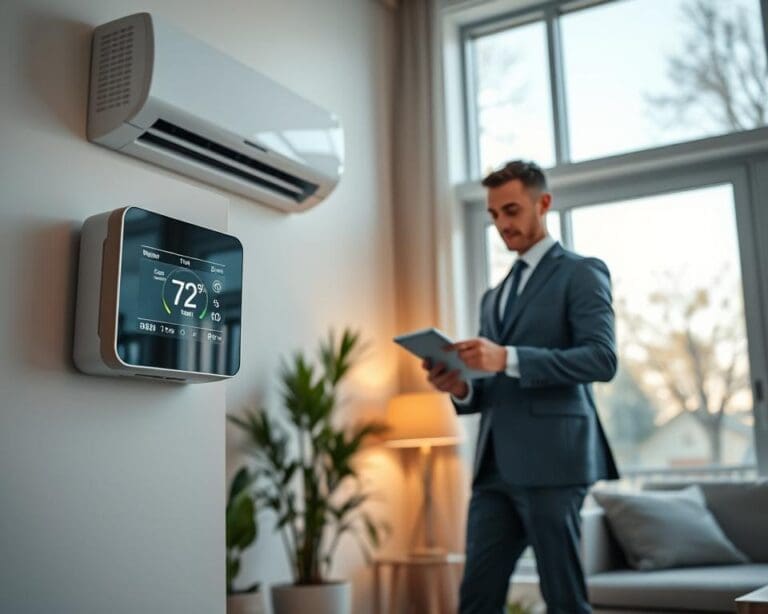
Smart thermostats from Google Nest and Hive use learning algorithms, geofencing and occupancy data to tune schedules. Hybrid systems pair heat pumps with boilers to keep efficiency up during peak demand.
Renewable integration via solar thermal or PV can offset grid-supplied energy and lower running costs further.
Real-world energy savings: case studies and statistics
Trials by the Energy Saving Trust and local council retrofit pilots show tangible gains. Combined fabric and system upgrades in social housing can cut heating energy use by 30–50% in many UK projects.
Smart thermostats typically reduce bills by about 10–15%. Replacing an old non-condensing boiler with a modern condensing unit often saves 10–30%, depending on prior performance and occupant habits.
Heat pump performance varies with design and installation. Air-source systems commonly record a seasonal performance factor between 2.5 and 3.5 in UK climates. Ground-source systems can push that figure higher.
Zoning and TRVs reduce energy by avoiding heat in empty rooms. Multi-zone installations commonly report savings of 10–20% in real homes.
- Manufacturers such as Mitsubishi Electric and Worcester Bosch provide validated performance data to support system selection.
- UK programmes and independent trials supply a growing body of energy saving case studies UK decision-makers can review.
Smart controls and zoning for efficient heat distribution
Smart heating controls UK are changing how homes use warmth. Small upgrades in control strategy can cut waste, lift comfort and support low-carbon heating. A mix of thermostatic controls, weather compensation and zoning gives families precise control over where and when heat is delivered.
Thermostatic controls and weather compensation
Thermostatic controls include programmable room thermostats and thermostatic radiator valves that hold setpoint temperatures and prevent overheating. Popular manufacturers such as Honeywell and Danfoss supply reliable TRVs and control modules that slot into existing systems.
Weather compensation boilers change the boiler flow temperature automatically using outdoor sensors. Boilers from Worcester Bosch, Vaillant and Viessmann offer weather-compensated options that match output to building heat loss. Smoother modulation reduces short cycling and keeps flow temperatures lower, which helps condensing boilers and heat pumps run more efficiently.
Zoned heating: benefits for multi-room homes
Zoning heating systems split a property into circuits controlled by independent thermostats or motorised valves. That allows separate schedules and setpoints for each area.
- Upstairs/downstairs zoning saves energy by heating only occupied levels.
- Bathroom-only times cut waste while keeping comfort where it matters.
- Room-based TRVs offer fine tuning without major rewiring.
Field reports from UK households show typical savings in the 10–20% range when multi-zone control replaces a single, whole-house schedule. Targeted heat reduces plant size and increases occupant comfort.
Integration with smart home ecosystems and voice assistants
Smart home heating integration links Wi-Fi thermostats, open APIs and platforms such as Apple HomeKit, Google Home and Amazon Alexa. That makes automated routines simple to set up and easy to change.
Geofencing can lower temperatures when the last person leaves. IFTTT and tariff-aware schedules shift energy use to cheaper periods. Smart controls can participate in demand-side response schemes and take advantage of time-of-use tariffs like Octopus Agile.
Security matters. Choose reputable brands, secure your network and keep firmware updated to protect privacy while enjoying the full benefits of smart heating controls UK and modern zoning heating systems.
High-efficiency heat generation: boilers, heat pumps and hybrids
Modern homes in the UK can cut running costs and carbon by choosing the right heat source. This section looks at how condensing boilers, air-source heat pumps UK systems, ground-source heat pumps and hybrid heating systems work in practice. Read on to compare performance, installation needs and real-world suitability.
Condensing boilers recover latent heat from exhaust gases by condensing water vapour, so they reach much higher thermal yield than older models. When paired with low-temperature emitters and correct commissioning, condensing boilers efficiency can reach seasonal figures in the high 80s to low 90s percent range. Careful flue installation, right-sizing and keeping return temperatures low are vital to sustain condensing mode. Leading UK manufacturers such as Worcester Bosch, Vaillant and Baxi provide robust warranties and installers registered with Gas Safe or MCS ensure compliant fitting.
Heat pumps extract ambient heat and upgrade it via a refrigerant cycle to provide space heating and hot water. Two common types are air-source and ground-source heat pumps. Air-source units offer simpler installation and work well in many homes, while ground-source systems deliver steadier performance because the ground temperature is more stable through the year. Both use metrics such as heat pump COP SPF to show instantaneous and seasonal performance. Typical SPF for air-source systems in UK conditions sits around 2.5–3.5, with ground-source often a little higher.
Suitability depends on the building fabric and distribution system. Well-insulated homes suit low flow temperatures from heat pumps best. Underfloor heating or larger radiators help deliver comfort without high flow temperatures. Upfront costs for heat pumps are higher than for boilers. Grants such as the Boiler Upgrade Scheme reduce the barrier to entry. Annual checks by qualified MCS installers, keeping outdoor units clear and ensuring refrigerant circuit integrity help sustain performance.
Hybrid systems pair a heat pump with a boiler to balance efficiency and peak demand. Controls switch or blend between the heat pump and a gas or electric boiler based on temperature, load or running cost. This avoids oversizing the heat pump and keeps comfort during the coldest periods. In practice, hybrid heating systems can provide most annual heat via the pump, with the boiler covering brief peaks. Proper control algorithms, commissioning and compatibility between components are essential. Choosing integrated hybrid units or coordinated systems from reputable brands helps meet UK building regulations and performance expectations.
Deciding between condensing boilers, heat pumps and hybrids comes down to fabric efficiency, budget and long-term goals. Each option offers routes to lower energy use and emissions when installed and maintained correctly, and when matched to the home’s needs.
Improving system performance through design and maintenance
Good heating system design starts with a whole-house view: improve fabric performance, choose the right emitters—radiators or underfloor heating—and size the system to match demand. Proper pipe insulation and attention to flow and return temperatures help condensing boilers and heat pumps reach higher efficiency. Early planning of zoning and weather compensation, plus considered controls architecture, means the system uses energy only where and when it is needed.
Hydraulic balancing and radiator balancing are vital to avoid wasted energy and uneven rooms. Use automatic balancing valves, variable-speed pumps and commissioning boilers correctly so every radiator and circuit receives the right flow. Small gains in pump efficiency and balanced distribution often translate into noticeable reductions in fuel or electricity use.
Routine heating system maintenance UK practices preserve performance over years. Annual servicing by Gas Safe-registered engineers or MCS-certified installers, system flushing, inhibitor treatment and magnetic filters keep wet systems free of sludge. Check pumps, TRVs and motorised valves, renew pipe insulation in cold spaces and keep firmware for smart thermostats up to date to benefit from improved algorithms and security fixes.
Monitor and optimise: install heat meters or use data from connected thermostats to spot inefficiencies and validate savings. Post-installation commissioning and seasonal reviews ensure expected SPF/COP are met and settings suit occupancy and tariff patterns. For practical guidance and examples of energy-saving options, see this overview of energy-saving heating systems for your home on SuperVivo. Before upgrading, survey the fabric, obtain multiple quotes and explore schemes like the Boiler Upgrade Scheme to understand payback, costs and likely bill reductions.