
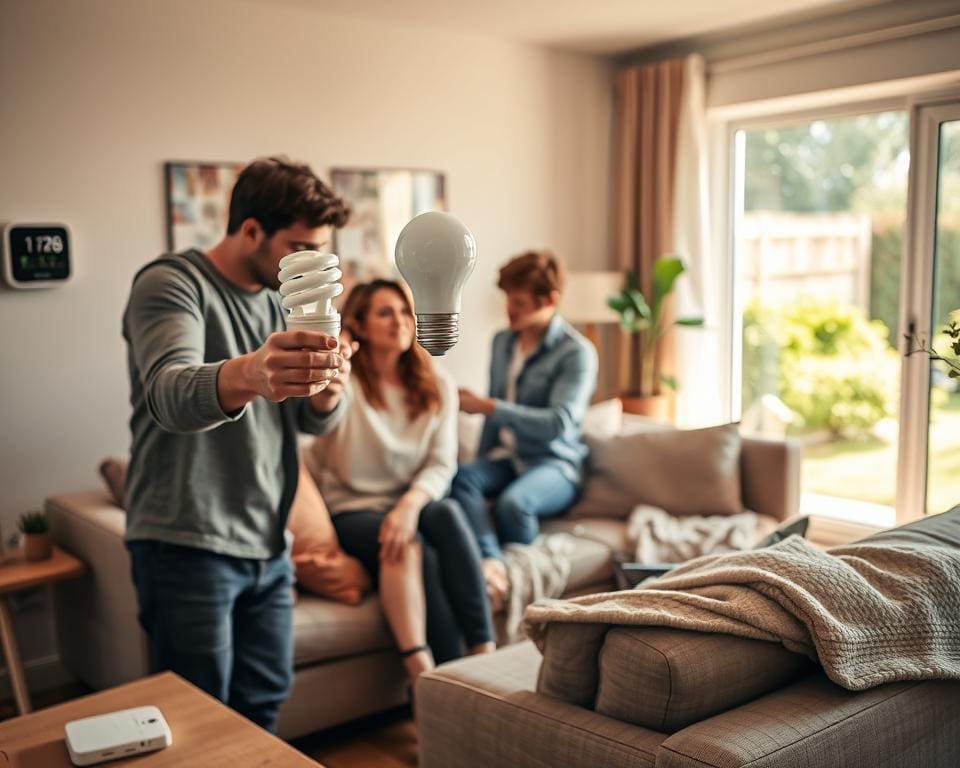
Reducing household energy use matters to every UK household. With rising energy prices and the government’s net‑zero commitments, small changes can mean lower energy bills and a smaller carbon footprint. Space heating and hot water are the biggest draws on energy in British homes, followed by appliances and lighting, so simple fixes often deliver real savings.
This guide shows how to reduce home energy use in practical stages. Start with a quick assessment and set realistic goals. Then try low‑cost measures such as draught‑proofing, LED bulbs and smarter habits before moving to larger options like loft or cavity wall insulation and boiler upgrades.
Many actions suit both owners and private renters — for example, sealing gaps, swapping bulbs and using smart plugs — while bigger investments, such as heat pumps or external wall insulation, suit homeowners or require landlord approval.
Expected benefits include lower energy bills, better comfort and rising property value. Measures like loft insulation, cavity wall insulation and efficient boilers can cut heating demand substantially, and switching to LED lighting plus smart controls reduces electricity used by lighting and standby power.
How can you reduce energy consumption at home?
Start with a clear plan. A simple home energy-saving plan helps you see where energy drains occur and what to fix first. This makes decisions easier and keeps progress measurable.
Carry out an energy audit
Begin with a DIY home energy audit. Review 12 months of energy bills to spot seasonal peaks. Check thermostat settings, heating schedules and the hot-water cylinder thermostat. Inspect loft and wall insulation and note obvious draughts around windows, doors and skirting boards.
List appliances, their ages and lighting types. Measure appliance-level use with plug-in energy monitors from brands such as TP-Link Kasa or Wattson-style devices. Smart meters (SMETS) give half-hourly reads to help you track energy use more closely.
Record current annual kWh and cost by fuel, your EPC rating if you have one, boiler age and efficiency, and insulation thickness. Take photographs of problem spots. Use the Simple Energy Advice calculator for quick estimates, and call an accredited Domestic Energy Assessor or an MCS-registered installer for a full survey when needed.
Set realistic goals and track progress
Turn findings into short-term and long-term targets. For example, aim to reduce electricity use by 10% in six months or to improve your EPC band within three years. Use SMART criteria so goals stay specific and measurable.
To track progress, use smart meter readings, supplier dashboards or third-party apps from the likes of Octopus and British Gas. Keep a simple energy efficiency checklist for daily habits such as thermostat setbacks and switching off standby power. Log monthly usage in a spreadsheet to review trends.
Prioritise changes for greatest impact
Triage actions by cost, payback time and carbon saved. Start with low-cost measures like draught-proofing, thermostat tweaks and LED bulbs. Next, consider medium-cost fixes such as hot-water tank jackets, thermostatic radiator valves and programmable controls.
Plan higher-cost upgrades—loft or cavity insulation, boiler replacement or a heat pump—over the long term. Use rules of thumb: insulating the loft and cavity walls usually gives strong returns for UK homes, and lowering heating by 1°C can save roughly 8% of heating energy. Where the property is rented, check landlord duties under MEES to ensure compliance when you prioritise home improvements.
Practical ways to cut heating and hot water use
Small changes can make a big difference to bills and comfort. This section gives clear, practical steps to reduce heating bills and lower hot-water demand. Follow these measures so your home stays warm without waste.
Improve insulation and draught-proofing
Start with loft insulation. Aim for at least 270mm in older homes to cut heat loss through the roof and reduce heating bills in winter.
Cavity wall insulation suits many post-war houses and can deliver large savings. Solid-wall properties benefit from internal or external insulation, though costs are higher. Use TrustMark-registered tradespeople or reputable local building firms and check for grant programmes that may help.
Simple draught-proofing offers fast gains. Fit brush strips, door draught excluders and seal gaps around windows, letterboxes and chimneys. The comfort boost is often immediate.
Consider double glazing or secondary glazing for period homes. Heavy thermal curtains keep rooms warmer after heating is turned off.
Optimise your boiler and heating controls
Book an annual service with a Gas Safe-registered engineer to keep boilers safe and efficient. Servicing can improve performance and spot faults early.
Install programmable room thermostats, smart thermostats such as Nest, Hive or Tado, and thermostatic radiator valves. Zoned heating stops rooms being overheated and helps reduce heating bills.
If your boiler is over 10–15 years old, consider an upgrade to a modern condensing combi or system boiler with a good ErP rating. Modulating burners give better efficiency at partial loads. Balance and bleed radiators so heat spreads evenly and the boiler works less hard.
Reduce hot water consumption
Change habits to reduce hot water use. Take shorter showers, fit lower-flow showerheads and run dishwashers and washing machines only with full loads.
Insulate hot-water cylinders and lag pipes to cut standby losses. Timed heating of hot water means you heat only when you need it, not all day.
Choose energy-rated appliances and use eco programmes at 30–40°C where suitable to save energy without lowering performance.
Consider low-carbon heating options
Heat pumps, especially air-source models, are a low-carbon path for many homes. They work best in well-insulated properties with low-temperature distribution, such as underfloor heating or larger radiators.
Ground-source heat pumps need more space and groundworks but offer high efficiency. Hybrid systems pair heat pumps with a boiler for flexibility during transition periods.
Look for MCS-certified installers and explore schemes like the Boiler Upgrade Scheme when considering a heat pump UK installation. Solar thermal can help cut hot-water demand in some households.
Energy-efficient appliances, lighting and behaviour
Small upgrades and simple habits make a big difference to home bills and carbon footprints. Choosing the right appliance, using devices wisely and switching to efficient lighting are practical steps any household in the UK can take today.
Check the updated A–G energy label when comparing washing machines, dishwashers, fridges, freezers and tumble dryers. Prefer A-rated models and note the annual kWh figure to estimate running costs. Fridges and freezers often use the most electricity; replacing old units with modern A-rated models can cut consumption noticeably.
Size matters. Pick an appliance that fits your household to avoid wasting energy on unused capacity. Consider lifecycle impacts as well. A more efficient appliance can repay its embodied energy through lower running costs over its life.
Smart and mindful appliance use
Cutting phantom loads helps household budgets. Use smart plugs or switched-off power strips to reduce standby power and to reduce standby power across TVs, set-top boxes and chargers.
Run washing machines and dishwashers on eco programmes and only at full load. Use off-peak tariffs such as economy 7/10 or modern time-of-use tariffs for large loads and EV charging.
Smart home devices bring automation. Smart plugs, thermostats and energy apps can shift high-load appliances to lower-carbon hours when supplier data allows. Air-dry clothes when possible and match pan size to hob rings when cooking.
Switch to efficient lighting
LEDs deliver the best balance of light quality and low energy use. They use roughly 75–90% less energy than incandescent bulbs and last far longer. Replace halogen and CFL bulbs with LEDs throughout the home for clear LED lighting savings.
Use dimmers in living spaces, motion sensors in hallways and timers for outdoor lights to avoid wasted hours of illumination. Check lumens for brightness and colour temperature to pick the right LED for task or mood lighting.
Small behavioural changes that add up
Lowering the thermostat by 1°C can save about 8% of heating energy. Wear warmer clothing indoors and use blankets or hot-water bottles as simple comfort measures.
Turn off lights when leaving rooms and unplug chargers to prevent needless draw. Encourage household routines that reinforce home energy-saving behaviours, such as shared reminders or a simple checklist by the door.
Community action scales impact. Share tools or appliances, join bulk-buy schemes for insulation or LED bulbs and take part in local energy projects to multiply benefits across neighbourhoods.
Investments, renewable options and financial support
Major upgrades start with the fabric-first approach: improving loft insulation, installing cavity or solid-wall insulation and fitting double glazing cut heating demand before you touch the boiler. Loft insulation typically costs a few hundred pounds and often pays back within 2–5 years through lower bills. Cavity wall insulation can cost around £500–£1,500 with similar payback where walls are suitable. Solid-wall insulation is pricier, often several thousand pounds, but can reduce heat loss markedly in older homes.
Replacing an old boiler with an efficient condensing model may cost £1,500–£3,500, while installing an air-source heat pump or ground-source heat pump ranges from about £7,000 to £20,000 depending on size and property type. The Boiler Upgrade Scheme and heat pump grant can reduce upfront costs for eligible households, so check current guidance on gov.uk. For large projects, green mortgages, home improvement loans or retrofit finance spread the cost and shorten effective payback periods.
Renewable energy for homes adds another layer of savings and resilience. Solar PV UK systems typically start at £4,000–£6,000 for a small rooftop array and can be sized to match household demand; southerly or unobstructed rooftops work best. Pairing panels with battery storage boosts self-consumption, helps with load shifting and provides backup during outages, though batteries add to cost and must meet UK safety standards. Less common options include solar thermal for hot water and micro wind where local conditions suit.
Support schemes and trusted advice make a big difference. Home energy grants UK and ECO funding can help lower-income households with insulation and heating; the Boiler Upgrade Scheme offers grant support for heat pumps. Use TrustMark and MCS-accredited installers, and consult Gas Safe or OFTEC for heating work. Start by gathering energy bills and your EPC, complete a simple audit, prioritise low-cost measures, get multiple quotes from accredited installers and explore grants, green loans and VAT relief where eligible. Citizen’s Advice and the Energy Saving Trust provide impartial guidance tailored to your area.