An energy efficient home uses less energy to deliver the same comfort and services. Making small and larger changes can reduce home energy use, cut bills and lower your household carbon footprint. For many UK households, that means better comfort and higher property value as well as clear home energy savings.
The UK has firm net zero and energy-efficiency ambitions, and recent rises in energy prices mean savings matter now. Older solid-wall houses, under-insulated lofts and unfilled cavity walls are common issues. Typical heat loss comes from the roof, walls, windows, floors and draughty doors — so targeting these areas helps to make home energy efficient.
Some measures show clear, measurable results. Loft and cavity wall insulation can save hundreds of pounds a year in fuel costs for many homes, while upgrading to an A-rated boiler and adding a smart thermostat tends to save an estimated 10–20% on heating energy. Actual results depend on property type, current condition and occupant behaviour.
This article is split into four sections: practical upgrades to improve home energy efficiency, everyday behaviour changes to reduce home energy use, finance and incentives, and long-term planning. You will find both technical options and simple household habits to secure lasting home energy savings.
Start with an energy performance certificate (EPC) or a home energy assessment from a certified assessor. Check guidance from the UK Government and Energy Saving Trust, and use a smart meter to track consumption as you make changes. These steps will help you prioritise where to make the most impact when you set out to improve home energy efficiency.
Practical upgrades to create an energy efficient home
Small changes and targeted upgrades can transform comfort and costs. Start with a clear plan that balances budget, impact and long-term goals. A staged approach lets you tackle quick wins like draught-proof windows and insulation doors, then move to larger investments such as a heat pump or solar PV.
Insulation improvements for year-round comfort
Insulation raises thermal resistance so heat flows more slowly and your heating needs fall. Good home insulation reduces heat loss, keeps rooms warmer in winter and cooler in summer, and cuts energy bills.
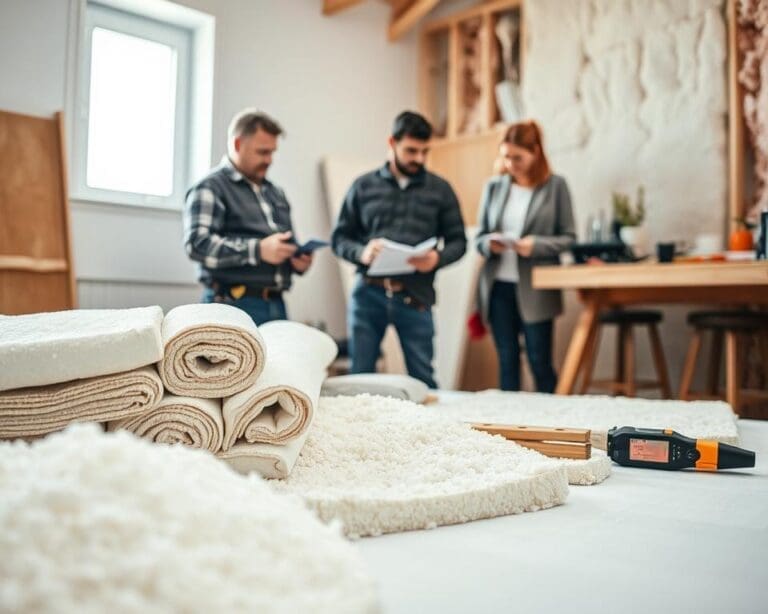
Loft insulation is one of the simplest upgrades. Topping up loft insulation to around 270mm of mineral wool, insulating loft hatches and insulating flat roofs can save a surprising amount. These measures are low cost and quick to install.
Cavity wall insulation suits homes with a cavity wall structure. Installers use polystyrene beads, mineral fibre or blown mineral wool to fill the gap. This reduces draughts and heat loss, but a qualified installer should assess any moisture risk first.
Solid wall insulation comes in two forms: internal and external. External solid wall insulation boosts thermal performance and changes the façade. Internal insulation is less visible but can be disruptive. Payback depends on fuel prices and property type, with older terraces often being the best candidates.
Floor insulation helps ground-floor heat retention. For suspended floors, add insulation between joists. For solid concrete floors, consider insulation under a new screed. Both approaches reduce cold floors and improve comfort.
Sealing gaps around skirting boards, pipe penetrations and loft hatches improves airtightness. Use draught excluders for doors and ensure controlled ventilation to avoid condensation and poor indoor air quality. Always choose tradespeople accredited to PAS 2035 or TrustMark for retrofit work.
Window and door solutions to reduce heat loss
Windows and doors matter for heat control. Replacing single glazing with double glazing is a common upgrade in the UK. Triple glazing offers extra thermal performance, especially in colder or noisy locations.
Secondary glazing provides a viable option for listed buildings or period homes where replacing frames is restricted. It improves thermal and acoustic performance while keeping original windows.
Frame choice affects performance. uPVC and timber offer good thermal properties, while aluminium needs a thermal break. Good seals, weatherstripping and trickle vents are essential. Draught-proof windows cut cold drafts and help energy efficient windows fulfil their potential.
For doors, pick insulated external doors, add letterbox brushes and use threshold draught excluders. Older doors can be draught-proofed or protected by a storm porch to reduce heat loss.
Heating system optimisation
Efficient heating systems save fuel and cut emissions. Replacing an old boiler with an A-rated condensing boiler often delivers immediate efficiency gains and lower bills.
Heat pumps—air-source or ground-source—work well in well-insulated homes. They have a higher upfront cost but lower running carbon emissions. Hybrid systems can pair a heat pump with a gas boiler for flexibility.
Controls make a real difference. A smart thermostat such as Nest or Hive, programmable timers and radiator controls improve central heating efficiency. Thermostatic radiator valves and room-by-room zoning prevent overheating unused rooms and commonly reduce heating energy by 10–15%.
Regular maintenance keeps systems efficient. Annual boiler servicing, bleeding radiators and balancing the system avoid wasted energy. Consider underfloor heating with heat pumps and MVHR in airtight refurbishments.
Renewable energy installations
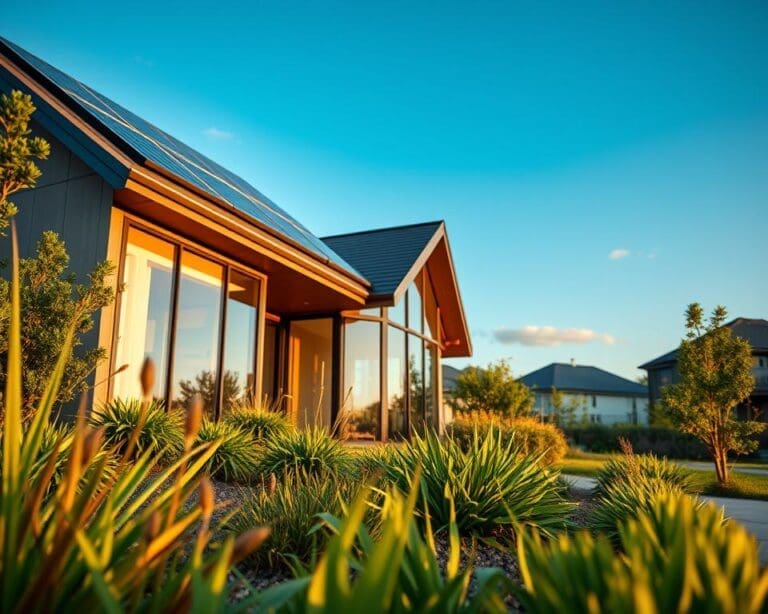
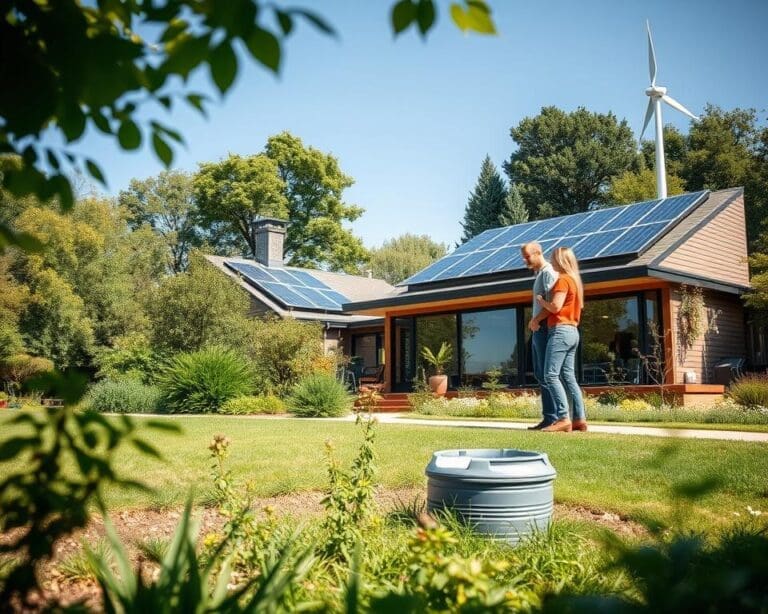
Solar PV fits many UK roofs. Typical domestic systems are around 3–4 kWp, subject to roof orientation and shading. Solar panels UK installations cut electricity drawn from the grid and pair well with home battery storage.
Home battery storage stores daytime solar generation for evening use, raises self-consumption and offers resilience. Reputable products include Tesla Powerwall and LG Chem. Choosing MCS-certified installers ensures correct design and warranty protection.
Solar thermal systems can supply hot water and reduce gas or electric demand for heating water. They remain effective in the UK climate for part of the year and work best with a well-insulated cylinder.
Microgeneration now operates under new schemes after the feed-in tariff ended. The Smart Export Guarantee allows small generators to sell exported electricity to suppliers. Check return on investment, planning constraints for listed buildings and installer accreditation such as MCS before committing.
Everyday behaviour changes and household habits to lower bills
Small shifts in daily routine bring big savings. Practical changes to cooking, laundry and heating cut bills and keep homes comfortable. Focus on habits you can keep up every day to make energy efficient appliances and smart tech work harder for you.
Smart energy use in cooking and laundry
Match pan size to the hob ring and use lids to trap heat. Choose induction hobs when replacing a cooker to boost efficiency and reduce wasted heat. Use residual heat by turning hobs or ovens off a few minutes early; that practice is especially useful when comparing hob vs oven performance.
Batch cook and avoid needless preheating for the oven. Fan ovens often allow lower temperatures and shorter times. Pressure cookers and microwaves are excellent for quick, energy efficient cooking.
Run dishwashers and washing machines full when possible. Use eco programmes and dishwasher energy tips such as cleaning filters and using the correct cycles. For laundry energy saving, wash at lower temperatures; a 30°C–40°C wash cleans most garments well. Air-dry where you can and choose a heat-pump tumble dryer if a dryer is essential.
Lighting and appliance choices
Replace incandescent and halogen bulbs with LED lighting to cut energy use and maintenance. Look for lumens and colour temperature on packaging so rooms feel bright and pleasant.
When buying new kit, check appliance energy ratings and kWh/year figures. Seek A++/A+++ or the current A–G labels for fridges, washing machines and dishwashers. Match washer-dryer capacity to household needs to avoid wasted cycles.
Use smart plugs to control standby power and create schedules that reduce phantom loads. Simple standby power reduction by switching off at the wall saves small amounts that add up. Clean filters and condenser coils regularly to keep appliances efficient.
Water-saving measures
Fit a low-flow showerhead and efficient taps to reduce hot-water demand without losing pressure. These water-saving devices help reduce hot water use and lower bills.
Insulate hot-water cylinders and exposed pipes to cut standing losses. Fix dripping taps and leaks straight away; even minor drips waste water and the energy used to heat it.
Use a water-efficient dishwasher; modern models often use less water and energy than hand-washing. Consider a rainwater butt for garden use and explore greywater systems with a qualified installer to reuse internal water safely and within regulations.
Room-by-room behaviour adjustments
Set thermostat settings to a comfortable yet efficient level, for example 18–20°C when at home and lower when away. Use zonal heating and smart radiator thermostats to heat only the rooms you use.
In living areas, use throws and rugs to increase perceived warmth so you can lower the thermostat. In bedrooms, reduce night-time heating and use warm bedding or hot-water bottles instead of heating the whole house.
For home offices, heat the workspace alone rather than the whole house. This small change in occupant behaviour keeps productivity high while cutting fuel use.
Ventilate briefly and effectively to avoid damp and maintain air quality. Cross-ventilate for 10–15 minutes instead of leaving windows ajar all day to retain heat while keeping the home healthy.
Finance, incentives and long-term planning for sustainable homes
Funding a retrofit often mixes personal savings, specialised loans and government support. Homeowners can look at green mortgages, tailored home retrofit finance and traditional loans to cover upfront costs. Prioritise measures with the best cost-to-savings ratio, such as loft and cavity-wall insulation and smart controls, to make early wins that lower bills quickly.
There are specific UK routes to explore, including energy efficiency grants UK and the ECO scheme for low-income households, plus Green Home Grants alternatives that local authorities may offer. Small-scale generators should check the Smart Export Guarantee to earn for exported electricity. Scheme terms change, so consult gov.uk and Energy Saving Trust for current details before applying.
When comparing green mortgages and finance products, read eligibility criteria and compare offers from lenders such as Nationwide and NatWest that promote energy-efficient borrowing. Use an EPC report and energy saving calculators to estimate savings, then calculate simple payback by dividing upfront cost by annual savings. Remember to value non-financial gains too: comfort, lower carbon emissions and higher saleability.
Plan a staged, whole-house retrofit aligned with PAS 2035: start with fabric improvements, then tackle heating and ventilation, then add renewables. Think ahead with home energy planning—allow space for future battery storage, EV charging wiring and sufficient roof strengthening for solar panels. Use accredited installers (MCS, TrustMark), obtain multiple quotes, check warranties and ensure compliance with changing regulations and rental standards to protect value and meet legal requirements.