
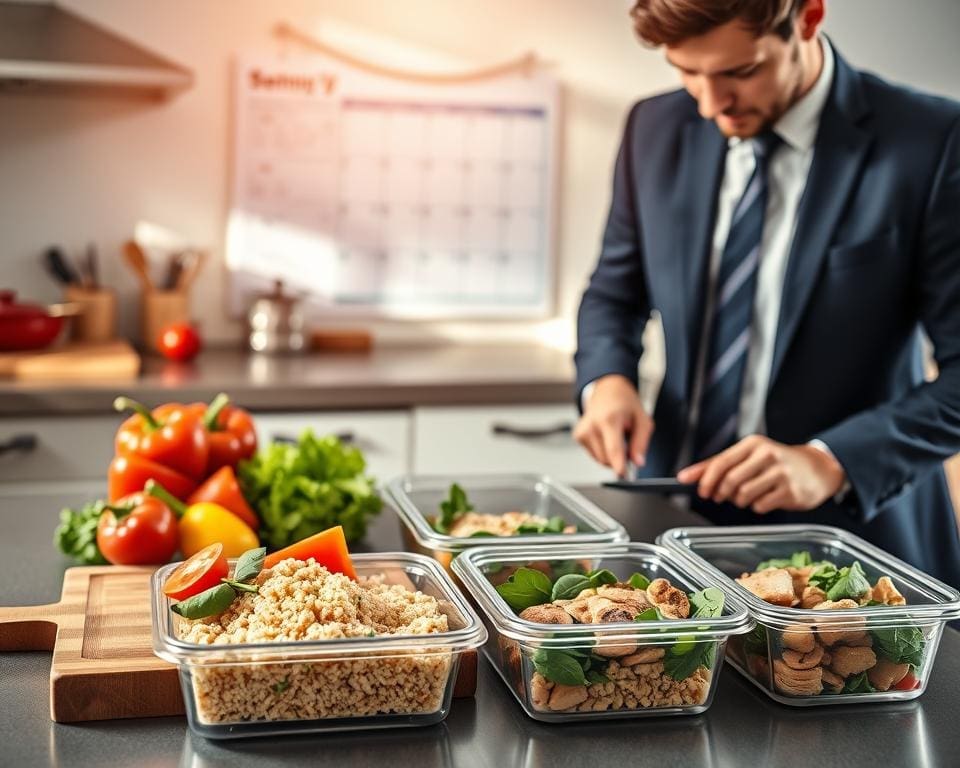
Finding practical ways to eat well while managing long hours, commutes and shifting schedules is a real challenge for many people across the United Kingdom. Research from the British Nutrition Foundation and NHS guidance shows that balanced eating supports concentration, mood and immune function, so learning how to eat healthy when busy matters for both work and wellbeing.
Office for National Statistics figures on average working hours and commuting times highlight why healthy eating busy schedule is a common problem. Hybrid working, late shifts and irregular hours disrupt regular meal patterns and make it harder to plan nutritious meals for busy people. That gap often leads to skipped meals, convenience food choices and energy dips.
This article offers evidence-informed, practical steps. First we explore work–rest balance and how sleep and recovery shape appetite and food choices. Next come time-saving meal planning for professionals with batch-cooking routines and one-pot ideas. We then cover smart grocery shopping and product picks, followed by a product review section of ready meals and convenience options stocked by Ocado, Tesco, Sainsbury’s, Asda, Waitrose, Marks & Spencer and Amazon UK.
The piece is a practical product review with an inspirational tone. Expect clear tactics to eat well at work, plus evaluated convenience products that save time without sacrificing nutrition. Credible sources underpin the advice, including the NHS Eatwell Guide, British Nutrition Foundation guidance, consumer reviews from Which?, manufacturer nutrition information from Tesco, Sainsbury’s and M&S, and peer‑reviewed studies on sleep, appetite and energy balance.
How do you balance work and rest?
Finding a steady work rest balance nutrition routine can transform how you eat and feel during a busy week. Small changes to your day make space for regular meals and short recovery moments, which in turn support energy, focus and mood. The steps below link restful habits with practical eating choices tailored for UK professionals.
Importance of balancing work and rest for nutrition
Chronic overwork and stress often cause irregular eating, skipped meals and a turn to convenience foods. NHS mental health guidance and summaries from the British Psychological Society show stress can push people toward quick, energy-dense snacks rather than regular, balanced meals.
Keeping work and rest in better balance helps stabilise blood glucose and curbs impulsive sugar or ultra-processed food cravings. Regular meals give the body steady fuel, making it easier to choose whole foods and stay on track with nutrition goals.
How sleep and recovery influence appetite and food choices
Poor or short sleep changes hunger hormones such as leptin and ghrelin, increasing appetite for high-fat, high-carbohydrate foods. Research summarised by Public Health England and sleep organisations outlines how reduced sleep impairs decision-making and nudges people toward less healthy options.
For busy professionals, late nights often mean more late-night snacking, weaker choices at breakfast and less time or energy to prepare meals. Good sleep and planned recovery protect against these patterns and support consistent, healthy eating habits.
Practical scheduling tips to protect mealtimes and rest periods
- Use Outlook or Google Calendar to block lunch and breakfast as non-negotiable events; treat these blocks as protected time to protect mealtimes and recharge.
- Set alarms for wind-down routines and scheduling mealtimes, plus brief recovery breaks of 5–10 minutes during long shifts to avoid burnout.
- Avoid eating at your desk where possible. Take full lunch breaks, try walking meetings and talk to managers about flexible or protected lunch arrangements.
- Adopt sleep hygiene suited to busy schedules: aim for a consistent sleep window, impose a screen curfew 30–60 minutes before bed, limit caffeine after early afternoon and use short naps of 10–20 minutes when your shift pattern allows.
- Plan meals in advance so scheduling mealtimes increases the chance you will prepare food, reduces impulsive takeaways and keeps energy for cooking when you finish work.
These habits link recovery and eating habits directly: better rest supports steadier hunger, clearer choices and more reliable meal routines. Small acts of planning give back time, energy and a simpler path to healthier eating.
Time-saving meal prep ideas and batch-cooking solutions
Start small and practical. A 60–90 minute Sunday session can transform weekday evenings. Focus on staples you enjoy: roast chicken or baked tofu, brown rice or quinoa, tins of chickpeas or lentils and roasted vegetables that reheat well. This routine suits meal prep for busy people who need reliable, tasty options.
Use a simple menu template to keep variety without fuss. Pick 2–3 proteins, 2–3 grain or potato sides and 2–3 vegetable preparations. Add two or three sauces or dressings to change flavour across meals and avoid boredom.
Store cooked food in BPA-free containers and label with dates. Follow Food Standards Agency guidance: eat refrigerated meals within 2–4 days or freeze portions for 1–3 months. Reheat thoroughly until piping hot and stir to remove cold spots.
Try these batch cooking ideas as a weekly rhythm: roast a whole chicken and shred for several meals, cook a large pot of quinoa, roast mixed root veg and make a big tub of tomato sauce. These steps build a ready pantry for quick assembly meals through the week.
One-pot recipes cut hands-on time and washing up. They scale well for singles or families. Think one-pot chilli con carne with mixed beans, or a lentil and vegetable stew that reheats neatly. Choose slow-cooker or Instant Pot methods when you must leave the house and return to a cooked meal.
Sheet-pan dinners are ideal for minimal effort and easy cleanup. Try traybake salmon with new potatoes and tenderstem broccoli, or tray-roasted Mediterranean veg with chickpeas and halloumi. Use foil or baking paper to speed washing up and stagger ingredient timing so nothing overcooks.
Quick assembly meals turn prepped components into fresh dishes in minutes. Combine a grain, a protein, veg and a sauce to make an instant bowl. Examples: quinoa + roasted sweet potato + black beans + avocado + tahini dressing; brown rice + leftover roast chicken + spinach + pesto.
Keep convenience items to hand but read labels for salt and sugar. Pre-cooked grains, canned beans and frozen veg save time and slot into a weekly meal plan UK without stretching the budget. Use branded appliances you trust, such as Instant Pot multi-cookers, Tefal non-stick roasting trays or Russell Hobbs slow cookers, to speed routines.
Small tools make a big difference: a sharp chef’s knife, sturdy chopping board and good containers reduce prep time. With consistent batch cooking ideas and a clear weekly rhythm you can free evenings, cut waste and eat well even on the busiest days.
Smart grocery shopping: efficient lists and product picks
Planning a week of meals first makes shopping faster and kinder to your budget. Use the batch-cook and quick-assembly ideas from earlier to decide proteins, grains and veg for each day. Group items by supermarket sections or online categories so a single trip or click finishes the job.
Create a healthy grocery list that balances protein, wholegrain carbohydrates, healthy fats and fibre-rich produce. Aim for a main weekly shop and a short mid-week top-up for fresh fruit and salad. For shopping for busy people, save recurring lists in apps so you can reorder favourites in seconds.
Digital tools speed the process. Use the Ocado Smart Pass, Tesco Groceries app or Sainsbury’s SmartShop to store favourites. Bring! and AnyList work well for shared family lists and repeat items.
Keep pantry staples UK items on hand to avoid late-night takeaways. A simple checklist reduces decision fatigue and helps you stick to nutrition goals.
- Dry goods: oats, wholewheat pasta, brown rice, quinoa, tinned tomatoes.
- Protein and tins: tinned fish such as tuna and salmon, canned beans like chickpeas and kidney beans, low-salt stock cubes.
- Fats and seasonings: olive oil, nut butters, vinegars and a small spice selection.
Fridge and freezer staples speed cooking and keep meals balanced. Frozen fruit and veg are often as nutritious as fresh and cut prep time dramatically.
- Fridge: eggs, Greek yoghurt, pre-washed salad leaves, pre-cooked chicken slices.
- Freezer: frozen berries, frozen peas, mixed veg, frozen fish fillets.
Choose brands that blend quality and value. M&S gives ready salads and prepared meals with clear labelling. Tesco and Sainsbury’s own ranges are reliable for staples. Birds Eye offers strong frozen veg options. Baxters and Princes are good for tinned goods. Alpro covers plant-based milks and yoghurts.
When picking store-bought items, learn to read the label. Check the serving size, calories per portion and per 100g sugar. Watch saturated fat and salt. Use traffic-light labelling to compare similar products quickly.
Look closely at categories that often mislead shoppers. Ready meals, sauces and cereal bars can vary widely in nutrition. Pre-made salads and deli protein packs may add dressings or salty cured meats that change the balance.
For shopping for busy people, pick convenient healthy products that cut prep time but keep quality. Supermarket picks UK like Tesco Balanced For You and M&S Balanced For You are useful starting points for quick midweek meals. Add grab-and-go snacks and pre-cut veg to your list to avoid impulse buys.
To prepare for product reviews later, note items to test in real life. Consider HelloFresh and other meal kits for variety, Birds Eye frozen ranges for veg convenience, Alpro yoghurts for plant-based choices, Graze snack boxes for portion control and a selection of protein bars from Grenade and Protein Works. Include several supermarket own-brand pre-cut veg and refrigerated protein packs to see how they hold up across a week of busy routines.
Healthy convenience products worth buying: a product review section
Busy lives need smart food choices that save time without sacrificing nutrition. This section examines ready meals, meal kits, prepared vegetables and compact protein sources. I focus on clear review criteria like macronutrient balance, portion size, saturated fat, sugar and salt per portion, plus vegetable content and price. Use these notes when you hunt for the best healthy ready meals UK and when you read any meal kits review UK.
Ready meals and meal kits that are genuinely nutritious
Look for ranges with transparent labelling and sensible portions. M&S Balanced For You frequently scores well for veg content and portion control. Tesco Balanced For You and Love Italiano offer widely available options that often hit reasonable nutrition marks. Waitrose Healthier Options and Sainsbury’s Taste the Difference lighter meals can be useful for occasional convenience.
For meal kits, HelloFresh and Gousto stand out in a meal kits review UK for variety, clear prep times and reduced food waste. Check sodium levels in sauces and consider pairing meals with extra veg or a side salad to boost fibre and micronutrients.
Pre-cut vegetables, frozen produce and their nutritional value
Pre-cut fresh veg such as bagged carrot batons or cauliflower florets save prep time with little nutrient loss when used quickly. Expect a higher cost per kilo but valuable time savings on busy days.
Frozen veg often preserves vitamins and minerals well because flash-freezing locks in nutrients at peak ripeness. Brands like Birds Eye and supermarket ranges from Tesco and Aldi provide reliable frozen mixes. Keep a selection of frozen veg on hand for stir-fries, soups and traybakes and use from frozen where recipes allow.
Follow storage and usage instructions on packs. Blanching is rarely needed; cook from frozen for many dishes and use opened packs within the manufacturer’s recommended time.
Protein options: ready-to-eat sources, bars and shakes evaluated
Quick whole-food protein choices include tinned tuna or salmon, cooked prawns, pre-cooked chicken slices, hummus, cottage cheese and boiled-egg packs available in most UK supermarkets. These work better for satiety and micronutrients than processed options when time allows.
Protein bars and ready drinks suit busy moments or post-workout boosts. Grenade Carb Killa and Fulfil bars score well in taste and protein content but vary in sugar. MyProtein and Grenade ready-to-drink shakes sell convenience; check calories and sugar on the label. Vegan choices such as Pulsin bars and Alpro protein drinks give plant-based alternatives.
Think practically about price and access. Supermarkets often stock everyday items, while Holland & Barrett, MyProtein and online retailers offer specialist bars and shakes. Treat bars and shakes as occasional convenience items; use whole foods where possible for long-lasting fullness.
- Review checklist: macronutrient balance, veg portion, salt/sugar per serving, price per portion.
- Buying tip: add extra frozen veg to ready meals to increase fibre and micronutrients.
- Storage tip: rotate frozen stock and use pre-cut fresh veg within a couple of days.
Snacking smart: portable, nutritious options for hectic days
Keeping energy steady between meetings and on the commute need not mean sugary bars and vending-machine crisps. With a little planning you can rely on healthy snacks UK that suit an insulated bag, a briefcase or an office drawer. Pack items that travel well, avoid strong odours and choose portions that keep you alert without a post-snack slump.
Here are practical ideas that work for busy days. Whole fruit such as apples and bananas travel without fuss. Mixed-nut packs give quick fuel and crunch. Oat-based flapjacks, whether homemade or supermarket own-brand with lower sugar, are filling and tidy.
Rice cakes topped with nut butter make a lightweight snack. Pre-boiled eggs are protein-rich and compact. Small pots of hummus with carrot sticks or Greek yoghurt pots from Chobani or Alpro offer balanced options for meetings without leaving crumbs.
Portable snack choices
- Homemade energy balls: oats, nut butter and seeds for a no-mess bite.
- Single-portion mixed-nut packs from Tesco or Sainsbury’s for convenience.
- Grow & Rich or Alpro Greek-style yoghurts for a higher-protein plant option.
- Marks & Spencer deli pots or flaked smoked salmon pouches for a premium protein hit.
Understanding snack macronutrient pairing helps snacks sustain performance. Aim to combine carbohydrate with protein and a little healthy fat to blunt hunger and steady blood sugar. An apple with peanut butter pairs quick carbs and fat with protein. Greek yoghurt with berries and seeds mixes protein and fibre with healthy fats.
For portion guidance choose snacks around 150–300 kcal depending on activity and hunger. Pre-workout picks such as a banana or toast supply fast fuel. After exercise reach for a snack with both protein and carbohydrate, like a protein shake or a sandwich, within 30–60 minutes to aid recovery.
Snack macronutrient pairing tips
- Look for roughly 6–10 g protein per portion to sustain energy.
- Avoid snacks with excessive sugar, over 10 g per portion.
- Check savoury pots for high salt and choose lower-salt options when possible.
Supermarkets across the UK stock many of the best grab-and-go UK options for commuters. Graze snack pots score for portion control and variety, though sweet flavours can carry added sugar. Eat Natural and Nakd bars use whole-food ingredients and tend to be lower in processed sugar; compare flavours and calories before you buy.
Tesco and Sainsbury’s own-brand boiled-egg snacks and mixed-nut packs are budget-friendly choices for daily use. For something more indulgent try Marks & Spencer’s protein-packed deli pots or smoked salmon pouches for a convenient, high-quality bite.
When choosing ready-made items read labels quickly. Prioritise snacks with at least 6–10 g protein, moderate carbohydrate and some healthy fat. That approach keeps morning meetings productive and the commute calmer while you enjoy practical, tasty healthy snacks UK on the go.
Maintaining motivation and realistic habit changes for long-term success
Set small, achievable goals and use SMART framing to keep progress visible. For a busy professional, that might be “add one extra portion of veg to dinner five nights this week” or “prepare three lunch portions on Sunday”. These realistic diet changes build confidence and create steady momentum without overwhelming a packed calendar.
Attach new habits to routines you already have — a method known as habit-stacking. Put a tray of vegetables in the oven while making your morning coffee or set a meal-prep timer when you check emails. Use simple tracking tools like a weekly meal checklist, a paper habit tracker or apps such as Streaks and Habitify, and loop in a partner, colleague or online forum for accountability to strengthen motivation for healthy eating.
Plan for setbacks and keep flexibility. Carry healthy convenience items when travelling, select better takeaway options, and permit occasional treats without guilt. Celebrate wins with non-food rewards — a new reusable lunchbox or an episode of a favourite podcast — to reinforce sustainable healthy habits and avoid all-or-nothing thinking.
Adopt evidence-based behaviour change nutrition UK techniques: implementation intentions (“If a late meeting runs over, I will eat a prepacked salad”), self-monitoring and environmental design, such as keeping fruit visible and removing tempting ultra-processed snacks. Review progress monthly, rotate recipes and convenience products to prevent boredom, and pick one practical change this week — schedule a lunch break, prep two lunches on Sunday or try one recommended ready meal — to experience immediate benefits and keep long-term success within reach.