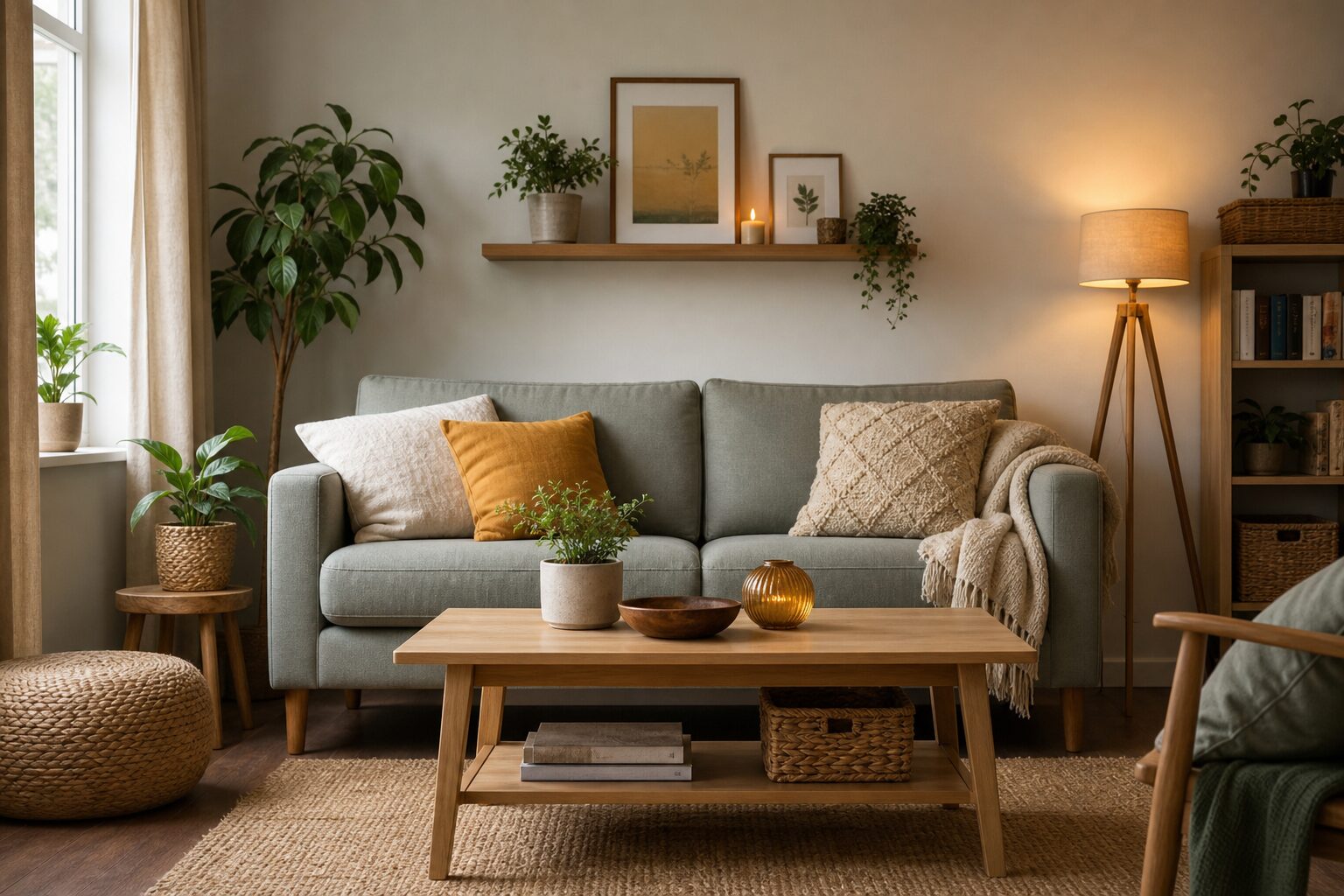

Decorating well does not depend on a large spend. The practical answer to How Can You Decorate Your Home on a Small Budget? is to plan like a project, prioritise visible improvements and reuse what already exists. For businesses connected to property, from landlords and serviced apartment operators to relocation teams and small hospitality brands, a careful approach can make interiors feel current, clean and welcoming without waste. This guide explains affordable choices that still look considered and durable in everyday UK homes.
Start With a Clear Decorating Budget
A budget is more than a limit; it is a decision tool. Separate essential repairs from decorative wants before buying anything. Fresh paint will not hide a damp patch, broken handle or poor lighting, so deal with basic maintenance first. Then decide which rooms carry the most value. In rental property, that may be the entrance, living room and main bedroom. In a staff flat, it may be durable storage and easy-clean finishes. Allocate a small contingency for forgotten items such as filler, masking tape, hooks, bulbs and delivery charges.
Plan by impact, not impulse
Impulse purchases often create mixed results because colour, scale and purpose have not been checked. Take quick photos of each room and note what feels tired. Is it the wall colour, clutter, weak lighting or mismatched soft furnishings? Choose one main improvement per room and keep the rest simple. For commercial decision makers, this also makes costs easier to compare across several homes or units, rather than letting each space become a separate experiment.
How Can You Decorate Your Home on a Small Budget? Focus on High-Visibility Changes
The best low-cost updates are the ones people notice immediately. Walls, windows, floors and lighting shape first impressions long before a visitor studies individual objects. A neutral base usually works hardest in B2B settings because it suits different tenants, guests and employees. That does not mean everything must be grey or plain. Warm whites, soft taupes, muted greens and calm blues can add character while remaining easy to live with. Keep bolder colours for cushions, artwork and small accessories, which are cheaper to change later.
Paint and paper with purpose
Paint is often the most cost-effective decorating material, provided preparation is not skipped. Wash walls, fill dents and use tester patches in natural and artificial light. One feature wall can work, but only where it supports the room’s shape, such as behind a bed or dining table. Peelable wallpaper, a painted panel or a simple dado effect may bring texture without covering every surface. In high-use homes, choose finishes that can be wiped clean, especially in hallways and kitchens.
Improve lighting before buying more décor
Poor lighting makes even good furniture look flat. Replace harsh bulbs with warmer, efficient options where suitable, and aim for layers: ceiling light, task light and soft lamp light. A second-hand lamp with a new shade can look refined for very little. Mirrors can also help move light around a narrow hallway or dark corner. For managed properties, use simple fittings and common bulb types, so maintenance stays straightforward and replacements are not difficult to source.
Use What You Already Own
Before purchasing new items, edit the room. Move furniture away from walls, remove tired accessories and test pieces in different places. A side table from a bedroom may suit a hallway. Dining chairs can be refreshed with seat pads. Existing frames can be repainted and filled with simple prints, fabric samples or local maps, provided the result feels tidy rather than improvised.
Low-cost refreshes that often work across home and hospitality settings include:
- New handles on cupboards, drawers and wardrobes.
- Fresh cushion covers, throws and washable rugs.
- Matching storage baskets for shelves, bathrooms and utility areas.
- Rehung curtains or blinds at a better height.
Shop Carefully, Then Style Consistently
Small budgets are often lost through rushed shopping. Compare measurements, materials and return conditions before ordering. Flat-pack furniture can be useful, but only when it suits the level of use. Second-hand shops, clearance sections, office reuse schemes and local marketplaces can provide solid pieces; however, check safety, cleanliness and condition. In a furnished rental or guest home, consistency matters more than novelty. Two similar bedside tables usually look better than one statement piece and one leftover table, even if both were inexpensive.
Choose a limited palette
A limited palette makes budget items appear intentional. Use one main wall colour, one wood or metal tone, and two accent colours. Repeat these choices through cushions, lamps, frames and small furniture. This method is useful when several people approve purchases, because it reduces random decisions. It also allows older pieces to blend in, as long as their colour or finish relates to something else in the room.
Balance Savings With Durability
The cheapest item is not always the best value. Anything touched daily should be sturdy: mattresses, sofas, dining chairs, taps, handles and flooring trims. Save money on decorative layers that can be replaced easily, such as lampshades, prints, vases and bedding sets. This balance is especially important for businesses responsible for maintenance, because fragile purchases can lead to repeated repairs, complaints and inconsistent presentation. A modest, durable interior is usually more professional than a fashionable one that quickly looks worn.
Frequently Asked Questions
What is the cheapest room to decorate first?
Hallways are often affordable because small changes matter there. Clean walls, better lighting, a tidy runner and neat hooks can improve the welcome without furnishing a whole room.
How do I make budget décor look more professional?
Repeat colours, align picture frames, hide visible cables and remove excess objects. Professional styling often comes from order, spacing and care rather than expensive individual products.
Should businesses decorate differently from private homeowners?
Yes, business-led decorating should consider durability, easy cleaning and broad appeal. Personal touches still help, but they should not make the home difficult to maintain or unsuitable for varied occupants or short-stay guests over time.