
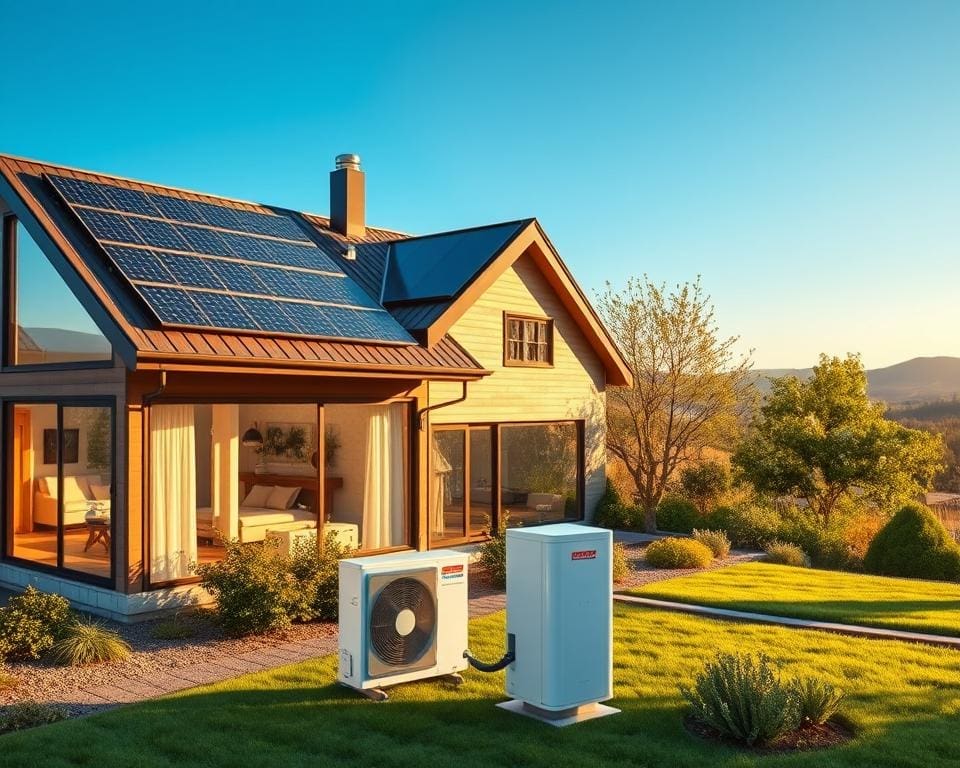
The shift to sustainable heating is no longer a niche choice. With the UK heat transition under way and the Government setting interim targets on the path to Net Zero by 2050, low-carbon heating has moved to the top of the agenda for homeowners, landlords and developers.
Heating buildings accounts for about a third of domestic emissions, so choosing the right system can boost property resilience and support energy-efficient homes. This article explains how future-proof properties benefit from technologies such as heat pumps, solar thermal and biomass, and how these systems work with insulation and smart controls.
Readers will find practical guidance on lifecycle costs, likely payback periods and available incentives including the Boiler Upgrade Scheme. The aim is to inspire action: investing in sustainable heating can cut bills, protect assets against fuel-price swings and enhance long-term value while reducing carbon footprints.
How can sustainable heating systems future-proof properties?
Future-proofing buildings means designing or retrofitting so properties stay compliant, efficient and valuable as rules and markets change. A future-proofed home blends efficient fabric, adaptable services and smart controls to cut risk from fuel-price swings and tighten thermal comfort for occupants.
Understanding the concept of future-proofing in the built environment
Practical future-proofing rests on a few clear criteria. First, regulatory compliance with rising standards such as Building Regulations Part L. Second, flexibility to adopt new low-carbon heating technologies when they mature. Third, reduced operational risk from volatile energy markets. Fourth, improved occupant health and comfort through stable indoor temperatures.
Insurers and mortgage lenders now take notice of low-carbon credentials. Strong energy performance and higher EPCs often reduce void times and support better resale or rental values.
Key sustainable heating technologies: heat pumps, solar thermal, and biomass
Heat pumps extract ambient heat and upgrade it with a compressor. Air-source and ground-source systems can deliver coefficients of performance of three to four and above. They work best in well-insulated properties and prefer lower flow temperatures, which can mean larger radiators or underfloor heating during retrofits.
Solar thermal systems use collectors to preheat domestic hot water. They pair well with heat pumps to lower electricity demand for hot water, especially on south-facing roofs with little shading.
Biomass boilers burn sustainably sourced wood pellets or logs. When fuel supply and lifecycle are managed, biomass boilers can be close to carbon-neutral at combustion. They suit off-gas rural homes but need storage, planning checks in some areas and regular maintenance.
Hybrid approaches can ease retrofit barriers. Combining a condensing gas boiler with a heat pump or solar thermal backup helps manage peak loads while phasing in low-carbon heating technologies.
Regulatory and market drivers in the UK: Net Zero targets, Building Regulations and the Boiler Upgrade Scheme
The UK’s Net Zero 2050 target makes decarbonising heating central to policy. Building Regulations Part L is under review to raise fabric and system efficiency in new builds and major refurbishments. Local planning policies and landlord net-zero commitments add pressure on asset owners to upgrade.
The Boiler Upgrade Scheme offers grants to lower upfront costs and speed heat pump adoption UK-wide. That support helps households and landlords overcome capital barriers while supply chains scale.
Market signals from lenders, possible future carbon pricing and tighter rules on new fossil-fuel heating point to stronger incentives to invest in low-carbon systems now.
Long-term value: resilience, adaptability and asset appreciation
Sustainable heating reduces exposure to gas price shocks and supply disruption. Properties that can integrate onsite solar PV, batteries and low-carbon heating gain resilience and lower running costs.
Designing systems to be modular supports future upgrades, from capacity boosts to smart controls and potential hydrogen-ready interfaces where feasible. That adaptability cuts the risk of stranded assets.
Evidence shows energy-efficient homes command better prices and shorter vacancy periods. Investing in fabric improvements and recognised low-carbon heating technologies can raise asset value and make properties more attractive to tenants and investors.
Energy efficiency and cost savings through sustainable heating
Switching to low‑carbon heating can cut energy use and lower bills when done with care. Small changes to controls and the building fabric let heat pumps run at their best. Homeowners who pair efficient equipment with targeted insulation see the biggest gains in comfort and reduced heating running costs.
How heat pumps and smart controls reduce energy consumption
Modern air‑source and ground‑source heat pumps deliver several units of heat for each unit of electricity, measured by COP and seasonal performance factors. This efficiency makes them far more effective than direct electric heaters in many UK homes.
Smart heating controls such as Hive and Google Nest, thermostatic radiator valves and weather compensation match heat to actual demand. Zoned heating and time‑of‑use strategies enable load‑shifting to cheaper periods and higher self‑consumption when paired with rooftop PV.
Insulation, fabric-first approaches and their interaction with heating systems
The fabric‑first retrofit approach begins with loft, wall and window upgrades to cut heat loss. Better airtightness and reduced thermal bridging lower peak loads and let heat pumps operate at lower flow temperatures without short cycling.
PAS 2035/2030 guidance helps sequence measures: start with draught‑proofing and insulation, then add glazing and finally upgrade heating. Proper home insulation UK work amplifies heat pump savings and improves comfort year‑round.
Operational cost comparison: sustainable systems versus conventional boilers
Upfront costs for heat pumps often exceed those for condensing gas boilers, but higher efficiency and lower carbon intensity can reduce long‑term bills. Fuel‑price swings affect gas boilers more, while electrified heating benefits from low‑cost renewable electricity and flexible tariffs.
Maintenance and lifespan differ: heat pumps often last 15–20 years with routine servicing, while modern gas boilers typically run 10–15 years. When factoring in fuel, service and expected life, the total cost of ownership narrows, sometimes favouring the low‑carbon option.
Case studies: typical payback periods and total cost of ownership
Payback period heat pump figures vary widely. A suburban retrofit with a deep fabric‑first retrofit and a smart tariff might see simple payback in five to ten years. Shallow retrofits or high electricity prices push that window toward 15 years.
Off‑gas rural homes that choose ground‑source systems or efficient biomass boilers face different economics. Grants such as the Boiler Upgrade Scheme and realistic lifecycle modelling change outcomes. For accurate estimates, seek quotes from MCS‑certified installers and run a tailored lifecycle analysis that includes capital costs, maintenance and likely heating running costs.
Environmental benefits, incentives and practical implementation in the UK
Switching to low-carbon heating installation delivers clear environmental benefits of sustainable heating. Replacing gas boilers with heat pumps or renewable thermal systems cuts operational CO2 emissions, and as the UK grid cleans up, those savings grow. Urban areas benefit from improved air quality too, with lower NOx and particulate emissions compared with combustion systems, which supports public health and local amenity.
Lifecycle choices matter: using sustainably sourced biomass, low‑GWP refrigerants and robust refrigerant management reduces total emissions over a system’s life. The Boiler Upgrade Scheme guidance and heat pump grants UK make upfront costs easier to manage, while ECO and local authority programmes can fund insulation measures that boost system performance. VAT rules and green finance from major lenders also lower the barrier for landlords and homeowners seeking energy upgrades.
Practical implementation starts with an audit and fabric survey to measure consumption and set priorities. Sequence the retrofit by doing insulation and airtightness first, then fit correctly sized, low‑temperature heating with smart controls. Choose the right technology for the property—air or ground source heat pumps, biomass or solar thermal—taking space, orientation and planning constraints into account, and obtain multiple quotes from MCS‑certified installers.
After installation, monitor performance with smart meters and schedule regular servicing to sustain efficiencies. View sustainable heating as an investment in asset value, tenant satisfaction and climate leadership. Seek Boiler Upgrade Scheme guidance where eligible, explore heat pump grants UK if applicable, and begin with small steps such as better insulation and smart controls to start future‑proofing today.