
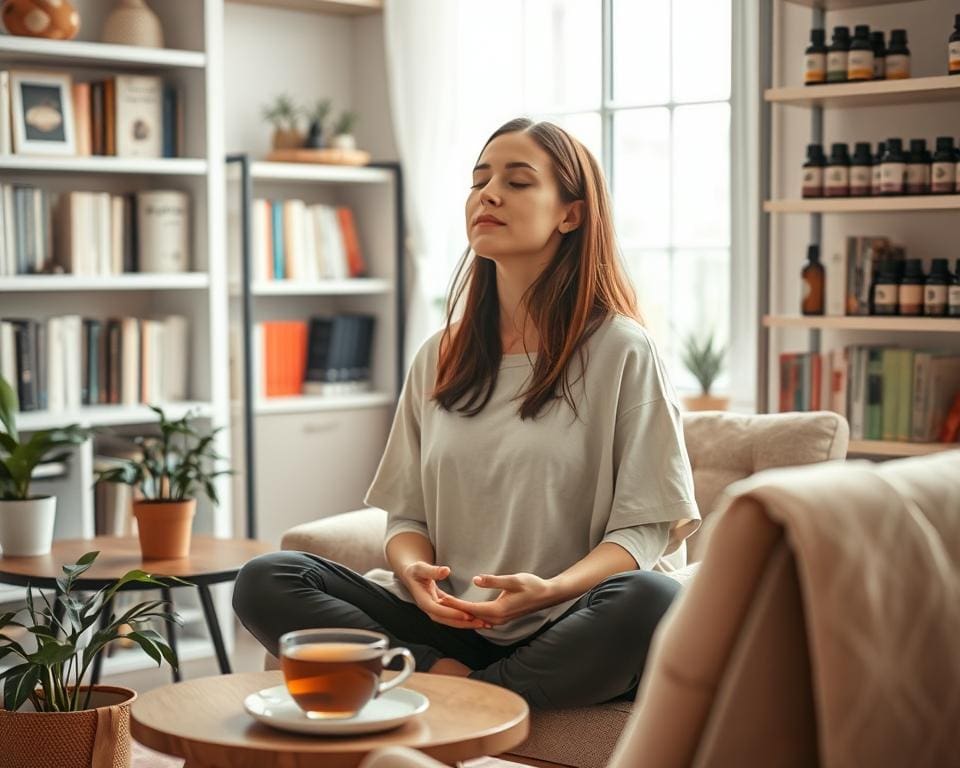
Small, repeatable actions can make a big difference to wellbeing. This article asks: How can simple self-care habits reduce stress and help people in the United Kingdom live with more calm and focus.
Self-care for stress relief means daily behaviours and choices that support physical, emotional and mental health. It includes sleep, hydration, setting boundaries and simple leisure, not just the occasional treat. Organisations such as Mind and the NHS encourage routine self-care as part of good mental health.
Stress is an adaptive response to perceived threats or demands. It involves the hypothalamic–pituitary–adrenal (HPA) axis and the sympathetic nervous system. When stress becomes chronic, it can disrupt sleep, worsen mood and raise cardiovascular risk.
This guide explains why modest routines work, offers practical morning, daytime, evening and weekly suggestions, and describes evidence-based stress reduction techniques you can build into everyday life. To explore relaxation exercises that complement these habits, see a concise guide on relaxation and breathing for stress relief at SuperVivo.
The aim is practical inspiration for busy people across the UK: reduce stress with simple habits you can keep up. Start small, be consistent and expect steady improvement rather than instant perfection.
How can simple self-care habits reduce stress?
Small, regular habits can change how the body and mind handle pressure. This short section outlines common causes of stress in UK life, the biology behind stress, and key pieces of research that show simple routines lower strain.
Understanding stress: causes and common triggers in daily life
Modern life brings many daily stress triggers. Work pressure, long commutes, financial worries and family responsibilities top the list. Constant connectivity by smartphone and major life events add extra strain.
The NHS and Mental Health Foundation note that repeated small hassles build up. Acute stress is short lived and can sharpen focus. Chronic stress lasts months or years and harms health.
How self-care interacts with the stress response system
Simple practices affect core physiology. Deep, slow breathing stimulates the vagus nerve and eases sympathetic arousal. Regular exercise alters HPA axis activity and boosts serotonin and endorphins.
Consistent sleep helps to regulate cortisol rhythms and stabilise mood. These actions together modulate the stress response system, moving people from a reactive state toward calmer balance.
Scientific evidence: studies linking simple routines to lower stress
Research on self-care and stress includes randomised trials and cohort studies. Brief mindfulness and breathwork interventions lower perceived stress and modify heart rate variability in trials.
Longitudinal work links moderate, regular activity with less anxiety and depression. Nutritional studies show hydration and steady blood sugar support mood stability. Meta-analyses on sleep hygiene report gains in mood and cognition.
Public Health England summaries and UK university research back up these findings. The pattern is clear: biological plausibility plus consistent small actions produces real effects.
- Takeaway: evidence-based self-care is low cost, practical and scalable for everyday life.
- Practical next step: try one 5-minute habit each day and build gradually.
Practical morning and daily self-care habits to lower stress
Start with gentle changes that fit your life. A concise morning self-care practice can calm the nervous system, steady your mood and make the rest of the day feel more manageable. Keep the steps short and repeatable so they become habits you actually keep.
Mindful morning rituals: breathwork and gentle stretching
Spend three to ten minutes on breathwork for stress. Try diaphragmatic breathing, box breathing or a 4-4-6 pattern to lower heart rate and reduce perceived stress. Research shows brief sessions can shift the body out of fight-or-flight.
If you have five to ten minutes, add gentle stretches or simple yoga poses to ease muscle tension and prime the nervous system. For time-poor mornings, practise two minutes of slow breaths while standing on the commute or waiting for the kettle to boil.
Nutrition and hydration: simple choices that support mood
Start with balanced foods that combine whole-grain carbohydrates, protein, healthy fats and fibre. Examples include porridge with fruit and nuts or eggs on wholemeal toast, which help to stabilise blood sugar and mood.
Hydration is central to feeling steady. Aim for regular water intake and be mindful of caffeine. Too much coffee can raise anxiety and disrupt sleep. Follow NHS guidance on healthy eating and sensible hydration to support daily resilience.
Micro-breaks and movement: integrating activity into a busy day
Regular short breaks restore attention and reduce strain. Take 1–5 minutes every 25–60 minutes for a stand, short walk or shoulder rolls. Use the 20-20-20 rule for eyes: every 20 minutes look at something 20 feet away for 20 seconds.
Occupational health research finds workplace microbreaks cut musculoskeletal discomfort and mental fatigue. Office workers can stand and stretch beside their desks, remote workers can pace during calls, and shift workers can use stair climbs at breaks to reset energy.
Digital boundaries: managing screen time to reduce cognitive load
Set clear rules to lower cognitive load. Try phone-free mornings and scheduled email checks, such as three set times each day. Use Do Not Disturb modes, app limits and notification management to protect focus.
Small actions work well: one tech-free meal, disabling non-essential alerts or 30 minutes off screens before bed. Studies link high screen time and social media use with increased anxiety and worse sleep. For practical support and digital detox tips see guidance on disconnecting and recharging.
Evening and weekly self-care practices to restore calm
Slow, intentional habits in the evening and across the week help the body and mind reset. A short wind-down routine, time for hobbies and tuned-in social contact can lower stress and sharpen focus for the days ahead.
Wind-down routines: sleep hygiene and relaxation techniques
Set consistent sleep and wake times to anchor your circadian rhythm. British NHS guidance recommends dimming lights an hour before bed and keeping the bedroom cool and quiet to aid sleep. Avoid heavy meals, nicotine and alcohol close to bedtime to reduce night-time awakenings.
Limit stimulating screens in the hour before sleep. Use relaxation techniques for sleep such as progressive muscle relaxation, guided imagery, calming breathwork and short mindfulness practices. Evidence shows that structured wind-down routines improve sleep quality and reduce late-night rumination.
For practical sleep hygiene tips UK residents can try: a warm bath ninety minutes before lights-out, lowering device brightness, and keeping phones out of the bedroom to protect restorative sleep.
Creative outlets and hobbies: emotional expression and recovery
Creative self-care gives the mind an alternative to worry. Simple activities like drawing, playing guitar, journalling, gardening or cooking help process feeling states and create small wins.
Arts-in-health research in the UK links regular creative engagement with lower stress and better mood. Choose low-cost, low-commitment hobbies and book a weekly slot for creative time to make progress without pressure.
Try a short, timed session of 20–40 minutes to keep it doable. Treat the activity as restorative, not performance-driven.
Social self-care: when to seek connection and when to set boundaries
Supportive relationships buffer stress. Regular check-ins with friends, family or community groups boost resilience. Volunteering and local clubs build belonging and purpose.
Know when to seek professional help. If stress feels overwhelming, contact your GP or NHS mental health services, or reach out to Mind helplines for guidance.
Boundaries protect energy. Learn to say no, delegate tasks and limit emotionally draining interactions. Balance contact with quiet time so social support restores rather than exhausts you.
Weekly reset practices to reduce load
A short weekly review cuts cognitive clutter. Plan meals, batch simple household tasks and schedule one longer walk or hobby session to recharge.
Savourable planning reduces weekday friction and leaves space for pleasure. Block a couple of hours for the things that sustain you and notice the steady benefit to mood and focus.
How to build sustainable self-care habits that stick
Start small and be consistent. Behaviour-change UK research and NHS-backed tips show that tiny, repeatable actions beat occasional big efforts. Use habit stacking by pairing a new habit with something you already do — for example, after brushing your teeth, drink a glass of water — and set a simple implementation intention: if X happens, I will do Y. This approach to habit formation for stress reduction favours steady progress over perfection.
Set SMART, compassionate goals and track them in a way that suits you: a phone app, a paper journal or calendar reminders. Celebrate small wins and treat lapses as information, not failure. When motivation dips, try a two-minute start or add a pleasant element so the activity feels rewarding. These steps help to build self-care habits that become part of daily life.
Design your environment to reduce friction: keep a water bottle on your desk, place trainers by the door, hide treats from sight and pre-pack lunches. Social accountability from a friend, colleague or local group boosts follow-through, and professional support can help when needed. Short delays, distractions and simple routines are powerful tools against impulsive stress-eating and reactive behaviour.
Think long term. Sustainable self-care strengthens resilience, lowering the frequency and intensity of stress reactions across work, family and leisure. Pick one morning habit and one evening habit to try for two weeks, keep them small and trackable, and consult practical resources such as this guide on mindful eating and routines for further ideas: how to avoid unhealthy eating habits. With repetition, habit formation for stress reduction becomes a reliable foundation for better mood, energy and purpose.