
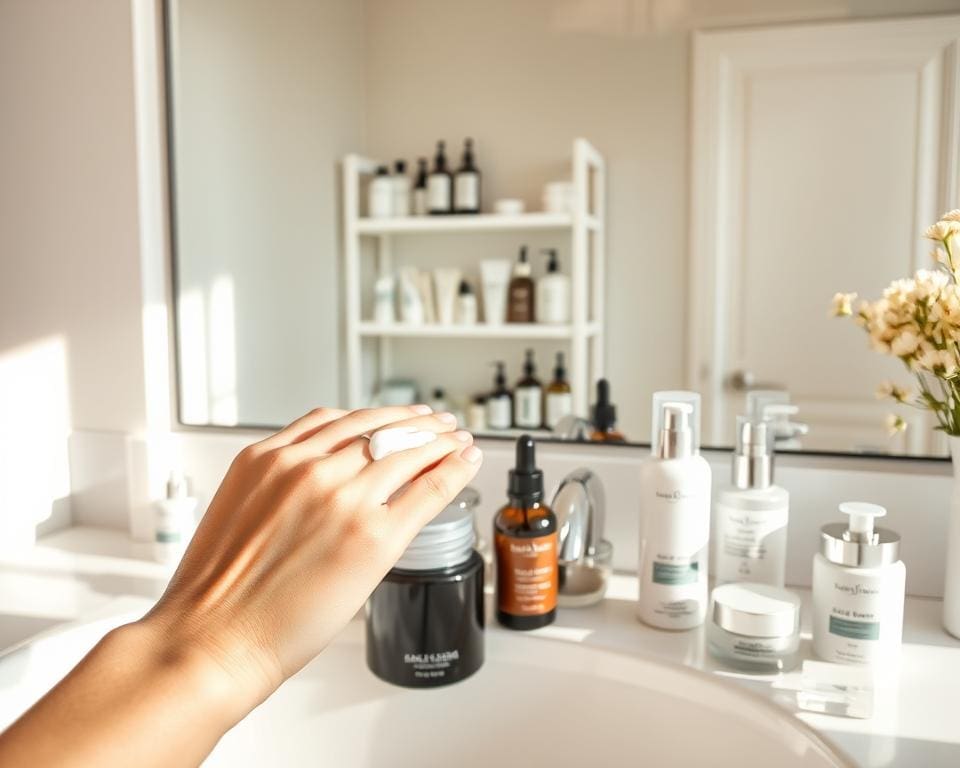
Simplifying your skincare routine is about choosing fewer, better products that deliver clear results. For busy parents and professionals, a streamlined approach saves time, cuts decision fatigue and reduces waste. It also lowers long-term cost by avoiding half-used tubs and duplicate serums, while shrinking environmental impact through less packaging.
Quality skincare benefits come from clinically backed actives and stable formulations. Ingredients such as hyaluronic acid for hydration, niacinamide for tone and vitamin C for brightening are proven to improve texture and radiance. Brands available in the UK like The Ordinary, La Roche-Posay and Paula’s Choice make these actives accessible with transparent concentrations and reputable manufacturing standards.
Dermatological consensus shows that consistent use of targeted actives produces measurable improvements in hydration, texture and tone, so you need fewer corrective steps. That is why minimalist skincare works: multifunctional formulas let you aim for radiant skin with fewer products without sacrificing efficacy.
This article will explore what “quality” really means for your skin, outline essential product categories that reduce steps, and show how to streamline morning and evening routines. For practical routines and seasonal tips that suit skincare for busy lifestyles, see a focused guide here: top skincare routines.
How can quality skincare simplify daily routines?
A clear view of what makes a product worth using saves time and frustration. The definition of quality skincare rests on ingredient transparency, clinically tested actives and pH-appropriate formulas that suit your skin type. Evidence matters more than packaging alone; look for proven actives such as retinoids, vitamin C, niacinamide and hyaluronic acid when you choose a routine.
Understanding what “quality” means for your skin
Quality changes with your concerns. Sensitive skin benefits from gentle, low-fragrance emulsions like La Roche-Posay Toleriane. Oily or acne-prone types do better with non-comedogenic, lightweight actives such as salicylic acid. Mature skin often prefers peptide and retinoid combinations that support firmness and renewal.
True quality shows in measurable outcomes. Clinical trials, stabilised formulations and clear concentrations tell you an active ingredient will work. Avoid relying on high price tags alone; brands such as CeraVe and Avene provide effective, evidence-based options for many skin needs.
Essential product categories that reduce steps
Focusing on essential skincare products cuts clutter while covering core needs. A gentle cleanser that does not strip the barrier sets a healthy base; syndet or cream gels are reliable choices. Pairing a good cleanser with a targeted serum can replace multiple niche items in many routines.
Sunscreen remains the single most important daily product because of its SPF importance in preventing photoageing. Choose broad-spectrum SPF 30–50 from trusted lines like La Roche-Posay Anthelios or high‑SPF options found at Boots.
An all-in-one moisturiser with actives such as niacinamide or peptides reduces the need for extra serums. Weekly chemical exfoliation with AHA or BHA can substitute for abrasive scrubs and improve texture efficiently.
How multifunctional formulas cut time without sacrificing results
Multifunctional skincare combines hydration, protection and targeted actives so you spend less time layering. Examples include moisturisers with peptides and hyaluronic acid, tinted SPFs with antioxidants and cleansing balms that remove makeup and cleanse in one step like Clinique Take The Day Off balm.
These options lower the risk of product incompatibility and pilling, encourage consistent use and streamline morning and evening rituals. Check that multifunctional products meet efficacy standards: ensure SPF is broad spectrum and actives are present at effective levels.
For busy days, consider cleanser-serum combinations and hybrid formulas that merge treatment with protection. Thoughtful choice of multifunctional skincare helps you build a concise, effective routine that you will keep using.
Practical habit tips turn simplicity into routine: keep water close, set reminders and link skincare steps to everyday rituals. For hydration as a lifestyle ritual, see a short guide at simple hydration routines.
Streamlining morning and evening routines with fewer, better products
Small, steady changes make routines manageable. A focused, minimalist morning routine protects skin and saves time. Start with a gentle cleanse or a splash of water if skin is dry. Follow with an antioxidant serum such as vitamin C, a lightweight moisturiser with hyaluronic acid or glycerin, and one of the best UK sunscreens with broad-spectrum SPF 30–50.
Creating a minimalist morning routine that protects and hydrates
Adopt a protection-first mindset. Sunscreen is non-negotiable. Antioxidants reinforce sun defence and pair well under SPF. For humid days choose quick-absorbing textures; for colder months pick richer creams.
Keep products visible and in order on the counter. Use pump dispensers or multi-use items like tinted moisturisers with SPF to shave minutes from your routine. For more habit ideas see practical morning tips.
Evening rituals that support skin repair using targeted quality ingredients
Nighttime is when skin repair ramps up. Start with a double cleanse if you wore makeup or SPF: an oil-based cleanser followed by a gentle water-based one. Apply targeted treatments such as retinoids or azelaic acid according to tolerance.
Retinoids speed cell turnover. Peptides boost collagen and ceramide-rich moisturisers restore barrier integrity overnight. Introduce a nighttime retinol routine slowly, one or two nights a week at first, and pair with a moisturiser to limit irritation.
Choosing products that layer well and prevent pilling
Pilling happens when textures clash, or when products are over-applied. Use the principle thin-to-thick and allow 30–60 seconds for each layer to absorb. Water-based serums should go under emulsions to avoid rolling.
Test new combinations on a small patch and start with small amounts. Brands with complementary ranges, such as CeraVe, La Roche-Posay and The Ordinary, tend to design formulations that layer without friction. These choices help layering skincare feel simple and reliable.
Choosing effective formulations and smart habits for lasting simplicity
To choose skincare formulations that truly work, read product labels with care. Prioritise ingredients with clinical backing and clear concentrations where provided. Cosmetic labelling understanding helps you spot whether vitamin C is stabilised, or if a retinoid comes in an opaque, airtight container—details that affect stability and performance.
Think about pH and delivery systems when you decide how to simplify skincare. AHAs and BHAs need specific pH ranges to be effective, and encapsulated retinol can reduce irritation while delivering benefits. These formulation tips make it easier to build a long-term skincare routine that relies on a few potent items rather than many uncertain ones.
Adopt sustainable skincare habits to preserve results and reduce waste. Track progress over 6–12 weeks, rotate products instead of accumulating them, and swap textures for seasonal changes. Store actives like vitamin C and retinoids in cool, dry places away from sunlight to prolong efficacy and keep costs down.
Know when to seek professional advice to simplify further. A GP or dermatologist can recommend prescription options such as tretinoin or azelaic acid that often replace multiple over-the-counter products. Pair targeted clinical care with carefully chosen brands like The Ordinary or Paula’s Choice to balance concentration, cost-efficiency and evidence-based formulation—making a simpler, more effective routine achievable for the long term.