
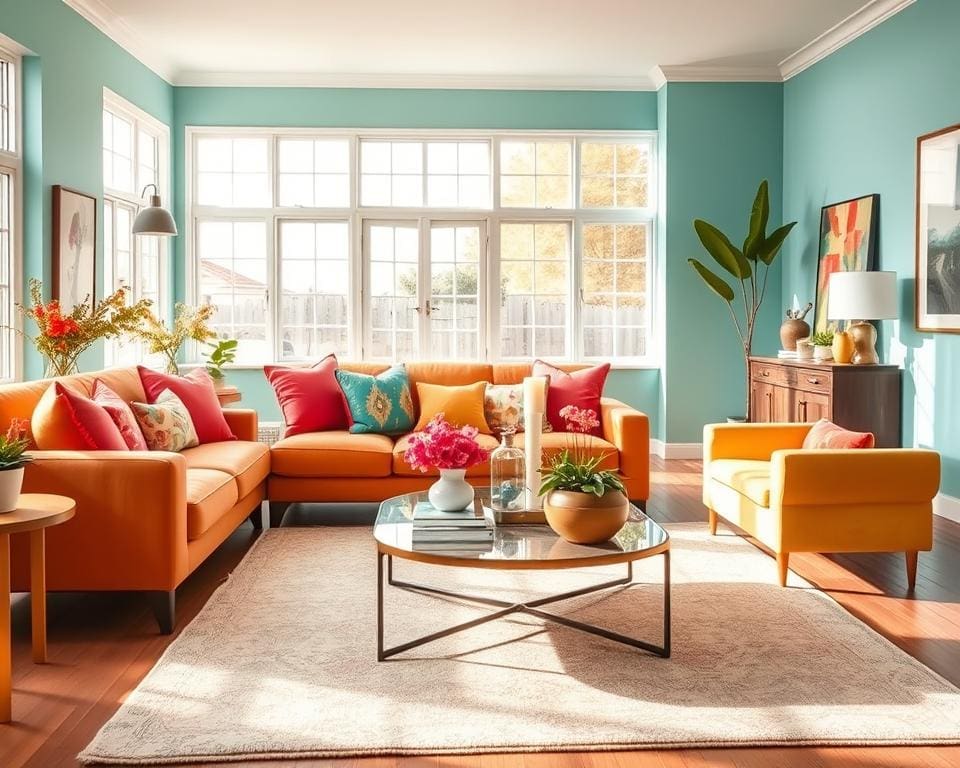
Paint transformation is one of the most immediate ways to change a home’s character. A fresh coat can alter mood, perceived temperature and the way light behaves, giving a room new life without major expense.
Research into colour and home shows that hues influence emotion: blues and greens soothe, terracotta and ochre feel cosy, and bright yellow energises. Saturation and brightness control how strong those effects feel, so small choices make a big difference.
Interior paint benefits extend to resale prospects. Neutral but modern tones such as sage, soft greys or warm whites often appeal to buyers and can raise perceived value more cost-effectively than structural work.
Changing paint is accessible. Homeowners can test sample pots and try tester patches before committing, which makes paint for living rooms UK a low-risk way to experiment and refine a scheme.
Sustainability and health matter too. Low‑VOC and water‑based emulsions from brands like Farrow & Ball, Dulux and Johnstone’s cut odour and indoor pollutants, aligning paint choices with eco-friendly renovations.
Ultimately, paint is both practical and expressive — a tool for personalising space, improving wellbeing and creating a lasting impression.
How can paint transform a living space?
Paint can change how a room feels in moments. A fresh hue shifts the mood with paint, turning a bland area into something warm, dramatic or restful. Small choices in tone and finish guide how you move through a house and how light plays across walls.
Instantly altering mood and atmosphere
One coat can make a space feel intimate or airy. Choose navy or deep green for a dramatic, sophisticated lounge. Select soft greys and warm whites for calm, minimalist rooms. Pastel blues and greens suit restful bedrooms.
Tonal choices matter. Hue, saturation and value work together. Muted tones read as refined and quiet. High‑saturation colours feel playful and energising. In the UK, seasonal light shifts are important; shorter, diffused winter daylight benefits from warmer or higher‑value colours to keep the paint atmosphere inviting.
Defining zones and improving flow
Colour is a simple way to define areas without building walls. Use a consistent palette across an open plan, with accent tones to mark a dining space. Contrasting but complementary hues will separate kitchen and lounge while keeping open‑plan flow intact.
Paint trims, doors and skirting in a contrasting shade to create continuity or deliberate separation. Painting an island or kitchen cabinetry a bold colour anchors the space. In typical UK homes, a hallway painted in a complementary tone leads the eye and links rooms. Painted spindles or risers can tie floors together visually.
Perception of space and light
Pale, warm neutrals and light‑reflective paints help small rooms feel larger and brighter. Dark colours on all walls create a cocooning sense for intimate spaces. Finish choice changes perception: eggshell or satin reflects more light than matt, so these sheens suit dim rooms, while matt hides surface imperfections better.
Window orientation alters colour behaviour. North‑facing rooms often need warm, light‑reflective shades. South‑facing rooms cope with cooler or more saturated hues because of stronger sun. Test with pots at different times of day to see real shifts in paint and light perception. For compact spaces, follow small room colour tips UK: choose light, warm tones and test samples in situ.
Practical techniques and colour strategies for lasting impact
Selecting the right paint and applying colour with intent will lift a room from ordinary to memorable. This short guide covers finishes, creative treatments and how to pair colour with fabrics and furniture so results last and feel cohesive.
Choosing the right finish and paint quality
Start by matching finish to function. Matt emulsion hides small imperfections and suits ceilings and adult bedrooms. Eggshell offers a low-sheen look that works well in living rooms. Satin or soft sheen gives resilience for kitchens and bathrooms. Use gloss for doors, skirtings and trims where easy cleaning matters.
Buy from trusted UK manufacturers such as Dulux, Farrow & Ball, Johnstone’s or Little Greene to ensure the best paint quality. Choose a high-quality emulsion and the correct primer or undercoat. New plaster, bare surfaces and dramatic colour changes benefit from a sealed, primed base to ensure even coverage and long life.
Most jobs need two coats of good emulsion over a primed surface for uniform colour and washability. Look for low- or zero-VOC options to reduce odour and indoor pollutants. Many brands now offer sustainable ranges that match performance with healthier indoor air.
Accent walls, colour blocking and feature ceilings
An accent wall can create a focal point behind a fireplace, bedhead or media unit. Choose a deeper or contrasting hue when you want drama. Avoid using an accent wall when the space is already busy; it can feel overwhelming in small rooms.
Colour blocking interiors lets you sculpt perception. Vertical bands make ceilings feel higher. Horizontal bands widen a room visually. Keep compositions simple and test with sample boards to avoid jarring transitions.
Painting feature ceilings is a growing trend. A ceiling in a slightly darker or complementary tone adds depth and mood. Satin finishes work well on ceilings where some reflection and durability are needed.
Use the 60:30:10 rule to balance dominant, secondary and accent colours. This keeps schemes calm and visually pleasing while leaving room for bold moments.
Combining colour with furnishings and textures
Consider undertones when pairing paint and furnishings. Warm oak pairs best with warm neutrals and olive greens. Cool greys suit chrome, slate and navy accents. Look at fabrics and flooring in different light to ensure harmony.
Mix matte paint with glossy or metallic accessories to add contrast. Textured wallpapers and fabric panels work well alongside painted trims or ceilings for layered interest.
Lighting transforms colour. Test palettes under the lamps you will use at night. Warm bulbs bring out cosy tones. Cool bulbs sharpen cool shades and make contrasts crisper.
Plan for change by choosing flexible base colours and introducing bold accents through soft furnishings. This approach saves time and money when tastes shift, while still benefiting from durable paints UK that stand up to daily life.
Practical preparation, application and maintenance for UK homeowners
Good paint preparation UK starts with clean, dry walls. Remove grease and dust using sugar soap or a proprietary cleaner, scrape away flaking paint and fill cracks with a suitable filler. Sand repaired areas smooth and, for new plaster, allow full drying time—typically two to six weeks—before applying a mist coat or primer. A clear tools checklist (rollers, extension poles, quality brushes, painter’s tape, trays, sandpaper, filler and sample pots) makes the job quicker and neater.
Plan and protect. Wear protective clothing, use dust sheets and ensure adequate ventilation when using VOC-containing products. When learning how to paint walls, cut in edges with a brush and roll large areas from top to bottom, keeping a wet edge to avoid lap marks. Follow manufacturer guidance on undiluted top coats and respect drying times shown on product data sheets to achieve a smooth finish.
Consider seasonal painting advice for British conditions. Avoid very cold or very humid days; ideal indoor temperatures are generally 10–25°C. For exterior work pick dry spells and heed minimum drying times. Quality control is easier if you inspect for runs or missed spots while paint is still tacky and correct promptly, using ventilation to aid curing and reduce odour.
For lasting results, adopt simple paint maintenance routines. Clean walls with a soft cloth and mild detergent and pick scrubbable paints for hallways, kitchens and bathrooms. Keep a small pot of leftover paint for touch-ups, as colours age over time. Dispose of excess paint responsibly through local household waste recycling centres or community reuse schemes. With proper preparation, the right products and basic upkeep, decorating tips UK become practical steps that deliver immediate uplift and long-term satisfaction.