
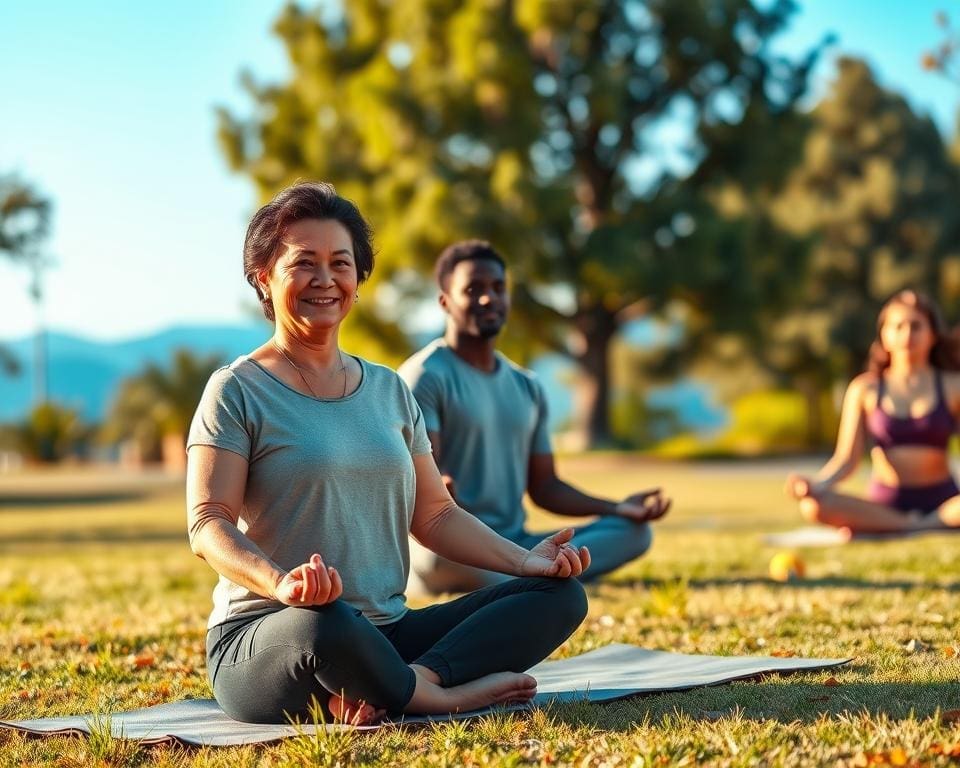
Meditation offers a clear, evidence-based route to calmer days. Research summaries and guidance from organisations such as the National Institute for Health and Care Excellence (NICE) and peer-reviewed meta-analyses show that regular practice can lower perceived stress and improve mental wellbeing. This section explains how meditation benefits people in the United Kingdom and what to expect from simple, practical approaches.
At its core, meditation includes practices such as mindfulness meditation, focused-attention, loving-kindness, breath awareness, guided meditation and movement-based methods like mindful walking and yoga. These range from formal, seated sessions to brief micro-practices you can use while commuting or between meetings. Understanding this scope helps readers choose techniques that fit busy lives.
Why does this matter for UK adults? High work demands, urban living and rising anxiety reported in NHS statistics make stress relief techniques essential. Meditation needs no special equipment and can be adapted to minutes a day, making it an accessible way to reduce everyday stress and build resilience.
Readers can expect practical outcomes: immediate calming methods, a simple explanation of the physiological and psychological mechanisms, and easy exercises to use throughout a hectic day. For further practical guidance and examples, see this concise resource on meditation for stress and focus by Supervivo: meditation for stress relief and focus.
How can meditation reduce everyday stress?
Meditation offers a practical path from fraught moments to clearer thinking and calmer physiology. Short, regular practice can shift the body away from a persistent stress response and help the mind recognise unhelpful thought patterns. Below are three focused angles that explain how these changes happen and what to expect when you begin.
Physiological effects of meditation on the stress response
The autonomic nervous system governs how the body reacts to threat. Stress activates the sympathetic “fight-or-flight” branch, raising heart rate, blood pressure and cortisol levels. Regular meditation stimulates the parasympathetic “rest-and-digest” system, lowering heart rate and blood pressure and promoting a state of physiological calm.
Clinical studies report measurable cortisol reduction and improvements in heart-rate variability after sustained practice, which point to stronger vagal tone and resilience to stressors. Neuroimaging work from institutions such as University College London shows reduced amygdala reactivity and greater prefrontal cortex activity in people who practise mindfulness, reflecting improved emotional regulation.
These shifts matter for long-term health. Lowered stress markers reduce risk factors linked to hypertension, cardiovascular disease and impaired immune function, making meditation a simple complement to other prevention strategies.
Psychological mechanisms that ease everyday worries
Meditation trains attention. Practices that focus on breath or body sensations build attentional control and cut down rumination, the habit that feeds anxiety. That training helps people stay present rather than chase repetitive worries.
Mindfulness psychological mechanisms encourage observing thoughts without immediate reaction. This supports cognitive reappraisal and acceptance-based coping, which replace suppression or avoidance. Over time, practitioners gain a pause between stimulus and response, so choices are calmer and less impulsive.
Compassion practices cultivate a kinder inner voice. Self-compassion reduces self-criticism and softens the perceived impact of daily setbacks. Social benefits follow, with fewer reactive conflicts, better sleep and more engagement in healthful behaviours that further lower stress. For practical relaxation tips, see this relaxation guide.
Immediate vs long-term stress reduction benefits
- Immediate effects: Short sessions of one to ten minutes can lower breathing rate, create a sense of groundedness and reduce subjective stress. These moments are useful before meetings, during commutes or at bedtime.
- Short-term courses: Eight-week programmes such as MBSR or MBCT typically show reductions in perceived stress, anxiety and depressive symptoms that often last at follow-up assessments.
- Long-term outcomes: Regular practice over months and years produces neuroplastic changes, including greater cortical thickness in attention and sensory regions. These changes underpin durable improvements in stress reactivity and resilience.
Expectations should be realistic. Results vary with practice frequency, chosen techniques and how well meditation fits into daily life. Meditation complements clinical care when severe anxiety or stress-related disorders are present rather than replacing it.
Practical meditation techniques to manage day-to-day stress
Simple practices can steady the mind when life feels busy. This section offers clear, accessible methods you can use at home, at work, or on the move. The aim is to make practical meditation techniques part of a daily routine so calm becomes easier to find.
Mindfulness meditation for present-moment calm
Begin by finding a comfortable posture, sitting or standing. Soften the shoulders and bring attention to the breath or bodily sensations. Notice thoughts as they arise and gently return attention to the chosen anchor without judgement.
Use this simple 10-minute script: settle for one minute, scan the body for two minutes, follow the breath for five minutes, observe thoughts for one minute, then close with an intention to carry calm into the next activity. This format supports beginners and fits well into a morning routine.
Common obstacles include mind-wandering and impatience. Label thoughts briefly, set a timer, and practise at the same time each day to build momentum. Short sessions add up; for more ideas see a practical guide like Mindfulness Techniques for Daily Calm.
Breath-based practices for instant relaxation
Breath work links physiology and mind. Slowed diaphragmatic breathing calms the nervous system by engaging the vagus nerve and triggering a parasympathetic response. Practise with gentle posture and relaxed shoulders.
- Box breathing: inhale 4, hold 4, exhale 4, hold 4.
- 4-7-8 breathing: inhale 4, hold 7, exhale 8.
- Diaphragmatic breathing: breathe into the belly, not the chest.
- Coherent breathing: aim for about 5–6 breaths per minute for steady calm.
Use these techniques during acute stress, before a presentation, or to aid sleep. Avoid over-breathing; stop if you feel lightheaded. People with respiratory or cardiac issues should consult their GP before trying new breath routines.
Guided and movement meditations for accessibility
Guided narration helps when the mind is busy. Popular resources include Headspace, Calm, NHS Every Mind Matters and mindfulness.org.uk. Local charity courses and workplace wellbeing schemes often provide free options. Guided meditation UK resources can make starting easier for many.
Movement practices suit those who find sitting still hard. Try mindful walking, gentle yoga or tai chi. For mindful walking: attend to each footfall, notice sensations, and observe the environment without judgement.
Short, chair-based meditations support limited mobility. Audio or video guidance helps visual and auditory learners stay engaged.
Integrating short meditations into a hectic day
Micro-practices keep calm within reach. Try 1–5 minute routines: a quick breath check, three deep breaths before a task, a lunchtime body scan, or a mindful tea ritual. These short meditations for busy people fit into tight schedules.
Tie practice to daily cues such as after brushing teeth, during a public-transport commute, or before lunch. Use calendar blocks or phone reminders to protect practice time. In the office, discrete options include box breathing at your desk or a mindful pause before meetings.
Track progress with brief notes on mood and stress before and after practice. That record helps reinforce benefits and keeps motivation strong.
Making meditation a sustainable habit to prevent recurring stress
Building a sustainable meditation practice begins with small, consistent actions. Habit science shows that micro-goals—two minutes of breath awareness each morning—create neural pathways that make the behaviour easier over time. Use SMART intentions: decide a specific daily breath practice, measure minutes practiced, keep the goal achievable, link it to stress reduction, and set a four-week time frame to build momentum.
Create a supportive environment that removes friction. Designate a quiet, clutter-free corner with a cushion or chair, keep a timer or an app to guide sessions, and put your phone on Do Not Disturb. Social support matters: try local community classes or workplace mindfulness sessions, or join the Mindfulness UK Network for accountability and shared motivation.
Track progress with simple tools and plan for common barriers. Apps with streaks, a basic habit tracker or a daily stress rating (scale 1–10) reveal gradual gains and feed long-term mindfulness. If boredom or lack of time arises, vary techniques, shorten sessions, try guided meditations or partner up for checks. If stress is severe or persistent, consult a GP or mental health professional, noting that meditation complements clinical care rather than replacing it.
Embed practice into daily life to prevent relapse and deepen benefit. Periodic refreshers such as MBSR or MBCT, themed practices in compassion or resilience, and mindful routines at meals or during conversations turn meditation into a lens for living. These meditation routine tips help sustain calm, improve sleep and relationships, and, over months and years, reduce the return of everyday pressure. For practical guidance on combining mindful movement and breath work, see this resource on how yoga can support focus and stress relief: mindful yoga and breath practices.