
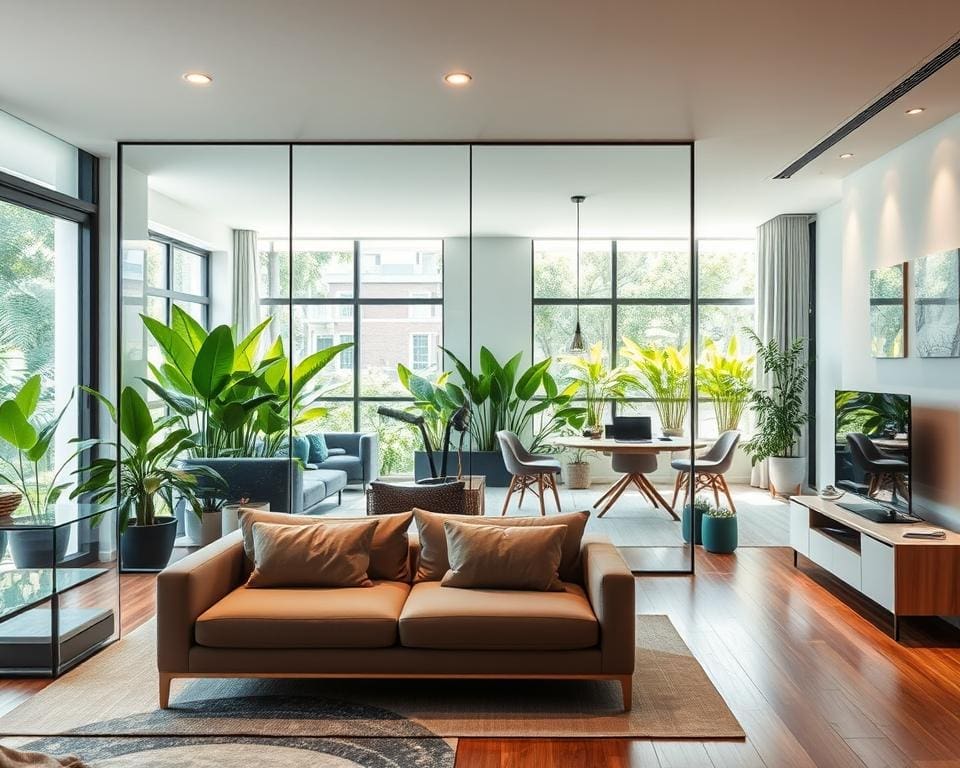
Glass partitions for homes are a simple yet powerful way of modernising living spaces with light, sightlines and flexibility. These architectural elements divide rooms without losing the benefits of open-plan living, so families can create distinct zones for work, rest, cooking and entertaining while keeping spaces visually connected.
At their best, open-plan glass walls and contemporary home glazing boost natural light, make rooms feel larger and deliver a clean, modern aesthetic. Choices range from framed screens and sliding systems to frameless, full-height glazed walls, with both structural and non-structural options available to suit new builds and older properties alike.
For UK homeowners and designers, glass partitions matter now more than ever. Rising demand for home working, the need to adapt period properties sensitively, and a taste for minimalist finishes in new builds mean that glass can be both a practical and stylish solution. Planning, conservation areas, party-wall matters and listed building rules will affect specific projects, so the following article sets out a practical, design-led guide covering aesthetic, technical and regulatory considerations.
How can glass partitions modernise living spaces?
Glass partitions lift ordinary rooms into bright, flexible spaces. They let light pass while defining zones, support energy goals and add a refined aesthetic. Below are practical ways homeowners and designers can use glass to reshape interiors.
Opening up interiors with transparent zoning
Transparent zoning with glass means using clear or lightly detailed glazing to mark out functions without cutting sightlines. A frameless glass partition can separate a home office from a living room while keeping the visual connection intact.
Consider slim-profile metal frames in black steel or bronze to create a Crittall-style look. Sliding or folding glazed screens and glazed pocket doors give flexibility on busy days. Full-height walls feel generous; half-height options offer acoustic separation while keeping openness.
Maximising natural light and energy efficiency
Natural light maximisation improves mood and makes spaces feel larger. Good daylight reduces the need for electric lighting and helps maintain healthy circadian rhythms.
For the UK climate, check U-values, Solar Heat Gain Coefficient and Light Transmittance when specifying units. Double- or triple-glazed laminated units with low-emissivity coatings and argon or krypton fills balance warmth with clarity. Properly chosen energy-efficient glazing reduces heat loss and lessens reliance on artificial heating and lighting, provided the overall insulation strategy prevents thermal bridging.
Contemporary aesthetics and design versatility
Contemporary glass design suits many schemes. Minimalist frameless glass complements Scandinavian interiors. Black-framed glazing channels an industrial, loft-style character that pairs well with timber and stone.
Frosted or patterned glass gives soft privacy. Tinted panes add an accent colour. Homeowners can specify bespoke etched motifs, integrated blinds between panes or switchable privacy glass using electrochromic or PDLC technology. Acoustic laminates enhance sound control while preserving style.
Leading UK manufacturers such as Crittall Windows, Sky-Frame and Schüco supply high-quality systems that designers often combine with metal and timber to create layered, warm interiors.
Practical considerations for choosing glass partitions
Choosing the right glass partition blends safety, comfort and longevity. Think about how a scheme will perform day to day, not just how it looks. Early consultation with a structural engineer and building control saves time and prevents costly changes later.
Safety standards and building regulations in the United Kingdom
Glazing in critical locations must meet British Standards such as BS EN 12150 for toughened glass and BS EN 14449 for laminated glass. Parts of the Building Regulations, notably Part K and relevant access or guarding sections, set out where safety glazing is required.
Safety glazing is essential for doors, low-level panes and partitions next to circulation routes. Marking requirements and fire-rating rules apply when partitions contribute to compartmentation. Where fire-rated glazing is needed, specify products that meet BS 476 or BS EN 1634.
Always check with the local authority or building control if works affect escape routes or structural elements. Accredited installers and certified products help demonstrate compliance with UK building regulations glass partitions.
Acoustic performance and privacy solutions
Glass transmits sound differently from solid walls. Use acoustic metrics such as the Sound Reduction Index (Rw) to compare systems. Laminated glass with acoustic interlayers and double-glazed units with varied pane thicknesses boost attenuation.
Practical privacy options include frosted or acid-etched glass, ceramic frits and switchable privacy glass. For rooms that need higher sound isolation, consider specialist acoustic glass solutions and sealed frames. Soft furnishings, mass-loaded curtains and sealed door thresholds help where glass alone cannot reach the required performance.
Installation, maintenance and long-term durability
Accurate site measurement and allowance for tolerances are critical. Decide between top-hung and floor-supported systems early. New builds may need movement joints and drainage details. Coordinate electrics when integrating blinds or smart glass.
Use accredited installers and request BSI Kitemark evidence plus manufacturer warranties. Regular glass partition maintenance keeps systems working well. Clean with non-abrasive, pH-neutral cleaners. Lubricate hinges and tracks, inspect seals and gaskets, and re-seal glass-to-frame joints every few years where needed.
High-quality laminated or toughened units can last for decades. Glass resists corrosion but hardware may need replacement over time. Budget for periodic upkeep of mechanical components to preserve durable glazing systems and to extend the life of your investment.
Design ideas and practical applications for modern homes
Full-height glazed partitions are ideal for living and entertaining zones. A kitchen glass partition can separate an open-plan kitchen and dining area while keeping sightlines clear. Choose frameless panels for a seamless look or black-framed panels to add graphic geometry that suits industrial and contemporary interiors. Sliding glass pocket doors give flexibility for dinner parties or family movie nights without interrupting flow.
For remote working, a home office glass wall creates a connected but distinct workspace. Use clear or lightly frosted glass for visual privacy and pair acoustic laminated glass with door seals to improve concentration. Integrate cable routes and power sockets within frames and consider independent HVAC zoning so the study remains comfortable without disturbing other rooms.
Bedrooms and bathrooms benefit from softer glazing choices. A bedroom glass screen or frosted panels can define an en-suite or walk-in wardrobe while admitting morning light. In compact homes, half-height glazed screens define sleeping areas without closing them off; sliding glazed walls let a bedroom convert quickly into a guest room or nursery. Always specify laminated and toughened glass for wet zones, use marine-grade fixings in humid spaces and ensure adequate ventilation.
Trend-led modern home glazing applications include switchable glass for instant privacy, backlit frosted panels for ambient lighting and integrated shelving or planters in frames for biophilic impact. Combining glass with timber or metal mullions creates bespoke focal points. Work with an interior designer or specialist glazing firm to tailor solutions that meet structural and regulatory requirements and deliver a light-filled, practical home.