
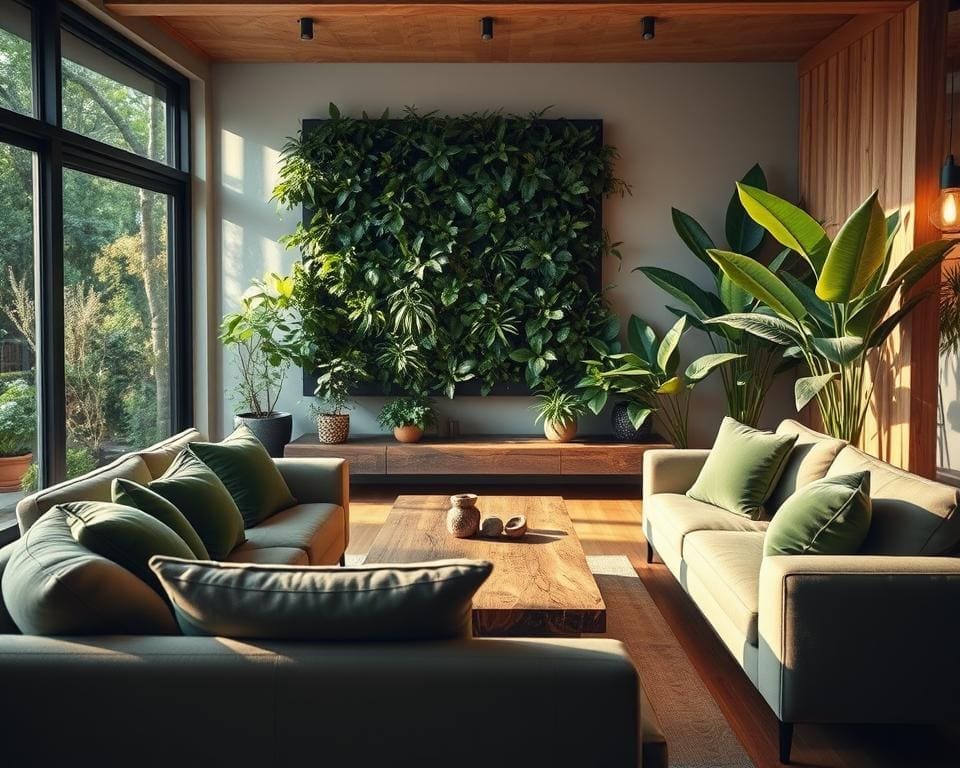
Biophilic design reconnects people with nature through thoughtful architecture and interior choices. It asks a simple question: how can biophilic design improve wellbeing at home? The idea is to bring daylight, plants and natural materials into living spaces so mood lifts, stress falls and physical health is supported.
The term biophilia was popularised by biologist Edward O. Wilson, and designers such as Stephen Kellert and consultancies like Terrapin Bright Green have shaped how the approach is used today. In the UK, interest in nature in interiors has grown fast as urban living tightens and people seek greater home wellbeing UK-wide.
This article defines core principles, summarises evidence-based benefits, and shows practical ways to add biophilic design to flats, terraces and semis. It covers simple interventions for tight budgets and small outdoor space, plus seasonal and climate-aware choices suited to the British context.
It is written for homeowners and renters who want accessible, inspirational guidance on improving wellbeing at home. The next sections will explain the principles and research, offer hands-on tips for light, plants and materials, and suggest strategies for upkeep and measuring long-term impact.
How can biophilic design improve wellbeing at home?
Biophilic design brings nature into daily life through intentional choices that help people feel calmer, clearer and more connected. This short guide explains the definition of biophilia, traces biophilia origins and shows how core biophilic design principles translate to homes across the UK. It sets out practical benefits such as reduced stress and improved mood, and points to real-world evidence and case studies that show measurable wellbeing outcomes.
Understanding biophilic design and its principles
The definition of biophilia frames it as a human tendency to seek connection to nature. Edward O. Wilson first described this idea and teams at Terrapin Bright Green and the International Living Future Institute shaped those ideas into practice. Biophilic design principles include maximising natural light and views, using timber and stone, adding plants and water features, and introducing biomorphic patterns and fractal geometry.
In homes, simple moves deliver prospect and refuge: place seating to face windows, create small cosy nooks and use natural textiles such as wool and cotton. For north‑facing rooms in the UK, light‑colour schemes, mirrors and reflective surfaces help boost daylight. Compact living walls, balcony planting and scaled water features bring living systems into small spaces.
Psychological and physiological benefits
Research shows the health benefits of nature extend beyond good feeling. Exposure to natural light supports circadian rhythms and leads to sleep improvement for many people. Contact with plants and views of greenery produce cognitive benefits: better attention restoration, improved memory and higher creativity for homeworkers and students.
Clinical and environmental psychology studies report reduced stress through lower cortisol and heart‑rate responses. Those same studies show improved mood and lower anxiety when occupants spend regular time in naturalised interiors. Measurable changes include lower physiological stress markers, improved blood‑pressure readings and faster recovery in healthcare settings.
Real-life examples of wellbeing improvements
UK case studies and case studies from offices and homes show clear wellbeing outcomes. Retrofitted London flats that improved daylight penetration and added indoor planting reported enhanced occupant satisfaction and fewer reports of stress.
In Manchester, conversions that used timber finishes and living walls noted better staff morale and reduced absenteeism. NHS pilots that introduced nature‑based interiors recorded faster patient recovery and higher satisfaction scores. These projects underline that integrated design, not token gestures, delivers the strongest gains.
Typical feedback from occupants highlights feelings of calm, a stronger connection to nature and improved concentration for homeworking. Practical lessons from these examples stress regular upkeep, selecting plant species suited to indoor light levels and embedding nature into daily routines to secure long‑term benefits.
Practical ways to introduce biophilic elements into your home
Bring nature into daily life with simple, practical choices that enhance wellbeing. Focus on light, plants, materials and sensory detail to create rooms that feel calm, warm and alive. The suggestions below help you maximise natural light and create clear views to outdoors while using houseplants for UK homes and tactile finishes that invite touch.
Bringing in natural light and views
Prioritise window placement where possible by siting seating and workspaces close to openings. Use sheer curtains to diffuse daylight and replace heavy drapery with lighter options to increase daylight without glare.
Use mirrors for light to bounce daylight into darker corners. Position mirrors to reflect sky and garden views and use gloss or satin finishes sparingly to amplify brightness.
Adopt light-colouring strategies with pale, warm neutrals in matte or low-sheen paints to enhance perceived light under typical UK sky conditions. Arrange furniture to maintain sightlines, prune garden plants near windows and use balcony planting to create seasonal living views.
Incorporating plants and living systems
Choose indoor plants UK owners find reliable. Low-maintenance plants such as Sansevieria (snake plant), Aspidistra, Pothos, ZZ plant and spider plant suit many British interiors and tolerate lower light.
Use appropriate potting mix, check watering frequencies and match plants to light requirements. Group pots to form humidity microclimates and pick herbs for sunny windowsills, such as basil and rosemary where light allows.
Consider vertical gardens and living walls from UK suppliers for balconies or interior partitions. Modular systems simplify irrigation and maintenance. For water lovers, small aquascaping features or tabletop fountains add calming soundscapes and a subtle humidity boost.
Watch for pests like aphids and fungus gnats. Avoid cold draughts and excessive central heating; move plants seasonally and inspect soil health regularly.
Using natural materials and textures
Choose natural materials such as oak, ash, reclaimed softwoods and natural stone for long-term tactile warmth. Timber interiors pair well with cork floors and wool rugs to replace synthetic alternatives.
Look for sustainable sourcing from British and European suppliers, FSC-certified timber and low-VOC finishes. Use linen, jute and natural fibres for soft furnishings to bring texture and durability into everyday use.
Introduce stone or slate trays in kitchens and bathrooms and select furniture with curved, ergonomic forms inspired by biomimicry. Add fractal patterns in wallpapers, tiles or textiles to echo natural repetition and calm the eye.
Designing for multisensory experiences
Plan for sight, sound, scent and touch. Use recordings of rain or birdsong and gentle water features to create layered soundscapes that soothe without overwhelming compact UK homes.
Bring scent from natural sources such as lavender, jasmine or fresh herbs. Use essential-oil diffusers with natural blends while ensuring good ventilation to protect indoor air quality.
Choose tactile finishes like untreated wood and textured ceramics to invite touch. Manage thermal comfort with subtle temperature and humidity variation; humidifiers or grouped plants can counter dry central heating.
Blend indoors and out with folding doors, planted balconies and materials that echo exterior stone or timber to strengthen the indoor-outdoor transition and make each room feel part of a living landscape.
Design strategies and tips for lasting wellbeing benefits
Start by zoning your home into clear restorative zones, social areas and private retreats positioned to make the most of light and garden access. Place a quiet reading nook by an east-facing window, create dining spaces with direct sightlines to outdoor planting, and reserve a small room or screened corner for focused work or evening unwinding. These spatial choices set the foundation for flexible design that adapts as seasons change.
Choose adaptable furniture and layouts to respond to seasonal adaptation: fold-away desks, movable planters and modular seating allow you to chase winter sun or open up for summer breezes. Rotate potted species and switch plant placements with the seasons to keep visual interest and align with daylight and temperature shifts. Practical plant care UK routines — simple watering regimes, light fertilising, pruning and winter protection for balcony pots — will help plants thrive year-round.
Prioritise sustainable materials and durable options that age gracefully. Engineered oak, natural stone and wool textiles offer long life and tactile warmth, while certifications such as FSC, PEFC and the Responsible Wool Standard signal ethical supply. For budget-friendly biophilia, begin with potted herbs, second-hand timber furniture or DIY plant shelves and scale up to living walls or irrigation systems when funds permit. Clear maintenance tips and schedules reduce long-term cost and keep spaces restorative.
Measure impact and refine design with both simple and objective methods. Keep mood tracking journals and sleep monitoring logs alongside periodic self-assessments to track wellbeing changes. Complement these with air-quality monitors and light meters to assess circadian lighting improvements. When projects become complex, seek professional consultation from registered garden designers, interior designers with biophilic experience or horticulturalists. Implement small changes, review results, gather household feedback and refine design to sustain benefits as part of everyday life.