Bespoke furniture can transform a house into a home. Made-to-measure furniture and bespoke joinery do more than fill space; they reflect personality, provenance and daily life. This introduction outlines why bespoke pieces matter and what to expect from the rest of the article.
By definition, bespoke furniture is crafted to individual specification by designers and skilled craftsmen. It differs from custom furniture UK offers and standard made-to-measure furniture in that bespoke implies unique design input and artisanal manufacture rather than simple size adjustments.
In the UK market, demand for personalised interiors is rising. Smaller urban flats, Victorian terraces and listed buildings often need tailored solutions. British workshops and independent studios are combining traditional joinery techniques such as dovetail and mortise-and-tenon with contemporary thinking to meet that need.
Beyond style, bespoke pieces deliver practical gains: optimised storage, improved ergonomics and a perfect fit for awkward spaces. They also carry an emotional value, telling stories of travel, family and craft. When well made, bespoke furniture becomes a long-term investment in both comfort and value.
The rest of this article explores how bespoke solutions express individual style and create memorable focal points, the practical design process including collaboration, materials and sustainability, and finally styling tips and real-life examples to help you personalise interiors with confidence.
How can bespoke furniture personalise interiors?
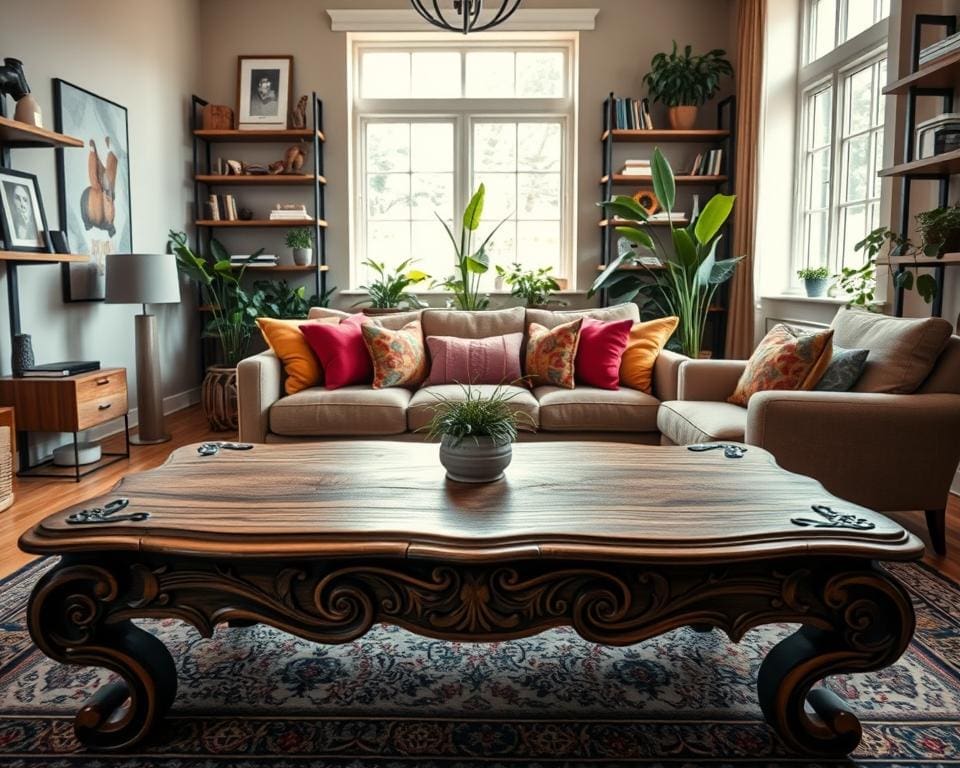
Custom furniture offers a direct route to personalise interiors by matching scale, silhouette and finish to a homeowner’s taste. A hand-distressed oak dining table finished in liming wax reads very differently to a streamlined lacquered media console with integrated cable management. Choices in proportion and material let a room feel wholly intentional.
Expressing individual style through custom pieces
Bespoke pieces allow owners to tune every detail. Scale and proportion can be adapted for compact London flats or generous country rooms. Colours and upholstery—natural linens, Scottish wool or heritage tartans—convey provenance and personal preference.
Personalisation extends beyond form. Engraved initials, inlaid motifs and customised hardware in brass or aged iron add narrative. Collaborations with independent London studios or Yorkshire workshops ensure maker provenance that becomes part of the story.
Creating unique focal points that tell a story
A single custom item can become a room’s focal point. Think of a curved fitted bookcase in a bay window, a sculptural sideboard carved from reclaimed elm, or a feature headboard referencing family history. These are statement furniture pieces that anchor an interior.
Narrative design uses materials and detailing to reference travel, craft or a profession. Mixing antiques with new bespoke works creates dialogue across eras and helps tailored interiors feel layered and authentic.
Adapting to architectural quirks and spatial needs
UK homes present irregularities that off‑the‑shelf items cannot solve. Sloping ceilings in loft conversions, deep window sills in Victorian terraces and awkward alcoves benefit from made-to-measure solutions. Bespoke wardrobes, under-stair pull-out cabinetry and kitchen islands shaped for specific circulation make the most of every inch.
Technical steps matter. Accurate site surveys, tolerance planning and ventilation for built-in appliances prevent issues at installation. For listed properties or flats with restricted access, fitting teams must consider delivery constraints and work with accredited trades to meet fire safety and building regulations. Thoughtful planning turns fitted furniture for period homes into practical, beautiful solutions.
Design process and practical considerations for personalised furniture
Personalised furniture begins with a clear brief and a shared vision. A good brief includes moodboard images, room measurements and a note on daily use. Site surveys follow to record quirks such as sloping floors or cornice details that affect the made-to-measure timeline.
Collaborating with designers and craftsmen
Typical project stages are straightforward and help manage expectations. Start with the initial brief and moodboard, then carry out a site survey. Concept sketches and technical drawings come next, followed by material sampling. For complex pieces, request a prototype or full-scale mock-up. Final manufacturing and installation complete the bespoke furniture process.
Roles are distinct and complementary. Interior designers shape concept and spatial planning. Furniture designers translate ideas into detailed drawings. Cabinetmakers and upholsterers provide hands-on craft. For listed properties, consult a structural engineer or a conservation officer early.
Clear communication is essential when working with craftsmen. Use reference images and approve drawings and samples promptly. Keep a project log and use CAD or 3D renders to visualise pieces before manufacture. Quality markers include full-scale mock-ups, detailed joinery notes such as dovetails and hidden fixings, and written warranties with aftercare instructions.
Materials, finishes and sustainable choices
Choose materials that suit use and life span. Hardwoods like oak, walnut and ash offer durability and a fine finish. Engineered timbers work where stability matters. Metalwork in powder-coated steel or brass adds contrast. Marble and limestone make striking tops. For upholstery, cotton, linen and velvet or full-grain aniline leather are popular options.
Finishes change look and maintenance. Oils emphasise grain and are easily repaired. Lacquers give a harder surface but are harder to touch up. Shellac and wax provide a soft, tactile finish. Metals can be patinated for age or sealed for low maintenance.
Sustainable furniture choices reduce environmental impact. Seek FSC-certified timber, reclaimed wood or salvaged materials. Choose low-VOC finishes and favour local makers to cut transport emissions. British makers such as Benchmark Furniture and Tim Gosling emphasise longevity and repairability in their work.
Maintenance extends life and value. Follow wood oil schedules and heed fabric cleaning codes. Plan for repairability when specifying joinery so pieces can be refreshed rather than replaced.
Budgeting, timelines and value for money
Bespoke furniture cost reflects design complexity, material choice and labour intensity. Hand joinery and artisanal finishes raise costs. CNC work can reduce labour time but may not suit every aesthetic.
Expect varied lead times. Small bespoke pieces often take 4–8 weeks. Fitted joinery and complex commissions commonly need 8–16+ weeks. Overseas sourcing or specialist metalwork can extend the made-to-measure timeline. Allow contingency for site variations and finishing delays.
Value lies beyond the initial price. Well-made furniture resists rapid depreciation and often retains resale and emotional value. Compare lifecycle costs: repairable, high-quality pieces typically outlast disposable, low-cost alternatives.
Contracts should be clear and fair. Use deposit schedules and staged payments tied to milestones. Include scope, materials, lead times and liability for site issues in writing. Visit workshops, check portfolios and ask for references before committing to a maker.
Styling tips and real-life applications to make interiors feel personal
Begin with function: list your main needs — storage, seating or display — then commission pieces that solve them while reflecting your taste. For example, made-to-measure storage solutions can turn awkward alcoves into orderly, attractive spaces. Use 3D plans or scaled cardboard mock-ups to test scale so fitted furniture examples sit comfortably within each room.
Mix bespoke with mass-produced items to balance cost and character. A hand-crafted dining table can anchor a scheme while high-street dining chairs keep the look accessible. Consider colour and texture layering: muted neutrals, rich jewel tones or earthy greens paired with natural woods and brass hardware create cohesion and depth when applied across paint, textiles and finishes.
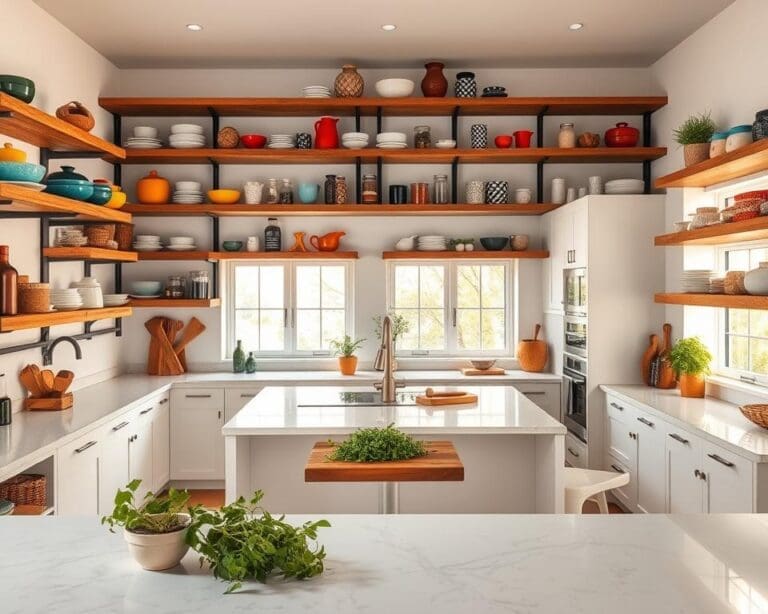
Use bespoke kitchen ideas and tailored joinery to solve everyday family needs. In an open-plan home, an oversized island with hidden toy storage, integrated charging stations and durable engineered stone tops becomes both practical and beautiful. In compact London flats, wall-to-wall storage and a fold-away table in pale ash with brass details maximise floor space and nod to Scandinavian influence.
Plan installation and aftercare from the start: coordinate deliveries for terraces and flats, protect floors during fitting and allow finishes to cure before heavy use. Ask makers for maintenance advice, local repair contacts and options for refinishing or re-upholstery to extend lifespan. Treat bespoke furniture as a means to author your home — blending craftsmanship, sustainability and personal narrative — and begin conversations with local British makers to bring these personalised interior ideas to life.