
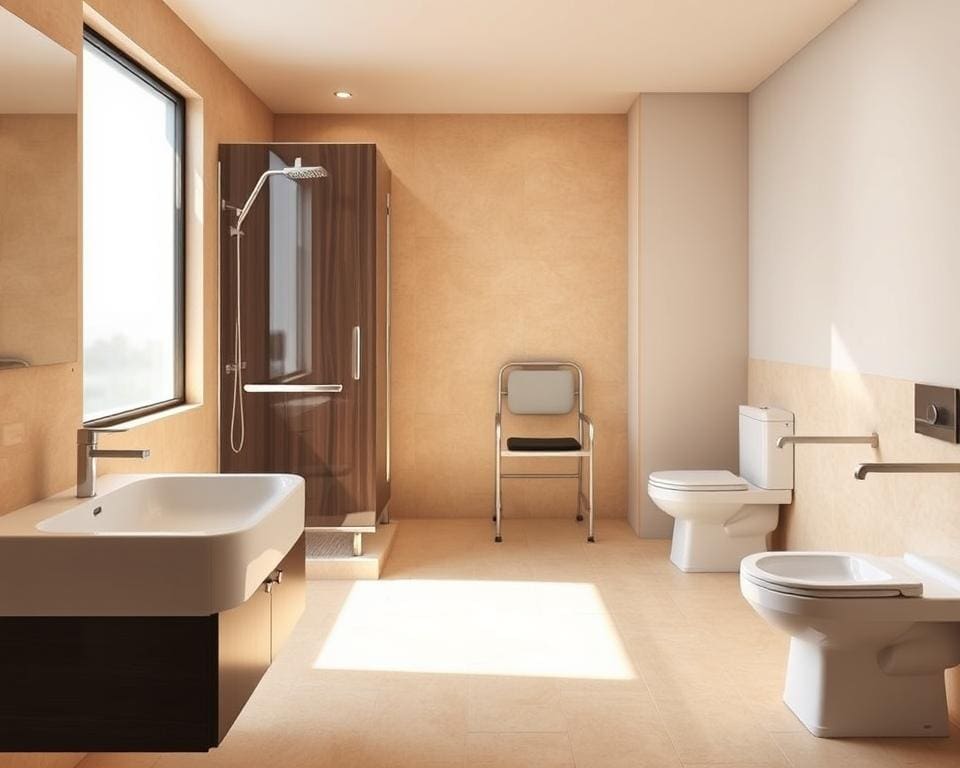
Accessible bathroom design can transform daily routines, helping older adults, people with reduced mobility and those with sensory or cognitive needs live more safely and independently at home. Thoughtful bathroom adaptations UK-wide reduce the risk of falls, support dignity and often delay the need for more intensive care.
Evidence from NHS guidance and social care reports shows clear benefits: fewer accidents and hospital admissions related to bathroom falls, lower carer strain and improved mental wellbeing when people regain control over personal care. Simple changes such as grab rails and raised toilets, alongside full remodels like level-access wet rooms, both deliver measurable advantages.
This piece is for homeowners, landlords, occupational therapists, care assessors and builders in the UK. It covers how to identify needs, core principles of inclusive bathroom ideas, practical features, likely costs, funding options and how to choose the right professionals for a disability-friendly bathroom that also looks contemporary and welcoming.
How can bathroom redesign improve accessibility?
Thoughtful redesign turns a risky bathroom into a welcoming space that supports independence. A clear plan starts with a thorough accessibility needs assessment and may include a home safety assessment UK to identify hazards and priorities. Early appraisal helps decide whether short-term fixes or long-term personalised bathroom adaptations will give the best value and dignity for the user.
Understanding accessibility needs in the home
Begin with a functional needs assessment that looks at mobility, balance, strength, vision and cognition. Occupational therapy teams in local authorities or private occupational therapists carry out these checks in the UK.
Ask which transfers are needed, for example bed to bath or toilet to chair. Note whether a seated shower suits the user and if carers need clear space to assist. Consider progressive conditions so adaptations remain useful over time.
Key design principles that enhance safety and independence
Design around step-free access and clear manoeuvring space. Aim for minimum turning circles for wheelchair users where relevant. Fixed support points, such as well-placed grab rails and transfer supports, make moving safer.
Choose adjustable fixtures, like height-adjustable basins and shower seats, to suit changing needs. Prioritise slip-resistant surfaces and good lighting with high contrast for those with visual impairment. Apply universal design principles and lifetime homes thinking so the bathroom stays practical as needs evolve.
Balance safety with dignity. Use finishes and fittings from brands such as Ideal Standard or GROHE to create a non-clinical look.
Practical remodel changes that deliver measurable benefits
Small changes often give rapid gains. Replacing a bath with a level-access shower or wet room reduces slip risk significantly. A raised toilet plus grab rails eases transfers and cuts carer strain.
Swap slippery tiles for anti-slip vinyl or textured ceramic to lower fall incidence. Improve task and ambient lighting to reduce missteps. Fit thermostatic mixer valves to prevent scalding.
- Low-cost options: grab rails, lever taps and non-slip mats from a few hundred pounds.
- Mid-range works: walk-in showers, raised-height toilets and improved lighting from several hundred to a few thousand pounds.
- High-end remodels: wet rooms and full-room remodelling can reach several thousand pounds but deliver wide benefits.
Combine an accessibility needs assessment with assistive bathroom modifications to ensure changes match real routines. Many personalised bathroom adaptations reduce long-term care costs by improving safety and independence.
Practical design features for an accessible bathroom
Thoughtful choices make an accessible bathroom feel calm and empowering. This short guide covers showers, toilets, surfaces, lighting and layout tweaks that help people move with dignity and safety.
Accessible showers and wet-room solutions
Opt for a level-access shower with a gentle fall to drain to remove trip edges and ease transfers. Open wet-room layouts or quadrant enclosures work well in a wet room design UK, giving clear approach space for carers and wheelchair users.
Include a fold-down shower seat and a thermostatic wall-mounted valve with easy-to-use controls for safe temperature control. Choose certified waterproof systems such as Wedi or Schluter to meet Building Regulations and prevent damp in a UK climate.
Toilet and basin options for ease of use
Raised toilet options like comfort-height or back-to-wall models make transfers simpler. Wall-hung toilets offer adjustable height and clear floor space beneath for hoist access. Consider frames and support rails from trusted brands such as Armitage Shanks for secure fitting.
Select basins with knee clearance, such as semi-recessed units, and taps with lever handles or sensor operation. Thermostatic mixers reduce scald risk. Consult an occupational therapist to set specialist heights; comfort-height toilets are often around 45–48 cm.
Flooring, lighting and heating choices that reduce risk
Use anti-slip bathroom flooring like safety-rated vinyl, textured porcelain or tiles with an appropriate P-rating. Keep a continuous floor finish in wet areas to avoid trip edges and aid cleaning.
Design layered accessible lighting: bright, even ambient light plus task lighting at mirrors and low-level night lights for safe nighttime use. Choose high CRI LEDs that minimise glare and add motion sensors for automatic activation.
Warmth reduces slips caused by cold floors. Underfloor heating or heated towel rails help maintain comfort. Ensure electrical fittings meet IP ratings for bathroom zones and follow safety guidance when installing heaters.
Storage and layout adjustments to improve manoeuvrability
Plan an accessible bathroom layout with clear approach and transfer zones. Aim for 800–900 mm clearance beside fixtures and a 1500 mm turning diameter when space allows to support wheelchair access.
Use easy-reach storage: pull-out drawers, adjustable shelves and wall niches at seated height. Fit push-to-open cupboards and reposition door swings to pocket or outward openings to preserve internal space.
Apply contrasting colours on floors and walls to help people with visual impairment find fittings more easily. Small changes in storage and layout deliver big gains in independence and safety.
Costs, funding and choosing the right professionals
Understanding bathroom adaptation costs UK helps you plan with confidence. Minor adaptations such as grab rails, lever taps or raised toilet seats typically range from £100–£1,000. Medium works, including walk-in shower installation, non-structural relocations and comprehensive grab-rail systems, usually sit between £1,000–£5,000. Major remodels — wet rooms, structural alterations or full redesigns with underfloor heating and high-spec tiling — can start at £5,000 and rise to £20,000 or more depending on specification and finishes.
Several factors affect price: waterproofing and tanking, drainage relocation, compliance with Building Regulations, choice of fittings and tile finishes, plus accessibility extras such as power-operated doors or ceiling hoist installations. These technical requirements often increase labour time and may require specialist trades, which should be allowed for in any budget.
For many households, grants for home adaptations and support options ease the financial burden. The Disabled Facilities Grant remains the primary route via local authorities for eligible applicants, and applicants should consult GOV.UK and their council for current rules and means-testing. VAT relief can apply to some adaptations for disabled people, and charities such as Turn2us or local British Red Cross teams may offer advice or support in some areas. NHS or local authority occupational therapists often help with assessments and endorse applications for essential adaptations.
Choosing the right team matters as much as funding. An occupational therapist for needs assessment, experienced accessible bathroom contractors and accredited builders will deliver the best outcome. Ensure plumbers and electricians understand bathroom zoning and Building Regulations, and bring in a waterproofing specialist for wet-room work. Look for TrustMark-registered tradespeople, Federation of Master Builders members, and installers with manufacturer accreditations from firms such as Wedi. Obtain multiple quotes, check portfolios and references, and confirm insurance, warranties and completion certificates for any structural or drainage work.
Investing in accessible design improves safety and transforms daily life. With careful budgeting, the right grants and an experienced team, you can create a beautiful bathroom that supports independence and wellbeing while offering long-term value.