
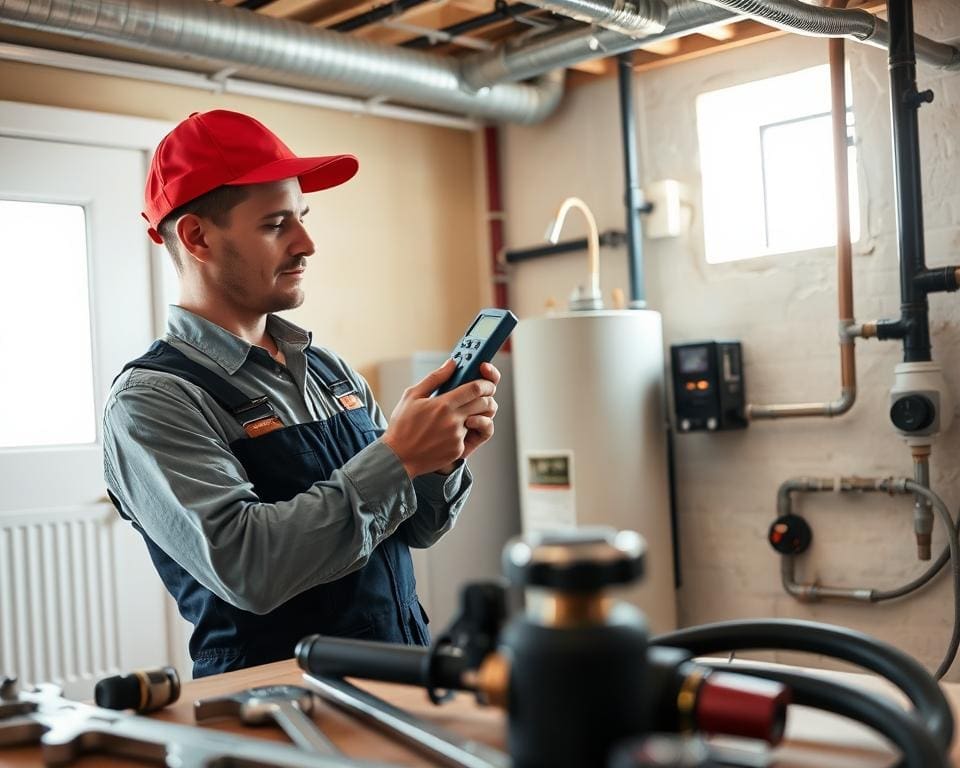
Household water damage can hit budgets hard. Structural repairs, mould remediation, ruined belongings and higher insurance premiums all add up. In the UK rising material costs and labour rates make even minor leaks expensive to fix. Common causes include burst pipes in freezing weather, leaking washing machines, faulty valves, blocked drains and ageing copper or polybutylene pipework.
A professional plumber UK offers more than quick fixes. Their role is preventive: systematic inspections, diagnosing weak points and fitting solutions such as pressure-reducing valves, modern stopcocks and leak detection devices. Regular maintenance schedules and competent installation preserve manufacturer warranties and meet Building Regulations and guidance from the Chartered Institute of Plumbing and Heating Engineering.
This article takes a product-review style approach to plumbing water damage prevention. We assess services, techniques and devices that help prevent water damage plumber issues before they start. Key metrics to weigh include reliability, warranty cover, compatibility with your existing system, energy and water efficiency, ease of maintenance and lifetime cost versus savings.
The aim is practical and empowering. By choosing the right tradesperson and products, homeowners can secure household water damage protection, reduce disruption and protect long-term household value. The sections that follow will guide you through inspection priorities, common warning signs and the best upgrades to safeguard your home.
How can a plumber prevent costly water damage?
A skilled plumber turns uncertainty into a clear plan. A thorough plumber inspection UK begins with visual checks of visible pipework, sanitaryware, cylinder and boiler connections, soil stacks and gutters. Technicians carry out pressure testing to spot leaks, use thermal imaging to reveal hidden moisture and inspect loft and underfloor spaces where pipes run. External drains and soakaways get the same attention. Verifying the accessibility and condition of the main stopcock and isolation valves underpins every effective plumbing risk assessment.
Comprehensive inspection and risk assessment
Plumbers prioritise findings by severity and urgency. Imminent burst risk takes top priority, followed by slow leaks that create damp and non-compliant installations that might fail under stress. UK homes face typical risks such as frost-prone pipe routes, older lead or galvanised pipework and loft conversions where original plumbing may be compromised.
After inspection homeowners receive a written report with photographic evidence, a recommended remediation plan and cost estimates. The report includes suggested maintenance intervals so long-term risk drops and insurers see a record of care.
Targeted repairs and preventative maintenance
Targeted repairs often prevent small faults becoming major losses. Common works include replacing corroded or frozen pipework, fixing worn joints and compression fittings, resealing baths and showers and replacing failed washing machine hoses. Servicing cistern valves and repairing gutters stops water ingress at source.
Preventative plumbing maintenance follows a clear schedule. Annual boiler and cylinder servicing by Gas Safe engineers, exercising isolation valves, flushing cold-water tanks and routine drain unblocking reduce failure likelihood. Simple homeowner checks, such as monitoring the water meter for unexplained flow, add an extra layer of protection.
Small, low-cost fixes can save thousands. A modest stopcock replacement or a new washing machine hose avoids burst pipes and major fabric damage. Insurers are more likely to support claims when routine maintenance is demonstrable.
Modern detection and monitoring technologies
Plumbers install devices that spot trouble early. Electronic leak detectors, acoustic leak detection, moisture meters and thermal imaging cameras reveal hidden faults. Smart leak sensors from brands such as Honeywell, FloodStop, Flo by Moen and Phyn link to automatic shut-off valves and smart home systems to isolate leaks fast.
Professional installation ensures sensors sit in the right places: under sinks, near boilers, by washing machines and in bathrooms. Whole-home water-monitoring systems log flow patterns so slow leaks show up before they escalate. Practical points include battery life, connectivity and false alarms, which professionals manage during setup.
Upgrading systems to current standards
Upgrades improve resilience and ease of repair. Common recommendations include replacing lead or galvanised steel with PEX or copper, installing pressure-reducing valves where mains pressure is excessive and fitting modern quarter-turn isolation valves. Thermostatic mixing valves and backflow prevention protect users and supply quality.
Plumbers align upgrades with Building Regulations and CIPHE guidance so work meets recognised best practice. Upgrades reduce corrosion, improve pressure management and make isolation in an emergency straightforward. Plumbers can phase work to suit budgets, explain trade-offs between copper and PEX and offer warranties on materials and labour.
Signs of potential water damage a plumber looks for
A skilled plumber knows where to spot early trouble and what those signs mean for a home. Quick recognition of visual cues and subtle system indicators helps protect property and health. Below are the typical clues specialists record and act upon.
Visible symptoms during inspections
Damp patches and discolouration on walls and ceilings are common signs of water damage. Peeling paint or wallpaper, warped skirtings and floorboards, and mould growth with musty odours point to established moisture problems.
Plumbers often check under bathrooms, around boiler cupboards and at ground-floor intersections where foundations meet external walls. Pooling water near appliances and persistent wet spots under sinks or in basements demand prompt attention.
Photographing and documenting these visible symptoms creates a timeline for repairs and provides evidence for insurance claims. When visible signs appear, they usually mean damage is already present and needs timely remediation.
Long-term damp can cause timber decay, rot and structural weakening. Mould can worsen respiratory issues and allergies, so a damp signs plumber will stress urgency and recommend targeted repairs.
Hidden indicators in plumbing systems
Not all leaks announce themselves. Unexplained rises in the water bill, a continuous flow on the water meter with all taps off, or faint sounds of running water suggest hidden leaks. Sudden drops in water pressure and unexplained staining on carpets or ceilings also raise suspicion.
Plumbers use acoustic detectors, tracer gas and thermal imaging to locate concealed leaks within walls, under floors and inside cavities. These tools reduce guesswork and speed up repairs.
Appliance-specific clues include failed hose assemblies, corrosion around joints and slow drainage from partially blocked waste pipes. Irregular boiler pressure can signal internal leaks or expansion vessel faults.
Early detection of hidden leaks can turn costly structural repairs into focused plumbing fixes, lowering expense and disruption to the home.
Seasonal and environmental risk factors
Seasonal plumbing risks UK residents face include frozen pipes in uninsulated lofts and external walls during winter. Heavy autumn and winter rain can overwhelm drains and guttering. Ground movement from drought or frost can stress buried pipework.
Preparing for these cycles helps prevent incidents. Lagging pipes before cold snaps, clearing gutters ahead of autumn storms and checking external pipework after severe weather are practical steps.
Properties near rivers, with poor drainage or older construction methods often carry higher vulnerability. Plumbers assess site-specific conditions and may suggest soakaway improvements or external drain upgrades.
Insurers expect reasonable precautions. Failure to take seasonal measures can affect claim outcomes, so keeping records of maintenance and mitigation is important when seasonal plumbing risks UK are likely to arise.
Services and recommendations a plumber offers to safeguard your home
Professional plumber services to prevent water damage begin with comprehensive inspections and risk assessments. A qualified plumber will check pipework, cylinder and boiler connections, gutters and external drains to spot wear and weak points. They will offer planned plumbing maintenance plans, such as annual servicing of cylinders and valves, to keep systems reliable and to support any future insurance claims.
Practical interventions include installation of leak detection and automatic shut-off systems, replacement of worn hoses and valves, and repiping or partial repiping where ageing materials pose a risk. Trusted product recommendations often come from established brands: Honeywell and Danfoss for valves and controls, Flo by Moen and Phyn for smart leak detection where available, Drayton and Salus for thermostats, and John Guest and Wavin for fittings and pipe systems. Plumbers tailor choices to the property, supplier availability and warranty support.
Homeowners should register with an insured, CIPHE-affiliated plumber or reputable local firm and consider service packages that include emergency call-out services. Simple steps you can take include ensuring stopcocks are accessible and clearly labelled, practising an emergency stopcock installation and shut-off routine, and keeping written records of inspections. Point-of-risk sensors under sinks or by appliances, or whole-house monitoring, are sensible investments for enhanced leak prevention services.
A phased upgrade plan, with written estimates, timelines and warranties, helps manage cost while increasing resilience. By following these plumbing recommendations UK residents can turn the risk of sudden water damage into confidence: proactive maintenance, modern detection technology and prompt response save money, protect health and preserve property value over the long term.