
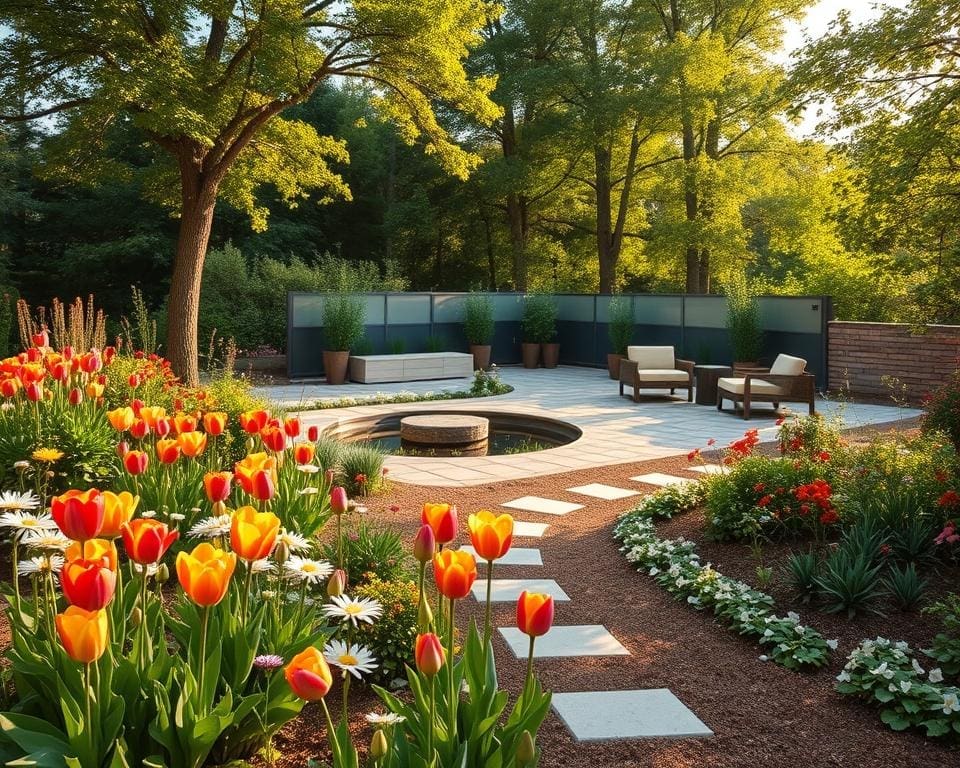
How can a landscape designer transform outdoor spaces is the question at the heart of every garden renovation and outdoor design inspiration brief. In the UK market, professional designers combine artistic vision, horticultural knowledge and technical skill to turn ordinary plots into practical, beautiful living areas.
Services typically begin with an initial consultation and a site survey, then move on to concept design, detailed planting plans and materials specification. Many firms offer project management and aftercare, working to standards set by the Society of Garden Designers and the Landscape Institute to ensure quality and compliance.
Homeowners benefit from increased property value, improved usability for entertaining or relaxation, enhanced biodiversity and better drainage. A carefully reworked front garden can boost kerb appeal, while a redesigned courtyard can create valuable outdoor entertaining space and reduce long‑term maintenance.
This article takes a product‑review approach to landscape designer UK offerings, assessing creativity, practicality, sustainability, communication and budget management. Later sections will unpack the designer’s process, core design principles, practical solutions for different site sizes and the measurable return on investment from a thoughtful garden transformation.
How can a landscape designer transform outdoor spaces?
Expert designers start by listening. A clear client brief sets the scene for a project, capturing how the space will be used for entertaining, children’s play, growing vegetables or wildlife gardening. Ageing residents, young families and pet owners have different needs, so accessibility, local planning constraints and timescale are all recorded early on.
The next stage is a thorough site survey that measures levels, aspect and prevailing winds. Soil type, drainage, existing trees and microclimates are noted so choices suit the character of the plot. Daylight mapping and soil testing reveal which planting palette and hardscape will thrive.
Designers turn observations into visual ideas. Initial sketches and 3D visualisations give clients a sense of scale and mood. Deliverables typically include a masterplan, detailed planting plan and construction drawings to guide contractors and suppliers through materials selection and installation.
Budgeting and phased delivery are agreed with the client to manage cost and disruption. Iterative reviews and clear sign‑off points keep the project on track and reduce scope creep. Tools such as mood boards and precedent imagery help refine the brief.
Choosing materials balances durability with local character. Porcelain paving suits low‑maintenance courtyards, reclaimed Yorkstone links to period homes and permeable resin bound surfaces support sustainable drainage. Materials selection must also consider slip resistance and long‑term maintenance.
Planting strategies aim for resilience and seasonal interest. Mixing perennials, shrubs, trees and evergreens creates year‑round structure. Native species such as hawthorn and field maple support wildlife, while drought‑tolerant specimens work in sheltered urban microclimates.
Environmental checks form a core part of responsible practice. Tree Preservation Orders, protected species and underground services guide what is possible on site. Sustainable landscape design UK principles are applied to reduce run‑off and enhance biodiversity.
Clear documentation completes the landscape design process. Costed schedules, lighting schemes and maintenance instructions ensure the design remains beautiful and functional over years, with long‑term growth habits and root behaviour considered near buildings.
Design principles that elevate gardens and outdoor living
Great garden design begins with clear garden design principles that tie every part of the space to the house and to human use. Thoughtful choices in scale, sightlines and planting turn outdoor areas into rooms that feel intentional and inviting.
Balance, proportion and scale to enhance visual harmony
Designers use balance proportion scale to relate paths, beds and trees to building size and to the people who use the garden. A simple rule is to set path widths so two people walk side by side without brushing shoulders. Planting beds should sit comfortably against a lawn and the house façade rather than compete with them.
Formal layouts favour symmetry for a classical look. Naturalistic or cottage styles prefer asymmetry for a relaxed feel. Either approach needs repetition of materials or plant forms to keep visual equilibrium.
Amateurs often choose oversized specimen plants or undersized paving. Professionals avoid this by calculating mature sizes and checking sightlines from key vantage points inside and outside the home.
Focal points and sightlines to guide movement and attention
Focal points garden features such as a specimen tree, sculpture or water element give visitors a destination and create structure. Axial paths and framed views guide the eye and invite exploration.
Designers layer views from living rooms to terraces, framing vistas through hedges, pergolas or gateways. Changes in level can make even a small plot feel like a sequence of rooms.
For small gardens a bright pot or a compact water bowl works well. For larger estates a terrace, garden room or specimen oak can serve as a central anchor. Thoughtful lighting extends these focal points into the evening.
Texture, colour and seasonal interest for year‑round appeal
Mixing foliage textures and repeating a considered palette is central to strong garden colour schemes. Fine grasses, broad‑leaf shrubs and architectural succulents combine to give contrast and unity.
Pair structural evergreens with seasonal planting to secure interest from winter through autumn. Early spring bulbs such as crocus and narcissus lift a border, while salvias and geraniums carry late spring and early summer. Sedums and acer bring autumn drama. Winter structure comes from buxus, taxus and striking birch bark.
Colour affects mood. Cool blues and greens calm seating areas, while warm reds and oranges energise entertaining spaces. Designers match garden colour schemes to intended use so each area feels right for its purpose.
Practical transformations: from small patios to large estates
Smart design turns any plot into a purposeful outdoor room. Start by defining clear goals for use, flow and planting. This approach makes small garden ideas UK sing and helps estates reveal hidden potential.
Maximising small urban gardens for space and privacy
Layered planting creates depth while vertical features, such as trellis or living walls, draw the eye up and free floor space. Choose light‑reflecting materials like pale porcelain or lime‑washed render to amplify daylight.
Multifunctional furniture, compact raised beds and modular seating from brands sold in the UK make terraces more flexible. For privacy, consider deciduous screening for summer shade and winter light, or fast‑growing evergreens like Prunus lusitanica and Lonicera nitida in tight rows.
Creating functional zones: dining, relaxation and play
Garden zoning divides space into dining, lounging and play areas using paving changes, level shifts and planting. Durable dining surfaces include porcelain tile and engineered timber decks that stand up to British weather.
Sheltered lounges benefit from pergolas or retractable canopies and careful lighting. Play spaces use shock‑absorbing surfaces or quality artificial turf that meet UK safety standards, while robust plants and washable finishes keep high‑traffic zones tidy.
Plan for outdoor kitchens, power supplies and drainage early on so dining zones work year‑round. Secure storage and sensible fencing keep families and pets safe and organised.
Sustainable solutions: rain gardens, permeable paving and native planting
Rain gardens manage surface water by holding and filtering runoff. Build one by creating a shallow, graded basin, choosing moisture‑tolerant plants and linking it to downpipes where suitable.
Permeable paving options such as gravel, permeable block paving or resin bound surfaces help meet SuDS practice and ease flood risk. Follow recognised UK guidance when sizing and specifying these systems.
Native, wildlife‑friendly planting supports pollinators and long‑term resilience. Select locally appropriate species like oxeye daisy, considerate buddleia varieties and native hedging. Wildflower turf suppliers in the UK can supply ready mixes for instant biodiversity gains.
Accessibility and maintenance considerations for long‑term enjoyment
Accessible garden design means gently graded routes, clear widths for mobility aids and non‑slip surfaces. Reference British Standards such as BS 8300 when specifying thresholds and tactile contrasts.
Design for low maintenance garden care by choosing plant combinations that limit pruning and watering, installing automated irrigation controllers suited to UK conditions and scheduling phased aftercare. Life‑cycle thinking ensures materials and plants age gracefully and can be replaced in stages.
Offer practical aftercare options and clear maintenance plans to protect the initial investment and keep outdoor spaces welcoming year after year.
Why hire a landscape designer: value, expertise and return on investment
Hiring a landscape designer brings clear practical and creative value. A trained professional offers a thorough site appraisal, accurate technical drawings and specifications that prevent costly mistakes. Their network of vetted contractors and suppliers speeds delivery and protects quality, while recognition from bodies such as the Society of Garden Designers, the Landscape Institute or Royal Horticultural Society awards signals trusted standards for professional garden design UK.
There is also measurable financial upside. RICS guidance and estate agent case studies show that attractive, usable outdoor space improves kerb appeal and can boost garden resale value. Smaller interventions — improved lighting, smart planting or refreshed turf — often deliver strong ROI garden design without a large outlay, while a full remodelling typically yields higher capital uplift at greater initial cost.
Practical commissioning steps reduce risk and ensure clarity. Obtain several quotes, review portfolios and client testimonials, confirm insurance and written contracts, and agree deliverables, maintenance duties, a timeline and payment schedule. Consider phased projects, concept‑only options for DIY teams, or full‑service packages to match budgets and timelines, and choose local specialists who understand regional soils and species for better long‑term results.
Ultimately, the landscape designer benefits go beyond looks. They combine creativity, horticultural knowledge and project management to create durable, biodiverse outdoor spaces that enhance everyday living and improve property value. Weighing professional expertise against cost often reveals that hiring a landscape designer is an investment in enjoyment, sustainability and future resale value.