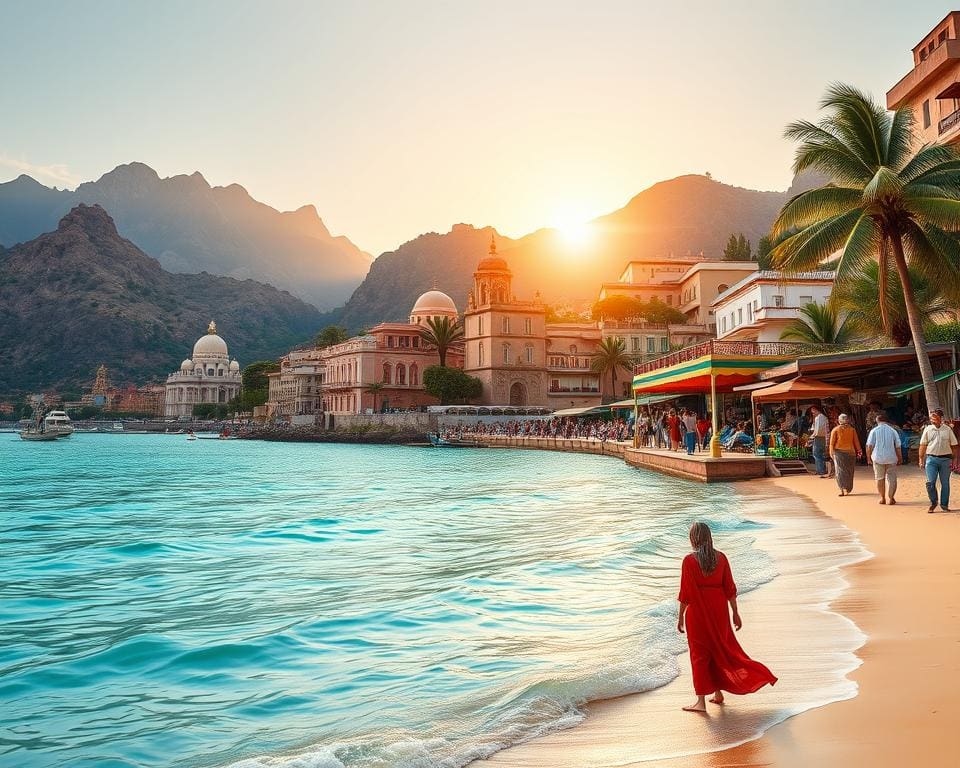

This guide is for you if a travel bucket list is more than a wish‑list and you want to turn dreams into plans. It sets out what to expect: a tour of iconic must-see destinations, a look at hidden gems, advice on responsible travel, and practical planning tips to make once-in-a-lifetime trips actually happen.
Bucket list travel matters because it shapes memories and stretches horizons. Visiting places like the Scottish Highlands, the Alhambra in Spain or the Serengeti brings cultural immersion, personal challenge and awe. Research links travel with improved wellbeing, broader perspectives and stronger bonds when you share top travel experiences with family or friends.
Use this article in sequence. First, explore famous must-see destinations that excite you. Next, compare lesser-known alternatives to enrich your list. Then learn how to travel responsibly and protect fragile sites. Finally, follow the planning section to budget, prioritise and set realistic timeframes for your travel bucket list.
Our recommendations draw on reliable sources: UNESCO World Heritage listings, VisitBritain, VisitScotland, Turismo de España, Lonely Planet, National Geographic and national park services. For routes and timetables consult airline carriers and for safety advice check the UK Foreign, Commonwealth & Development Office (FCDO).
Ready to begin? Proceed to the next section to explore iconic must-see places and start shaping a list of extraordinary travel experiences that belong on your personal bucket list.
bucket list destinations: iconic must-see places around the world
Start by thinking about what makes a place iconic. World-famous landmarks earn that tag through cultural weight, natural wonder, historical significance or architectural mastery. Sites such as Machu Picchu, the Great Barrier Reef and the Pyramids of Giza draw visitors because they offer singular experiences that belong on many travellers’ lists.
Why these iconic destinations belong on your bucket list
An iconic site delivers more than a photograph. You gain cultural immersion in Kyoto’s temples and tea houses, witness geological drama in Iceland’s waterfalls and walk through human ingenuity at the Sagrada Família. Many of the best-known spots have visitor infrastructure, from guided tours to interpretive centres, yet some need permits or guided access to protect fragile environments.
Conservation matters when you visit. Timed-entry systems, visitor caps and local guide requirements are common at fragile places such as the Galápagos and Machu Picchu. Respecting these measures helps ensure future generations can enjoy the same must-see places.
How to prioritise iconic sites based on your interests
Begin by listing your bucket list travel priorities. Group interests into clear categories: history and culture, nature and adventure, food and wine, relaxation and photography. Match destinations to those categories to create focused trips that satisfy your personal aims.
- History and culture: Rome, Cairo, Angkor.
- Nature and adventure: Patagonia, Iceland, Kilimanjaro.
- Food and wine: Tokyo, Lyon, Mendoza.
- Relaxation and beaches: Maldives, Bali.
Factor in time and budget. Combine nearby icons to maximise value, such as Athens with Santorini or Lisbon with Porto. Check physical demands: altitude at Machu Picchu, long treks in Patagonia and certification for coral reef diving. Prepare with fitness training or health checks where needed.
Choose places that fit you emotionally. Whether you seek solitude in a desert or the buzz of New York, pick destinations that match how you want to feel on the trip.
Best times of year to visit iconic destinations to avoid crowds
Learn the rhythm of high, shoulder and low seasons. Shoulder seasons often give the best balance of fair weather and fewer people, lowering stress and costs while still letting you enjoy the highlights.
- Europe (Rome, Paris, Amalfi): April–June and September–October are quieter than peak summer.
- Southeast Asia (Angkor Wat, Bangkok): November–February is popular for dry weather; consider May or September to avoid crowds but be mindful of monsoon conditions.
- South America (Machu Picchu, Galápagos): Machu Picchu’s dry season, May–September, is busy; book permits or travel in shoulder months for more space.
- Polar regions (Antarctica, Arctic): Summer windows are short and sell out; plan far ahead and avoid major holiday weeks.
- African safaris (Serengeti, Okavango): Dry months concentrate wildlife and visitors; early or late dry seasons can give better solitude.
Practical tips let you avoid crowds. Travel mid-week where possible, start early at popular sites and use timed-entry tickets. Specialist local guides unlock quieter viewpoints and off-peak hours. For permit-limited places, make advance bookings for flights, accommodation and internal transfers. For further inspiration on iconic destinations and must-see places, consult a curated list at must-visit travel destinations.
Hidden gems and off-the-beaten-track adventures to inspire your travels
You can unlock unforgettable experiences by seeking out hidden gems travel that sit beyond guidebook pages. Start small with day trips or a weekend break to test routes and logistics. Use niche travel blogs, National Geographic features and Lonely Planet’s unusual destinations to spot lesser-known travel spots before they become crowded.
How to discover lesser-known destinations that offer extraordinary experiences
Search social platforms such as Instagram and YouTube for recent posts, then vet those accounts for authenticity. Tune into travel podcasts and long-form journalism for depth. Contact local tourism boards and boutique operators to ask about seasonal events and access routes.
Map transport links and travel time so you can weigh adventure against feasibility. For instance, ferries serve the Western Isles and Orkney, while some Pacific atolls demand long boat transfers. Join specialist groups—eco-operators, birdwatching forums and caving clubs—to learn about true off-the-beaten-track destinations safely.
Responsible travel tips for visiting remote and fragile places
Follow Leave No Trace basics and carry reef-safe sunscreen when visiting marine sites. Stick to paths, avoid disturbing wildlife and respect local dress codes at culturally sensitive locations. Choose locally owned accommodation and hire guides who pay fair wages to support community livelihoods.
Check permit rules and visitor caps ahead of travel. Some islands and trekking routes close seasonally for restoration or nesting. Pack an appropriate medical kit, confirm vaccinations with the NHS or a travel clinic, and ensure your insurance covers remote evacuation when needed.
Examples of hidden gems by region (Europe, Asia, Africa, Americas, Oceania)
Europe offers many regional hidden gems. The Azores combine whale-watching and volcanic trails, Puglia rewards you with trulli villages and rugged coastlines, and the Outer Hebrides serve wild beaches and Gaelic culture. For secluded bays and beaches, see a useful guide to hidden European coasts at these recommendations.
In Asia, explore Luang Prabang’s rural outskirts for temples and waterfalls, Gyeongju’s countryside for ancient Silla sites, and Nepal’s Tsum Valley for high-altitude culture and trekking. Africa has Sao Tome and Principe for rainforest solitude, Namaqualand’s spring bloom, and Ruaha National Park for quieter safari encounters.
The Americas hide superb options. Valle de Viñales showcases tobacco farms and limestone mogotes, the Tatacoa Desert in Colombia is ideal for stargazing, and Canada’s Bonavista Peninsula offers iceberg spotting on coastal trails. Oceania features Lord Howe Island’s strict visitor caps and pristine reef, Fiji’s Taveuni waterfalls and New Zealand’s Stewart Island for birding and the Southern Lights.
- Access routes: note nearest airports, ferry timetables and seasonal closures.
- Recommended activities: hiking, wildlife watching, local culinary experiences and small-boat exploration.
- Conservation notes: check permits, follow protected-area rules and support certified operators that practise sustainable travel.
Practical planning tips to turn your bucket list into reality
Start by ranking your top ten destinations so you can see what matters most. Sort entries by urgency, cost, accessibility and personal resonance, and use categories such as short haul, long haul, high budget and low budget to build staged goals over 1–5 years. This simple framework makes travel planning tips and how to plan bucket list trips feel manageable rather than overwhelming.
Work out realistic trip lengths: city breaks usually suit 3–5 days, multi-country cultural tours 10–21 days, and expedition cruises or polar trips 10–20 days. Build in rest and acclimatisation time. For travel budgeting, list flight, accommodation, local transport, guided activities, permits, insurance and a contingency fund. Use live fare searches, fare alerts and flexible-date tools to lower costs.
Follow practical booking tips and travel logistics: fly into major hubs then take regional carriers or trains for connections, check visa rules on the UK government pages and consult embassy sites. Book limited-access tickets well ahead—national park permits, timed museum entries and Galápagos or polar spaces sell out. Compare hotels, guesthouses, homestays and eco-lodges and favour locally run options for authenticity and local benefit.
Prioritise health, safety and packing: get vaccinations where relevant, check malaria prophylaxis, and ensure travel insurance covers activities like scuba diving or high-altitude trekking. Pack essentials—passport validity, visas, confirmations, local currency, adapters, medications and layered clothing—and include sustainable items such as a reusable bottle and reef-safe sunscreen. Use a final checklist: 6–12 months to book major items, three months to sort visas and insurance, and two to four weeks to reconfirm bookings and pack. With clear itinerary planning and steady saving, you can start booking the first items on your list today and turn those dreams into real journeys. For island inspiration to slot into your plans, see this guide to beautiful islands for your next getaway: most beautiful islands.