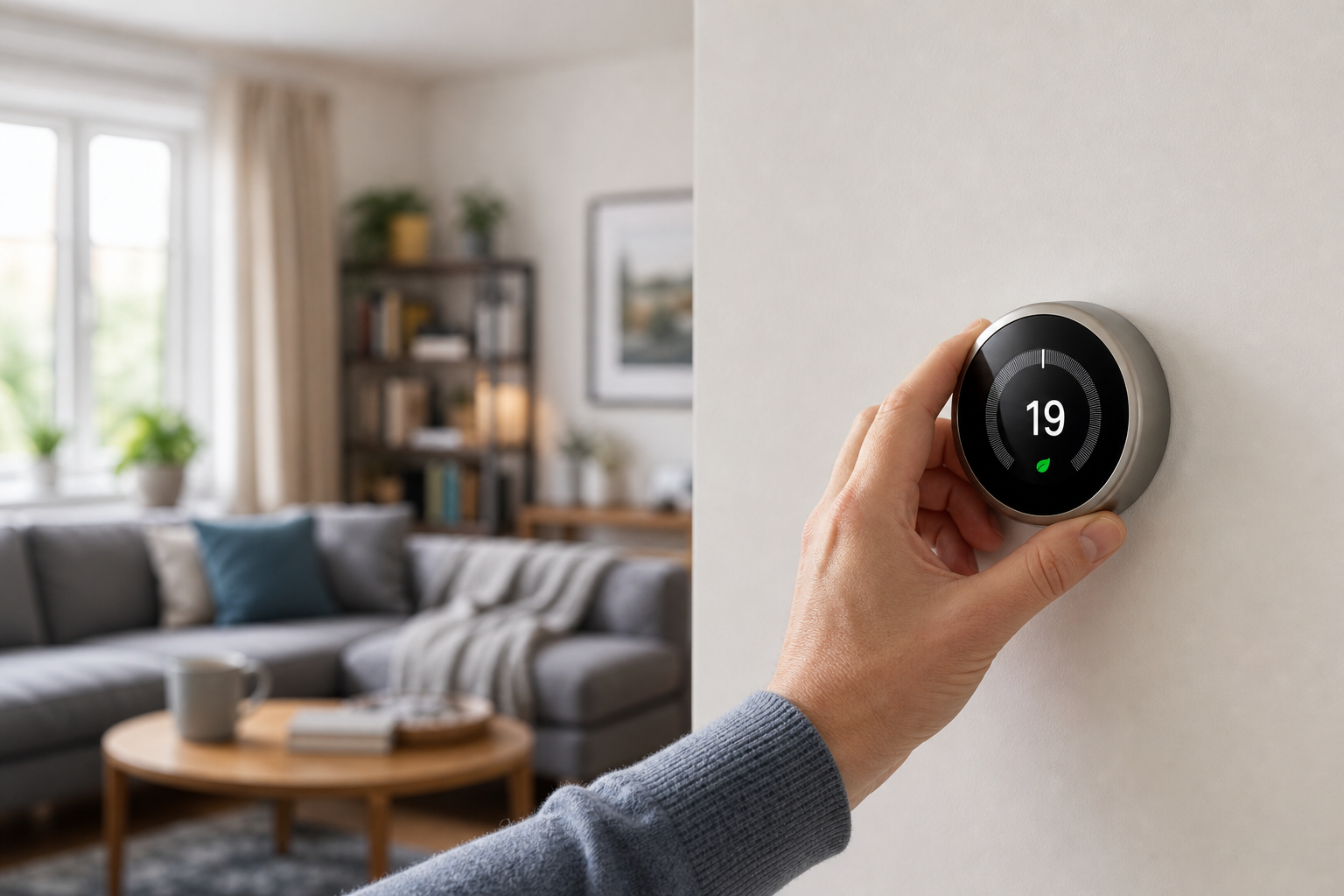

Energy-Saving Tips for a More Efficient Home matter to more than individual householders. For UK businesses that manage, let, design, maintain or supply homes, energy efficiency is now a practical part of asset quality, customer satisfaction and operational resilience. A more efficient home is usually easier to heat, simpler to manage and less exposed to avoidable waste. From an editor’s perspective, the best advice is clear, realistic and rooted in everyday decisions rather than dramatic one-off changes.
Why Home Energy Efficiency Matters for Businesses
For landlords, property managers, housing providers, developers, trades and facilities teams, domestic energy performance affects both running costs and resident experience. A draughty, poorly controlled home can create complaints, increase maintenance pressure and make budgeting harder for occupants. By contrast, a well-managed home supports comfort while reducing unnecessary energy use.
Energy saving is also a communication issue. Residents and clients need guidance they can understand and act on. Technical upgrades are valuable, but they work best when paired with simple explanations: how to use heating controls, why ventilation still matters, and when to report faults. Businesses that make these details easier to grasp can improve outcomes without relying only on large capital projects.
Efficiency should not be treated as a seasonal topic. Winter heating, summer cooling, hot water use, lighting and appliance choices all contribute to the wider picture. A consistent approach helps businesses make better decisions across maintenance schedules, refurbishments and resident support.
Energy-Saving Tips for a More Efficient Home in a Business Context
The most effective energy-saving measures are usually those that reduce waste without reducing comfort. In a B2B setting, this means choosing measures that are repeatable, easy to explain and suitable across different property types.
Useful steps include:
- Checking heating controls, programmers and thermostats during routine visits, not only when faults are reported.
- Sealing obvious draughts around doors, windows, loft hatches and service gaps where safe and appropriate.
- Replacing failed lamps with efficient LED alternatives during planned maintenance.
- Insulating accessible hot water cylinders and pipework to reduce heat loss.
- Encouraging residents to report dripping hot taps, damaged seals and faulty radiators early.
These actions are modest, but they address common sources of waste. They are also practical for teams managing multiple homes because they can be built into inspections, void works and refurbishment checklists.
Heating Controls and Zoning
Heating is often the largest visible energy concern for occupants, so controls deserve careful attention. A thermostat that is poorly placed, misunderstood or faulty can lead to overheating in one room and discomfort in another. Clear labelling and simple user guidance can prevent confusion, especially where residents are unfamiliar with a system.
Zoning can also help in larger homes or properties with varied use patterns. It allows heat to be directed where it is needed, rather than treating the whole property as one identical space. For businesses, the key is to make controls intuitive. If a system is too complicated, people may override it or stop using it properly.
Insulation and Draught Reduction
Insulation slows heat loss, while draught reduction tackles unwanted air movement. Both can improve comfort, but they must be considered alongside ventilation. Blocking necessary vents or ignoring moisture risks can create problems, particularly in kitchens, bathrooms and rooms with older building fabric.
Businesses should look for practical opportunities during repair cycles. Loft access, floor voids, roof works and window upgrades may all reveal chances to improve thermal performance. Even small draught-proofing improvements can make rooms feel more stable, reducing the temptation to raise heating settings.
Lighting, Appliances and Everyday Use
Lighting upgrades are often straightforward. LED lamps use less electricity than older alternatives and generally suit common areas, shared spaces and individual rooms. In managed buildings, sensor controls may be appropriate for corridors, stores and external areas, provided safety and accessibility are considered.
Appliances also influence energy use. In rented or managed homes where appliances are supplied, efficient models can reduce consumption over their working life. Placement matters too. Fridges and freezers should have adequate ventilation, and tumble dryers need correct installation and maintenance to work safely and efficiently.
Everyday use remains important. Businesses can provide residents with friendly, non-judgemental guidance that focuses on practical habits:
- Use lids on pans when cooking to reduce heat loss.
- Wash full laundry loads where possible rather than several small loads.
- Keep radiators clear of furniture so warm air can circulate.
- Switch off unused lights in empty rooms.
- Avoid leaving devices on standby when they can be fully switched off safely.
These points are simple, but they are easier to follow when presented as helpful reminders rather than rules.
Fabric First: The Building Itself
A “fabric first” approach means improving the structure and envelope of the home before relying heavily on equipment. Walls, roofs, floors, windows and doors all influence how much energy is needed to keep a property comfortable. For businesses planning refurbishments, this approach can help prioritise durable improvements.
Good fabric performance reduces demand. That makes later choices, such as heating systems or renewable technologies, more effective. However, the right solution depends on the property. Older solid-wall homes, modern flats and converted buildings each have different needs. Assumptions can be costly, so surveys and competent advice remain important.
Moisture management should sit beside energy efficiency. Warmer surfaces, controlled ventilation and prompt repairs can help reduce condensation risks. A home that saves energy but traps damp air is not performing well. Efficiency, comfort and building health must work together.
Maintenance as an Energy-Saving Tool
Energy efficiency is not only about upgrades. Maintenance has a direct effect on performance. A boiler that is not serviced correctly, a blocked extractor fan or a damaged door seal can undermine otherwise sound improvements. For B2B teams, this makes energy awareness part of everyday asset management.
Planned maintenance can include energy-related checks without becoming burdensome. Contractors can note missing insulation, faulty valves, poor seals or resident confusion around controls. These observations help organisations spot repeated issues across a portfolio.
Record keeping also matters. When businesses track repairs, replacements and complaints, patterns become visible. If several homes in one block report cold rooms, the answer may not be individual behaviour. It may point to fabric, heating distribution or ventilation issues that need a broader response.
Communicating Advice Without Overcomplication
Energy guidance works best when it is specific and respectful. People are more likely to respond to advice that fits their daily routines and acknowledges real constraints. A resident may not control the age of a boiler or the insulation in a roof, but they can often adjust how they use controls, report faults and manage ventilation.
Businesses should avoid jargon where possible. Instead of “optimise thermal performance”, explain how to keep heat in and use heating controls effectively. Instead of long manuals, use short guides, clear diagrams and plain-language labels.
Tone is important. Energy saving should not sound like blame. A friendly explanation builds trust, especially when paired with visible improvements to the home itself. The strongest results often come from combining good building management with practical occupant support.
Frequently Asked Questions
What is the quickest way to improve energy efficiency at home?
The quickest improvements often involve heating controls, draught-proofing and efficient lighting. These measures are relatively simple to understand and can reduce avoidable waste without major disruption. Businesses managing homes can include them in routine maintenance and resident guidance.
Should businesses focus on behaviour or building upgrades?
Both matter, but they serve different purposes. Building upgrades reduce the energy a home needs, while behaviour affects how systems are used day to day. The best results usually come when practical advice supports well-planned improvements to the property itself.
How can energy-saving advice be made clearer for residents?
Advice should be short, practical and linked to everyday situations. Clear thermostat instructions, simple ventilation guidance and friendly reminders about reporting faults can be more useful than technical explanations. Plain English helps people act with confidence.
Final Editorial View
A more efficient home is created through many connected decisions: better fabric, reliable systems, sensible controls, timely maintenance and clear communication. For UK businesses, the opportunity lies in making these choices consistent across every property and every resident interaction.
Energy-Saving Tips for a More Efficient Home are most useful when they are practical rather than perfect. Small repairs, clearer guidance and planned improvements all contribute to homes that waste less energy and feel better to live in.