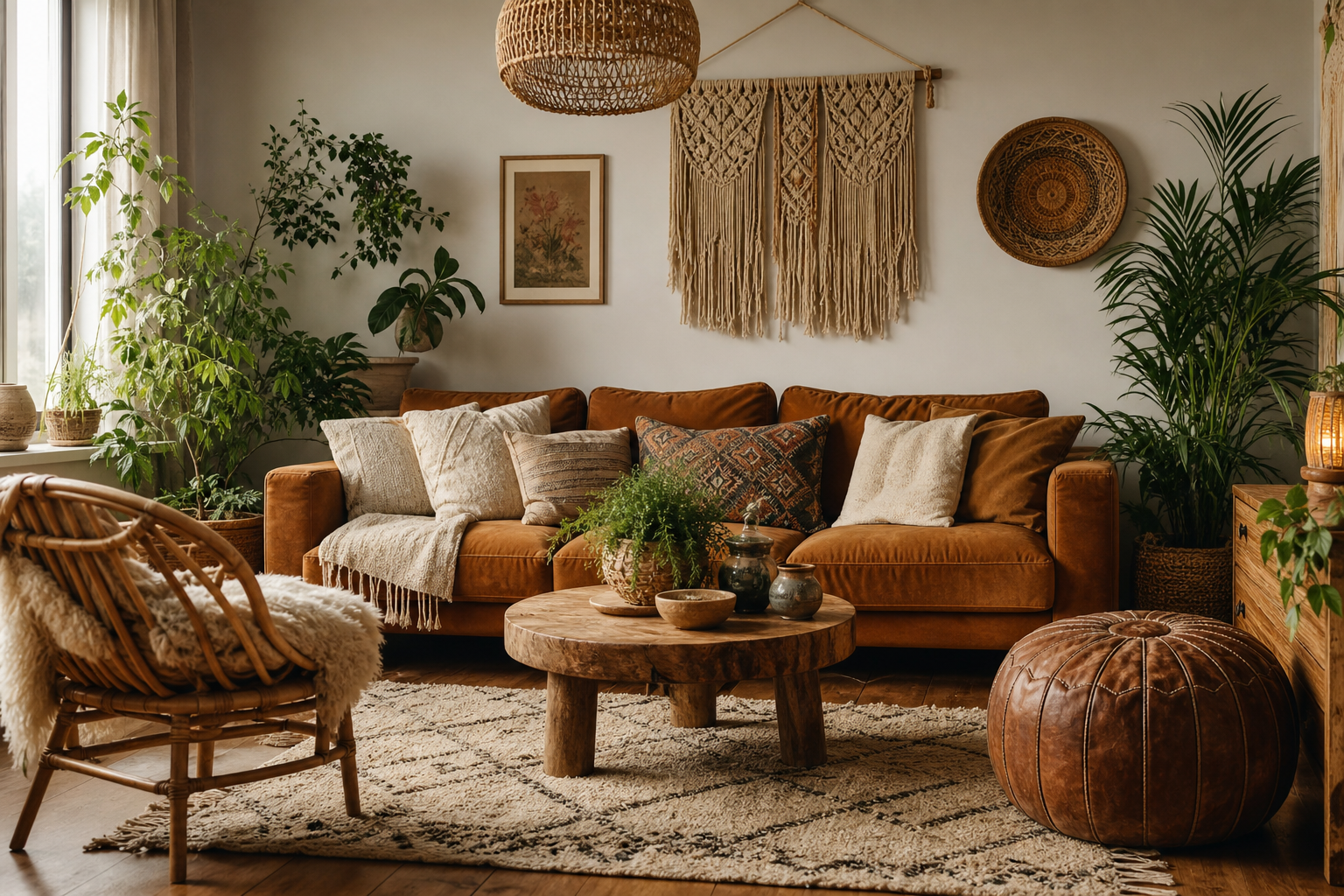

For commercial interiors, warmth is more than a mood; it shapes how clients, staff and guests feel in a space. Boho Interior Design: Bringing Warmth into Your Home may sound residential, yet its principles translate well to offices, studios, hospitality settings and serviced apartments. As editors observing design trends across the UK market, we see boho styling used less as cluttered decoration and more as a practical language of texture, comfort and personality.
Why Boho Interior Design: Bringing Warmth into Your Home Works for Business Spaces
Business interiors often need to do several jobs at once. They must support productivity, reflect brand values and remain durable under daily use. Boho interior design helps because it feels relaxed without being careless. Layered textiles soften acoustics, natural materials add tactility, and collected objects can make a venue feel established rather than newly dressed for a launch.
For B2B decision makers, the advantage is flexibility. A boho scheme can be modest or premium, neutral or colourful, highly curated or deliberately informal. This makes it useful for brands that want to appear approachable while still presenting a confident, memorable environment.
Core Elements That Create Warmth
Warmth in boho design comes from choices that can be seen and felt. Instead of relying on one statement item, the style builds atmosphere through many smaller decisions. In commercial projects, those decisions should also consider cleaning, fire safety, traffic flow and maintenance, so the finished space looks inviting after the opening week.
Materials with a Human Feel
Natural and low-sheen materials sit at the heart of the look. Rattan, cane, timber, jute, linen, wool and terracotta give rooms a grounded quality. They also age more gracefully than many glossy finishes, which is helpful in workplaces and venues where surfaces are touched often.
For procurement teams, specifying these materials does not have to mean ignoring performance. Contract-grade fabrics, sealed timber, washable rugs and robust woven shades can support the design language while meeting practical expectations. The key is to choose texture deliberately, rather than adding it as an afterthought.
Colour, Light and Layering
Classic boho palettes often start with warm neutrals: oat, clay, sand, cream and muted brown. These shades can be lifted with rust, olive, indigo or ochre, depending on the brand personality. In a client-facing space, a restrained palette usually feels more refined than a busy mix of every global reference.
Lighting is equally important. Soft pools of light from wall lamps, pendants and shaded table lamps reduce harshness. Layering matters too: a woven blind, a linen curtain, a textured cushion and a ceramic lamp can make even a compact meeting room feel considered.
Applying Boho Style Across Commercial Interiors
The strongest schemes adapt the spirit of boho design to the purpose of the place. A boutique hotel may suit deeper colour and abundant planting, while a legal reception area may need only subtle texture, warmer lighting and handcrafted accessories. The aim is not to copy a domestic living room, but to borrow its sense of ease.
Useful applications include:
- Reception areas with timber consoles, woven seating details and calm artwork that reduce the sense of waiting.
- Breakout spaces with layered rugs, mixed cushions and planting to encourage informal conversation.
- Hospitality rooms with tactile headboards, ceramic lighting and local craft pieces that avoid generic styling.
- Retail environments with baskets, timber display plinths and earthy colour blocking to add depth.
In each case, editing is vital. Boho interiors can quickly become visually noisy if every surface carries pattern. Leaving breathing space around furniture and displays helps customers and employees notice the details that matter.
Balancing Character with Brand and Budget
A warm interior still needs commercial discipline. Before buying furniture or accessories, teams should define what the brand should feel like in physical form. Calm, creative, ethical, luxurious and community-led are different messages, even if they all can use boho references.
Budget control comes from prioritising impact. Large textured surfaces, such as rugs, curtains and feature walls, often change the mood more than many small ornaments. Vintage and reclaimed pieces can add individuality, but commercial suitability must be checked carefully. Stability, cleanability and replacement availability matter when spaces are used by many people.
Keeping the Scheme Professional
The friendly nature of boho design should not be confused with a lack of structure. Repetition creates polish. Repeating the same timber tone, metal finish or accent colour across a floor plan gives the eye a route through the space.
Scale also matters. Oversized pendants, generous planters and substantial lounge chairs can feel confident in larger offices or hotels. In smaller premises, slimmer furniture and fewer decorative layers usually give a warmer result than crowding the room.
Common Mistakes to Avoid
The most common mistake is treating boho as a shopping list. Macramé, patterned rugs and rattan chairs do not automatically create warmth. Without a clear palette and a purpose for each item, the result can feel themed rather than authentic.
Other issues include:
- Using too many patterns at similar scale, which makes rooms feel restless.
- Choosing delicate accessories that are unsuitable for high-traffic commercial use.
- Forgetting storage, so curated shelves become dumping grounds for daily operations.
- Ignoring accessibility, circulation and seating comfort in favour of visual effect.
There is also a cultural consideration. Boho style draws on a wide range of craft traditions and travel references. Responsible schemes avoid tokenism by favouring genuine craft, honest material descriptions and thoughtful placement over vague exotic styling.
Frequently Asked Questions
Is boho interior design suitable for corporate offices?
Yes, when it is edited carefully. Natural textures, warm lighting and controlled colour can soften corporate spaces without undermining clarity, focus or professionalism.
How can a boho scheme remain easy to maintain?
Specify contract-grade fabrics, sealed surfaces, washable textiles and accessible storage, then keep decorative layers purposeful rather than excessive.
What makes boho design feel warm rather than messy?
Warmth comes from consistent colour, varied texture, comfortable furniture and enough negative space for every piece to breathe.