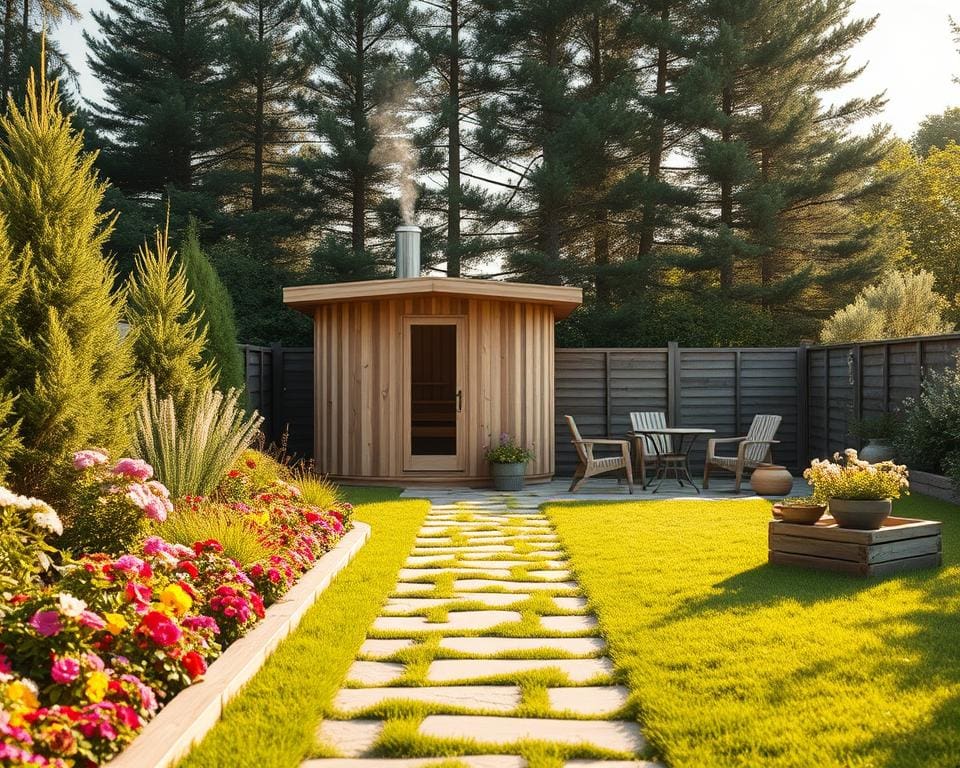

A garden sauna offers a simple way to bring Scandinavian outdoor living into your British garden. It gives you a dedicated place for warmth, quiet and time outdoors, without leaving home. With the right design, it can feel like a natural part of your garden rather than a separate building.
Your outdoor sauna UK options may include a standalone timber cabin, a compact barrel sauna or a modern garden-room design. The best choice will depend on your available space, budget and preferred style. A well-planned home sauna can also suit both small urban gardens and larger rural plots.
You can build a wider garden wellness space around the sauna with planting, outdoor seating, a shower and a sheltered changing area. This turns a backyard sauna into a more useful place for daily relaxation. A sauna may help you pause and unwind, but it should support, not replace, medical advice or treatment.
In this guide, you will explore the benefits of a garden sauna, ways to choose the right style and ideas for a polished British garden. You will also learn how to plan installation, position the sauna well and care for it through every season.
Why a garden sauna can transform your outdoor space
A garden sauna can turn an unused corner into a purposeful garden retreat. Scandinavian garden design brings simplicity, natural materials and practical comfort together. The result is a calming outdoor space that feels connected to the landscape.
Creating a calm Scandinavian-inspired retreat at home
A Nordic sauna works well as a clear focal point in a quiet part of your garden. Pale or dark timber, clean lines and restrained details give a timber sauna cabin a calm, modern look. Simple lighting and an uncluttered layout help the structure feel peaceful rather than imposing.
Use planting to soften the building and link it with your garden. Grasses, ferns, birch-style plants and evergreen shrubs suit a minimalist garden. Natural paving can create a clear route from your home to the sauna. Traditional British borders, brickwork and stone can sit comfortably beside Nordic simplicity.
Privacy shapes the experience. Check views from your house and neighbouring gardens before you choose the position, windows or screening. Warm-toned lights, comfortable seating and a sheltered path can turn the space into a welcoming home relaxation room and a useful stress relief space.
Supporting relaxation, wellbeing and time spent outdoors
Heat encourages sweating and can help your body settle after a busy day. Many people use sauna sessions to support relaxation, circulation and a calmer mood. This form of sauna wellbeing can become part of a wider outdoor wellness routine.
Your garden sauna can support relaxation at home without a long journey. Slow breathing, quiet music and a few minutes of mindfulness can deepen the sense of calm. Add gentle scents from suitable essential oils, if the sauna manufacturer permits them. Soft seating outside gives you space to cool down and enjoy the restorative garden around you.
For practical guidance on heat, routines and comfort, explore sauna wellbeing and relaxation. Personalise each session to suit your comfort, health needs and daily routine.
Enjoying your garden sauna throughout the seasons
A year-round garden sauna can make outdoor living feel more rewarding in every month. In spring and summer, open the door to fresh air and birdsong. Use nearby planting, shade and water to create a relaxed setting for all-season outdoor living.
A winter sauna offers a different kind of pleasure. A warm cabin, crisp air and a clear night sky can make sauna in winter feel deeply restorative. With suitable insulation, drainage and a weatherproof garden sauna design, you can create a reliable seasonal garden retreat.
Think about safe access in cold weather. Non-slip paving, outdoor lighting and a dry place for towels make winter sauna visits easier. These details help your garden remain a comfortable part of your daily life, even when temperatures fall.
Choosing the right garden sauna for your lifestyle
The best sauna should suit your garden, routine and household. The main garden sauna types include barrel designs, cabin models, contemporary pods and bespoke builds. Each option affects space, cost, comfort and the way you use the sauna.
A barrel sauna has a curved profile and a small footprint. Its rounded shape can heat the internal volume efficiently, which makes it useful for a smaller garden. The curved interior can limit bench positions and furniture choices, so check the layout before you order.
A cabin sauna has straight walls and a familiar garden-building appearance. You can place benches, lights and storage with greater freedom. An outdoor sauna cabin may suit you if you want simple access, a clear layout and a design that blends with nearby buildings.
Contemporary sauna pods and garden rooms offer more scope for large windows, changing areas and relaxation space. They need more room and tend to cost more. An indoor-outdoor or bespoke sauna can be shaped around a view, a boundary or an existing building, giving you greater control over the materials and layout.
Think about how many people will use the sauna at one time. A compact garden sauna may be enough for one or two people, while a larger model gives family and guests more room. Measure the available area for the structure, access path, base and any changing space.
- Choose a small model when quick solo sessions and a modest footprint matter most.
- Select a larger sauna if you need room for several users, changing or cooling down.
- Allow space around the building for maintenance, ventilation and safe access.
Your heater choice will shape daily use. An electric sauna heater is easy to switch on and does not need fuel storage. Electrical work should be designed and installed by a suitably qualified professional, with the installation meeting current UK requirements.
A wood-burning sauna can offer a traditional heat and the gentle sound of burning logs. It needs a suitable flue, safe clearances, dry fuel storage and careful compliance with installation rules. Ask the supplier to explain the flue route, hearth and ventilation needs before purchase.
Match the heater output to the sauna’s internal volume. Insulation, glazing and ventilation affect the required power, so use the manufacturer’s sizing guidance. A heater chosen for its appearance alone may struggle to heat the room evenly or may use more energy than needed.
Inspect the construction before you compare prices. Look at the timber species, external cladding, insulation, vapour control, flooring and roof covering. Door seals, drainage and timber treatment can affect comfort, durability and future maintenance.
Glazing can connect you with the garden and make a small room feel larger. Large glass panels may increase heat loss, reduce privacy and affect heater sizing. Consider the window position, glass specification, screening and the view from the benches.
Accessibility deserves attention from the start. Check the door width, threshold, bench height and route from your home. Level access can make entry easier, while a firm, well-drained path improves safety in wet British weather.
Use this sauna buying guide to build a complete budget. Include the structure, base, delivery, cranage or access equipment, heater and electrical connection. Add paving, screening, lighting, drainage and future timber care to avoid unexpected costs.
Before ordering, check the supplier’s guarantee, installation responsibilities and timber treatment requirements. Confirm heater certification, replacement parts and after-sales support. Ask who will repair the structure or heater if a problem appears after installation.
Review local planning constraints before you commit to a design. Take extra care if the sauna is near a boundary, in a conservation area, within the grounds of a listed property or close to protected trees. A supplier or qualified professional can help you identify suitable checks for your garden.
Garden sauna design ideas for a stylish British garden
A thoughtful garden sauna design should feel part of your home and landscape. Start with the garden’s existing colours, textures and planting. A clear plan will help you create a calm retreat rather than an isolated outdoor room.
Selecting natural materials and a Nordic-inspired finish
Timber sits at the heart of the sauna experience. It feels warm, natural and connected to the outdoors. A well-made timber sauna can suit both a small city garden and a larger rural setting.
Inside, spruce, pine and aspen are popular softwood choices for panelling and benches. Each has a gentle appearance and suits the warm, dry conditions of a sauna. Follow your supplier’s advice, especially when choosing timber for areas exposed to high heat.
Benches should feel smooth and comfortable under bare skin. They should not hold excessive heat, which can make sitting unpleasant. Choose an internal finish that is durable, easy to clean and free from unsuitable paint or coatings.
External finishes shape the sauna’s colour, weather resistance and presence in the garden. Untreated timber can age into a soft silver tone. Natural oils and stains protect the surface while keeping the grain visible. Painted cladding offers stronger colour control, while charred timber gives a deep, textured finish.
Vertical sauna cladding, simple trim and dark metalwork can create a clean Nordic garden style. Avoid glossy surfaces and heavy decoration if you want a quiet, contemporary feel. A Scandinavian garden building can still reflect local character through York stone, slate, brick, gravel, reclaimed timber and suitable native planting.
Look for responsibly sourced timber and credible certification, such as FSC certification where appropriate. Durable construction can reduce repairs and replacement work. Choose finishes with clear maintenance guidance, so you know how to protect the building through wet winters and bright summers.
Positioning your sauna for privacy, views and convenience
Good garden sauna positioning balances privacy, sunlight, access and the view from the bench. A sauna with a view towards trees, planting or open countryside can make each session feel more spacious.
Consider the garden sauna placement from inside your house as well as from the patio. The best outdoor building location may sit near the rear door for easy access, or at the end of the garden for a stronger sense of escape.
Use planting, trellis panels or timber garden screening to shield the sauna from nearby windows. Keep enough space around the building for maintenance and safe movement. Avoid placing it beneath weak branches or close to areas that remain waterlogged.
A private garden sauna should feel secluded without blocking the whole garden. Low planting can soften the base, while taller grasses and evergreen shrubs provide cover throughout the year. Warm, low-level exterior lights can guide you along the path without disturbing the calm setting.
Discreet path lighting improves access after dark. All electrical fittings must suit their location and be installed safely by a qualified professional. Soft interior illumination can make the sauna inviting without creating glare through the windows.
Adding an outdoor shower, seating area and changing space
A garden sauna with shower makes the routine easier and helps you cool down between sauna sessions. If you are planning an outdoor shower UK homeowners should select weather-resistant fittings and check the plumbing, drainage and winter protection requirements.
Place the shower close to the sauna, with a non-slip surface beneath it. Slate, textured stone and well-drained gravel can complement the building. The same natural garden materials can link the sauna to paths, borders and nearby paving.
A sauna changing room gives you space to store towels, robes and sandals. It can sit inside the building or within a small adjoining section. Ventilation, durable flooring and practical hooks will keep this area fresh and easy to use.
Extend the layout with sauna decking that feels secure underfoot. Add an outdoor seating area for cooling down, reading or sharing a drink. A bench, two chairs and a small table can form a simple garden relaxation area without taking over the space.
Keep outdoor seating close enough for comfort, yet away from the sauna door and shower splash. Soft planting, screened boundaries and warm light can make the whole setting feel considered. The result is a useful retreat that fits naturally into your British garden.
Planning, installing and caring for your garden sauna
Begin your garden sauna installation with a careful site survey. Check access for delivery, ground conditions, levels, drainage, tree roots and nearby services. You should also review boundary distances, local restrictions and the proposed position. A stable base, such as a designed concrete slab, paving system or ground screws, must support the building and let rainwater drain away.
Sauna planning permission UK rules vary with the site and structure. Permission is not needed for every sauna, but permitted development conditions may apply. Listed buildings, conservation areas, Areas of Outstanding Natural Beauty, Green Belt land, protected trees, restrictive covenants and close boundaries need extra care. Check the Planning Portal and speak to your local planning authority before work begins. Garden building regulations may also apply, based on the sauna’s size, construction, use and services. A qualified designer, installer or building control service can advise you.
Good installation affects comfort, safety and energy use. Insulation, vapour control, door seals, bench design, roof details and sauna ventilation all matter. A qualified electrician should install and certify the heater, controls, earthing, consumer-unit work and outdoor cables. Follow the heater maker’s instructions for clearances and equipment. For a wood-burning heater, plan the hearth, flue, roof opening, ventilation and combustible-material gaps with care. Before regular use, test the heater, lighting, controls, door, drainage and external surfaces, then follow the supplier’s first-heating and cleaning guidance.
Effective sauna maintenance protects your investment. Keep the interior clean and dry, avoid varnish on internal timber, and inspect the roof, cladding, gutters, flashing, seals and base. Check stones, guards and controls, and keep ventilation openings clear. Use only suitable products on external timber. Drain or protect outdoor shower pipes before freezing weather. For outdoor sauna safety, keep flammable items away from the heater, supervise children, avoid alcohol, drink water and leave if you feel unwell. Never leave a lit wood-burning heater unattended. With proper care, your sauna can remain a comfortable and attractive part of your garden for years.