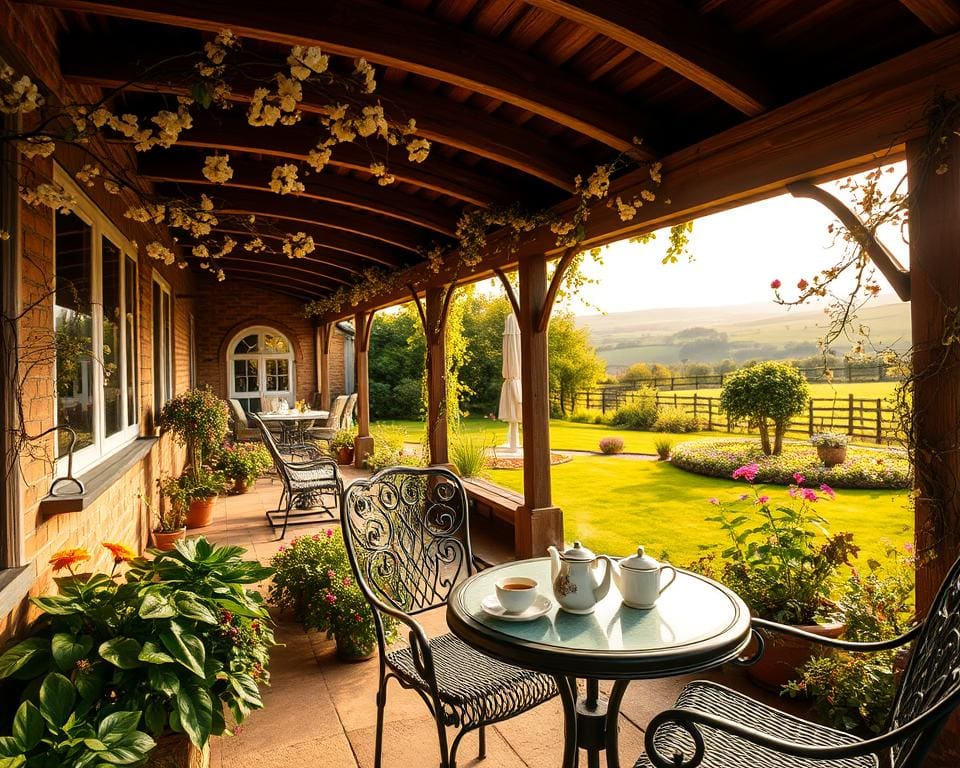

A covered patio can act as a practical extension of your home. It creates a sheltered outdoor room for morning coffee, family meals, reading and entertaining. With the right patio cover, you can enjoy your garden without waiting for warm, dry summer days.
In the UK, rainfall, wind, temperature changes and bright sunshine can affect how often you use your garden. The Met Office highlights this varied weather throughout the year. A well-planned garden shelter offers shade and protection while keeping you connected to the planting, views and fresh air.
Your outdoor living space could support a barbecue, a quiet evening or a gathering with friends. Flexible shade solutions for every garden can add comfort when the weather changes. This helps you create a more useful all-weather garden without losing its natural character.
Good results depend on more than adding a roof. You should consider drainage, ventilation, lighting, heating, furniture, privacy and the style of your property. The Royal Horticultural Society also recommends planning around how you use a space and how it links with your home.
Before work begins, check planning requirements, building regulations and any property restrictions. Planning Portal and GOV.UK explain that rules can depend on the structure’s size, position and height. This article explores the benefits of extending your outdoor living season, design choices for comfort and style, and the planning and maintenance work that keeps your covered patio in good condition.
Why a covered patio extends your outdoor living season
A covered patio gives you more freedom to use your garden when British weather changes without warning. Light rain need not cancel a meal, a visit or a quiet evening outside. These are key benefits of a covered patio, though a roof cannot make the space fully weatherproof.
Good planning matters. The Met Office highlights the need to consider rainfall, wind and changing temperatures when you plan outdoor activities. A flexible patio shelter gives you useful weather protection, yet forecasts and seasonal judgement remain important.
Enjoy outdoor living in changing British weather
Choose a roof pitch and edge detail that guide rain away from seats and walkways. Gutters, downpipes, rainwater butts and drainage channels can control runoff. They help prevent standing water near the patio and protect nearby paving.
Wind-driven rain, cold air and storms may still affect comfort. Open sides, adjustable screens and outdoor curtains let you respond to each forecast. Retractable awnings and louvred roofs give you control over shade, airflow and shelter.
Shade can be valuable in bright summer weather. It reduces glare on dining surfaces and makes warm afternoons more pleasant. Ventilation remains vital beneath a solid roof, especially when you use a barbecue, heater or cooking equipment.
Create a comfortable space for entertaining
A covered patio can support relaxed outdoor entertaining across more of the year. Arrange seating around a table, fire bowl or safe focal point to encourage conversation. Fire pit ideas for garden gatherings can bring warmth and interest to cool evenings.
Outdoor sofas, lounge chairs and benches make the space suitable for longer visits. Weather-resistant cushions, blankets and throws add comfort when temperatures fall. Soft lighting from lanterns, string lights or low-level garden fittings can extend the evening without harsh glare.
Use heating equipment with care. The Health and Safety Executive advises adequate ventilation and compliance with the manufacturer’s instructions. Fuel-burning heaters must not be used in poorly ventilated enclosed areas because carbon monoxide can build up.
Use your garden for more months of the year
A well-designed patio can act as a garden room without becoming a fully enclosed extension. It creates a useful link between your home and planting areas. This can turn an underused lawn edge or paved corner into a more usable garden.
Think of the space as an all-season patio with adjustable features rather than a room for every condition. Screens, curtains, movable furniture and optional heating help you adapt from spring through winter. Low temperatures and severe storms may still call for indoor plans.
Keep circulation routes clear and place heaters, cables and cooking equipment with care. RoSPA recommends reducing trip, burn, fire and slip risks in outdoor areas. Stable paving, secure fittings and good drainage make outdoor living safer for you and your guests.
Covered patio design ideas for comfort and style
A thoughtful covered patio design should feel like part of your home, not an added shelter. The roof acts as a weather barrier and a strong architectural feature. Its shape, colour and materials should suit your property, garden design and surrounding buildings.
Before choosing a style, assess the roof pitch, load-bearing capacity, drainage and wind exposure. Check access for future maintenance. A roof attached to your house, covering a large area or using heavy materials may need advice from a structural professional.
Choose roofing materials that suit your home
Polycarbonate sheets are light and popular for a patio canopy. They let daylight through, yet rain can sound loud on the surface. Solar control is important, since unprotected sheets may make the space too hot.
Glass gives you a clear view of the sky and garden while preserving natural light. It needs safety glazing, strong structural support and regular cleaning. You should assess solar gain before choosing a large glass roof.
Tiled or slate-style roofs create a solid look that suits traditionally built homes. Their weight may demand substantial support. Timber structures offer warmth and suit period or rural properties, though exposed timber needs protection, inspection and periodic treatment.
Aluminium is durable and needs little upkeep when correctly specified. Powder-coated frames and adjustable louvred roofs offer flexible control over sun and rain. Retractable fabric awnings provide shade and light rain protection, yet they are not a replacement for a permanent roof in severe weather.
Transparent or translucent materials help preserve daylight. Opaque roofing gives stronger shade but may increase the need for daytime and evening lighting. Select products suited to the UK climate, with protection against corrosion, water ingress, algae, moss, staining and wind uplift.
Add outdoor heating, lighting and weather-resistant furniture
Good comfort comes from more than the roof. Outdoor heating can extend use into cool evenings, with infrared heaters offering focused warmth beneath a covered roof. Electrical work should be planned with safety in mind and completed by a qualified professional.
Outdoor lighting should support meals, conversation and safe movement. Combine soft wall lights with focused task lighting over a table or cooking area. Opaque roofs may need brighter fittings, while clear roofs can make better use of daylight.
Choose weather-resistant furniture made for moisture, changing temperatures and regular use. Powder-coated aluminium, treated timber and quality synthetic rattan can work well when they have suitable protection. Leave space for covers, cushions and easy cleaning.
Combine shelter, privacy and attractive garden views
Use screens, trellis panels or planting to create garden privacy without blocking every view. Slatted timber can soften strong winds, while climbing plants add colour and link the patio with the wider garden design.
Frame a favourite tree, border or lawn from the seating area. A carefully placed patio canopy can shelter you from rain while keeping the garden visible. Check drainage and water flow around screens, posts and paving before construction.
Rules can vary across England, Wales, Scotland and Northern Ireland. The Planning Portal explains how the size, height, position and design of a cover may affect planning permission. GOV.UK building regulations guidance covers matters such as structural stability, drainage, glazing and electrical work. British Standards from the BSI can guide safe glazing, electrical components, structural products and protective finishes. Ask a qualified designer or contractor to check the relevant requirements for your project.
Planning and maintaining a covered patio
Before you begin, check covered patio planning permission, patio building regulations and garden structure regulations. Rules differ across the UK. In England, some projects may fall under permitted development rights, but limits and exclusions apply. Wales, Scotland and Northern Ireland use different planning systems. Check the Planning Portal, your local planning authority and GOV.UK before ordering materials. You may also need listed building consent, conservation area consent or landlord approval. Leasehold covenants, estate design codes, protected trees, national parks and restrictive covenants can affect your plans.
Assess the site before construction starts. Check ground conditions, levels, foundations, wall strength, roof loading, wind exposure, underground services and access. Plan patio drainage so water flows away from your home and neighbouring land. Gutters, downpipes, channels, soakaways or rainwater harvesting may suit your garden. For design ideas, explore this stylish patio area guide. RICS advice can help with structural concerns, contracts and property restrictions, while the Met Office can inform choices for exposed or wet locations.
Good patio maintenance prevents small faults from becoming costly patio repairs. Clear gutters, outlets and drainage channels often. Inspect roof panels, seals, flashing, fixings and joints for leaks or movement. Treat timber when coatings fail, and check for rot or insects. Remove corrosion from metalwork and clean glass or polycarbonate with non-abrasive products. Remove moss from paving, wash cushions and store them somewhere dry and ventilated. Before seasonal use, inspect lighting, sockets, cables and heaters. Prune nearby trees and climbers to protect the roof and keep gutters clear.
Before winter, secure loose furniture, consider snow and wind exposure, and protect water and electrical systems where needed. Use competent contractors for structural work, roofing, gas appliances and fixed electrics. Written quotations should state the materials, foundations, drainage, waste removal, guarantees and approval responsibilities. Keep instructions, guarantees, installation records and service dates. With careful UK home improvement planning, a covered patio can offer safe, comfortable outdoor living for more months of the year.