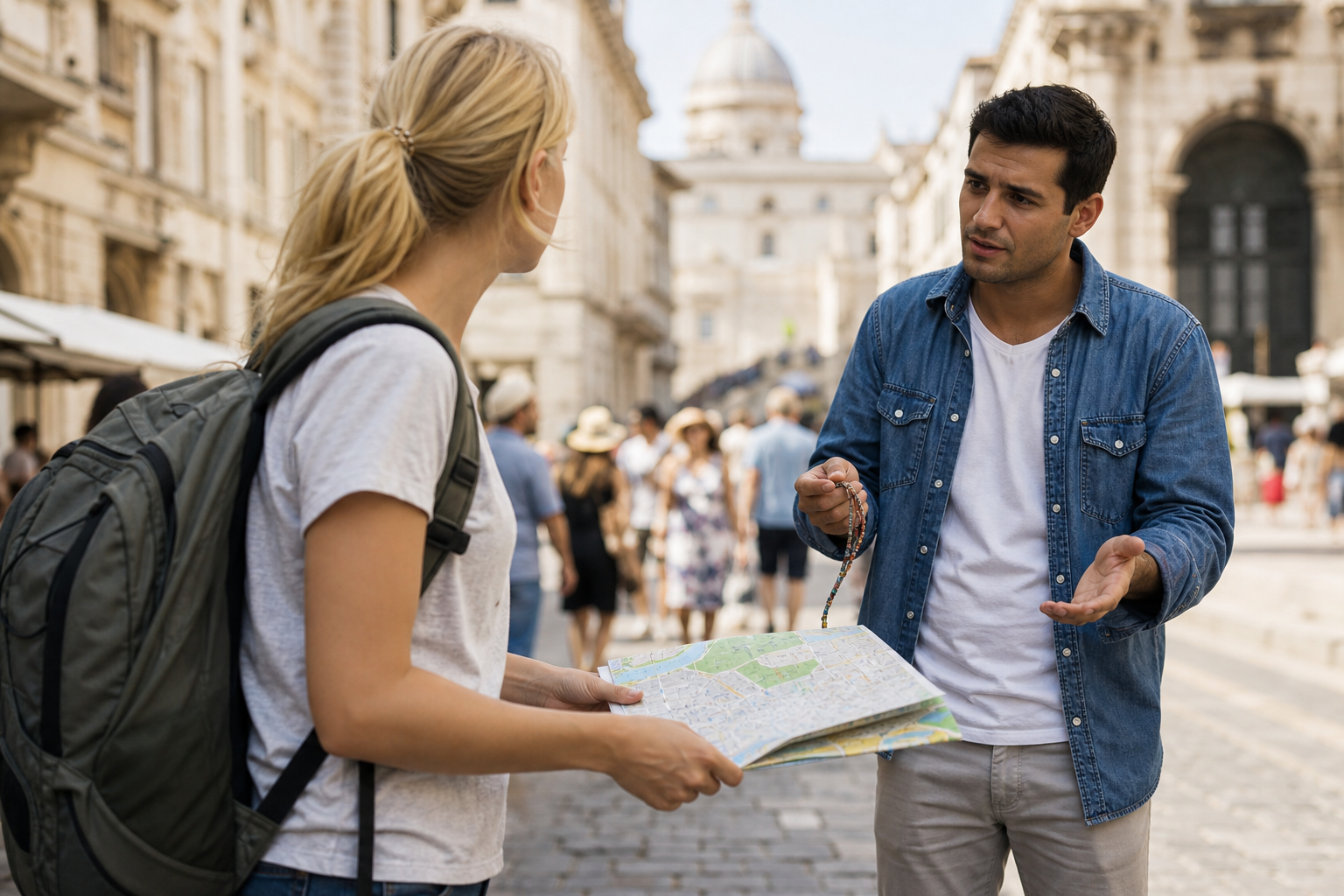

Travelling for business or leisure provides an invaluable opportunity to expand professional networks and recharge. However, the excitement of visiting a new city can often leave travellers vulnerable to opportunistic fraudsters. Understanding how to avoid common tourist scams on holiday is essential for ensuring that your trip remains productive and stress-free. By recognising the patterns used by scammers, you can protect your assets and maintain your focus on your primary objectives.
Understanding the Psychology of Travel Scams
Most scams rely on a combination of urgency, friendliness, and the traveller's lack of local knowledge. Fraudsters often target those who appear lost or overwhelmed, using a facade of helpfulness to lure victims into a trap. Whether it is a "free" gift that comes with a hidden cost or a fake official demanding a bribe, the goal is always to create a situation where the victim feels pressured to act quickly without thinking.
For B2B travellers, the stakes are often higher. Carrying corporate credit cards, high-end laptops, and sensitive data makes you a high-value target. Scammers may target business hotels or airport lounges, where they assume travellers have significant disposable income. Awareness is the first line of defence; once you recognise the script, the scam loses its power.
Common Transport and Street Scams
Transport hubs are hotspots for deception because travellers are often tired and distracted. One of the most frequent issues involves unlicensed taxis or "rogue" drivers who refuse to use a meter. These drivers may quote a price that seems reasonable initially, only to demand a significantly higher amount upon arrival, claiming there was a traffic detour or a misunderstanding of the destination.
The "Broken Meter" Tactic
The broken meter is a classic ruse. The driver claims the equipment is malfunctioning and suggests a flat rate. This rate is almost always inflated. To counter this, always insist on a metered fare or use a reputable ride-sharing app where the price is transparent and tracked via GPS. If a driver refuses to turn on the meter, it is usually safer to exit the vehicle and find another.
The Helpful Stranger and the "Closed" Attraction
Another common street scam involves a friendly local informing you that the museum or landmark you are visiting is closed for a private event or holiday. They will then offer to take you to an "even better" alternative. This alternative is typically a shop or a gallery where the guide receives a commission for bringing in tourists, often pressuring you to buy overpriced jewellery or art.
Financial Security and Payment Traps
Financial scams have evolved beyond simple pickpocketing. While physical theft remains a risk, digital and payment-based fraud is on the rise. From skimming devices on ATMs to "distraction" thefts at cafes, the methods are varied.
To maintain security, consider the following precautions:
- Use ATMs located inside bank branches rather than standalone machines on the street to avoid skimming devices.
- Keep your passport and primary credit cards in a secure, hidden money belt or a hotel safe.
- Carry a small amount of local currency for basic needs to avoid relying on poorly rated exchange kiosks.
- Notify your bank of your travel dates to prevent your cards from being blocked during legitimate transactions.
When paying for services, always double-check the bill before handing over your card. In some regions, "surcharge" scams occur where a business adds an undocumented fee for service or administration. If the final amount differs from the agreed price, politely but firmly question the discrepancy.
How to Avoid Common Tourist Scams on Holiday Through Digital Vigilance
In the modern era, scams have migrated to the digital space. Public Wi-Fi in airports and hotels is a primary vector for "man-in-the-middle" attacks, where hackers intercept your data. For those travelling on business, this can lead to the compromise of corporate credentials.
Using a Virtual Private Network (VPN) is non-negotiable for professional travellers. A VPN encrypts your internet traffic, making it significantly harder for third parties to steal your passwords or financial details. Furthermore, be wary of QR codes in public spaces that promise discounts or menus; some are designed to lead you to phishing sites that mimic legitimate payment gateways.
Avoiding Phishing and Social Engineering
Social engineering involves manipulating people into divulging confidential information. You might receive an email or a text message that appears to be from your hotel or airline, claiming there is a problem with your booking and asking you to "verify" your credit card details via a link. Always navigate directly to the official website or call the provider using a verified phone number rather than clicking links in unsolicited messages.
Managing Mobile Device Security
Your smartphone is your map, your wallet, and your communication hub. If it is stolen, you lose more than just hardware. Ensure that "Find My Device" is active and that you have a remote-wipe option configured. Additionally, avoid using "free" charging stations in public terminals, as "juice jacking" allows attackers to install malware or steal data through the USB cable.
Frequently Asked Questions
What should I do if I realise I have been scammed?
Immediately contact your bank to freeze any compromised cards and report the incident to the local police to obtain a formal report. This documentation is essential for insurance claims and helps authorities track repeat offenders in the area.
How can I tell if a tour guide is legitimate?
Check for official accreditation badges or licenses issued by the city's tourism board. Legitimate guides usually have a fixed price list and are happy to provide a written itinerary or a receipt before the tour begins.
Is it safe to use public Wi-Fi for business emails?
Public Wi-Fi is generally insecure and should not be used for sensitive corporate data without a reliable VPN. If a VPN is unavailable, using a mobile data roaming plan or a local SIM card is a much safer alternative.
How do I handle aggressive street vendors?
The most effective approach is to maintain a polite but firm "no" and keep walking without stopping. Engaging in a long conversation or showing hesitation often encourages the vendor to become more persistent in their tactics.
Which payment methods are the safest for international travel?
Contactless credit cards with two-factor authentication are generally the safest option as they offer better fraud protection than cash. However, always carry a backup card from a different provider to ensure you have funds if one is blocked.