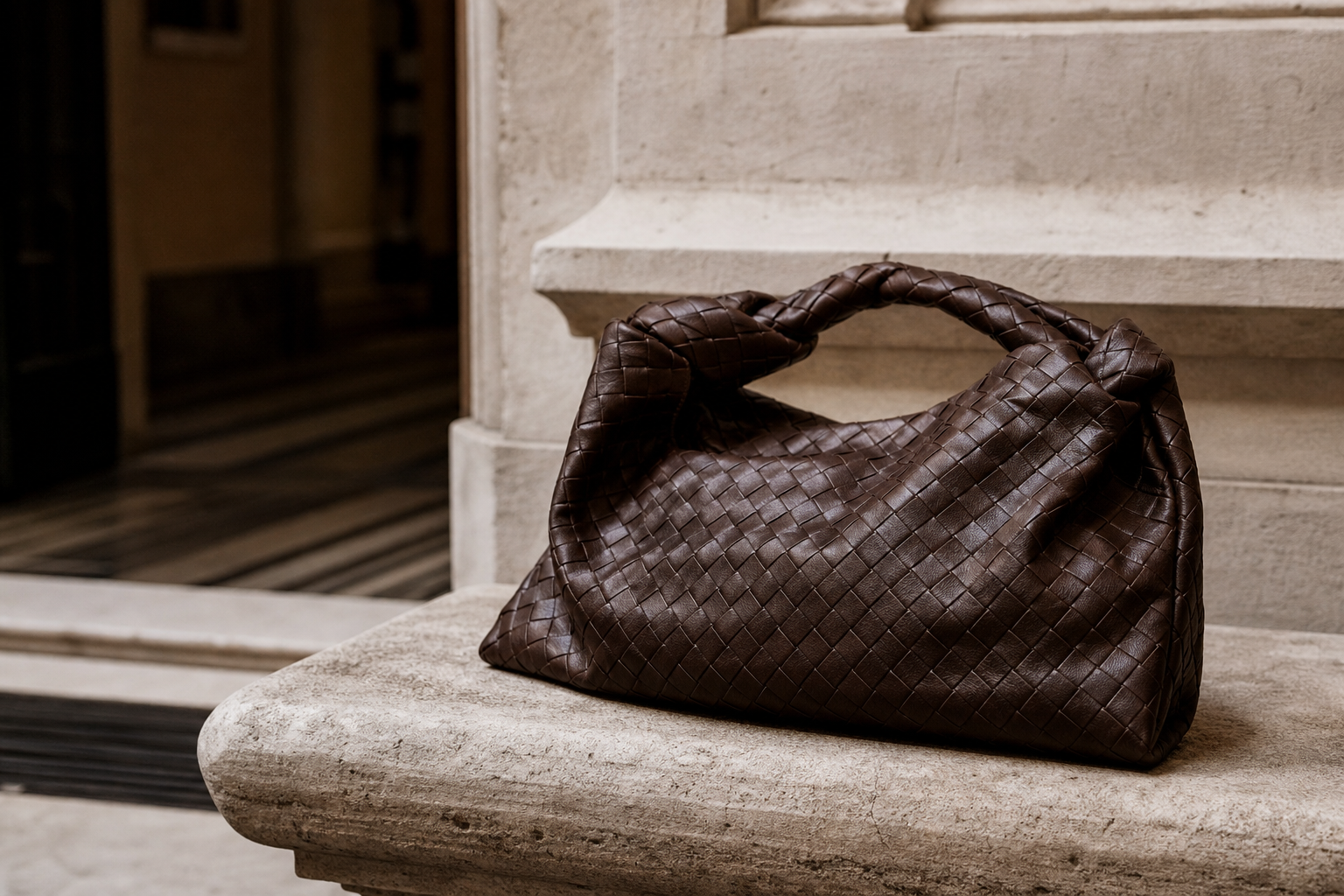

In the competitive landscape of luxury goods, few brands have managed to define a visual identity as clearly as Bottega Veneta. While many fashion houses rely on prominent logos to signal status, this Italian powerhouse chose a different path. By focusing on the tactile and visual rhythm of the Intrecciato technique, the brand transformed a functional craft into a global symbol of understated luxury. For B2B partners and luxury retail specialists, understanding Bottega Veneta and the Art of Woven Leather is essential to grasping how craftsmanship can serve as a primary brand differentiator in a crowded market.
The Heritage of the Intrecciato Technique
The story of the Intrecciato weave is rooted in necessity and ingenuity. In the 1960s, the artisans in the Veneto region faced a technical limitation: the sewing machines available at the time were designed for thicker leathers, whereas the brand wanted to create supple, lightweight handbags. To achieve the desired durability without sacrificing softness, they began weaving thin strips of leather together.
This innovation did more than solve a production problem; it created a signature aesthetic. The resulting pattern is a geometric grid that provides structural integrity while remaining flexible. Because the weave is integrated into the very fabric of the item, it does not require external reinforcement or heavy stitching, allowing the natural quality of the hide to remain the focal point.
Bottega Veneta and the Art of Woven Leather as a Business Strategy
From a commercial perspective, the decision to avoid overt branding was a masterstroke of positioning. In the luxury sector, this is often referred to as "quiet luxury." By making the weave the logo, the brand appealed to a sophisticated clientele who value discretion and quality over conspicuous consumption.
The Psychology of Stealth Wealth
For the B2B luxury distributor, the appeal of the Intrecciato weave lies in its exclusivity. It creates an "insider" knowledge system where only those familiar with the craft recognise the piece. This strategy builds intense brand loyalty and protects the product from the volatility of logo-driven trends. When a product's value is tied to the skill of the artisan rather than a printed symbol, its perceived longevity increases.
Scaling Craftsmanship in a Global Market
Maintaining the integrity of woven leather while scaling production is a significant operational challenge. The brand has managed this by investing heavily in artisanal training. Unlike machine-stamped patterns, true Intrecciato requires a human hand to ensure the tension of the weave is consistent across the entire surface. This commitment to manual labour justifies the premium price point and ensures that each piece retains a level of uniqueness that mass-produced luxury cannot replicate.
The Material Science of Luxury Weaving
The success of the weave depends entirely on the quality of the raw materials. Not every leather is suitable for the Intrecciato process; the hide must be pliable enough to bend without cracking, yet strong enough to hold its shape over years of use.
The brand typically employs high-grade nappa leather, known for its buttery texture and fine grain. The process involves several critical steps:
- Selection: Choosing hides with minimal imperfections to ensure the strips are uniform.
- Precision Cutting: Slicing the leather into perfectly equal widths to maintain the geometric symmetry of the weave.
- Manual Interlacing: Weaving the strips in a precise over-under pattern that locks the structure in place.
- Edge Finishing: Treating the edges of the woven leather to prevent fraying and ensure a seamless look.
Evolution and Modern Interpretation
While the classic weave remains the cornerstone of the house, the brand has not remained static. Recent creative directions have seen the introduction of "Maxi" weaves, where the leather strips are significantly wider. This shift updates the aesthetic for a contemporary audience, moving from a delicate texture to a bold, architectural statement.
This evolution demonstrates how a heritage technique can be adapted to meet modern consumer demands without losing its core identity. By playing with scale, colour, and proportion, the brand keeps the Intrecciato weave relevant across different generations of luxury buyers.
The Impact on the Luxury Supply Chain
For businesses involved in the leather goods supply chain, the Bottega Veneta model highlights the importance of vertical integration and artisan preservation. The reliance on a specific, labour-intensive skill means that the brand must actively cultivate a pipeline of skilled craftsmen.
This approach creates a sustainable ecosystem where traditional Italian leather-working skills are preserved. In an era of automation, the demand for hand-woven leather ensures that these ancestral techniques remain economically viable. For B2B stakeholders, this represents a shift toward "value-based" luxury, where the cost is attributed to the hours of human expertise rather than just the brand name.
Frequently Asked Questions
What exactly is the Intrecciato technique?
The Intrecciato technique is a traditional Italian method of weaving strips of leather together to create a durable, textured fabric. This process eliminates the need for heavy stitching and creates a signature geometric pattern that serves as the brand's primary visual identifier.
Why does the brand avoid using visible logos?
The brand focuses on "quiet luxury," believing that the quality of the craftsmanship should speak for itself. By using the woven leather as a signature, they appeal to clients who prefer discretion and timeless elegance over loud, branded fashion.
Is the woven leather more durable than smooth leather?
Yes, the weaving process generally increases the structural integrity of the item. The interlaced strips distribute tension more evenly across the surface, which helps the bag maintain its shape and resist tearing compared to a single sheet of leather.
How can a buyer distinguish genuine Intrecciato from imitations?
Genuine Intrecciato is characterised by perfectly uniform strips and a consistent tension throughout the weave. Because it is handcrafted, the edges are meticulously finished, and the leather possesses a specific suppleness that machine-made imitations often lack.
How has the weave evolved in recent collections?
The brand has introduced various scales of the weave, most notably the "Maxi" version which uses much wider strips of leather. This change transforms the delicate classic look into a more modern, bold, and structural aesthetic for contemporary fashion.