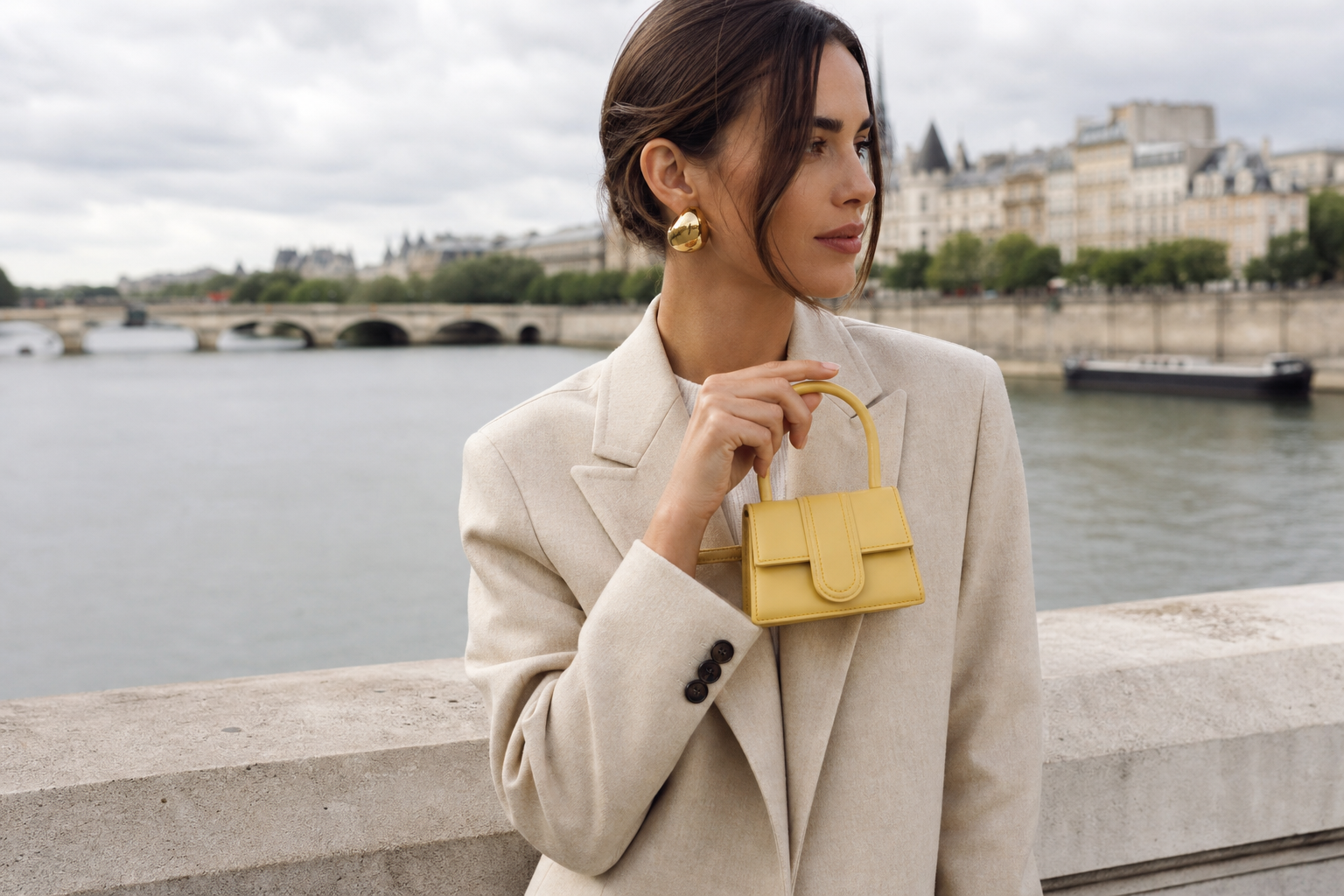

The luxury fashion landscape has shifted towards the conceptual, and few brands have mastered this transition as effectively as Simon Porte Jacquemus. By challenging the traditional utility of accessories, the brand has turned the handbag into a piece of wearable art. For B2B buyers, retailers, and fashion consultants, understanding the appeal of Jacquemus Mini Bags: Small Size, Big Style is essential for navigating current consumer trends in the UK luxury market. These pieces are not merely accessories; they are cultural markers of the "micro-bag" phenomenon.
The Rise of the Micro-Bag Trend in Luxury Retail
The emergence of the micro-bag represents a fundamental shift in how consumers perceive value and function. Historically, a luxury handbag was judged by its capacity and the quality of its leather. However, the modern luxury consumer, particularly within the Gen Z and Millennial demographics, views the bag as a stylistic punctuation mark rather than a storage tool.
Jacquemus leveraged this shift by introducing silhouettes that prioritised geometry and brand recognition over practicality. This strategy transformed the handbag from a functional item into a status symbol. From a retail perspective, this trend has opened new revenue streams, as these smaller items often serve as an entry point for new customers into the brand's ecosystem.
Design Philosophy and Market Appeal
The success of the Jacquemus aesthetic lies in its ability to blend Provençal nostalgia with sharp, modernist lines. The brand focuses on clean silhouettes and a palette that reflects the Mediterranean landscape, making the products highly photogenic and "Instagrammable."
The Le Chiquito Phenomenon
The Le Chiquito is perhaps the most influential example of the brand's approach. By shrinking a classic handbag shape to an almost absurd scale, Jacquemus created a conversation piece. This daring design choice forced the industry to rethink the definition of "luxury." For B2B distributors, the Le Chiquito demonstrated that scarcity and novelty can drive demand more effectively than traditional utility.
Materiality and Craftsmanship
Despite their diminutive size, these bags maintain a high standard of craftsmanship. The use of premium calfskin and structured piping ensures that the bags retain their shape, which is critical for maintaining the brand's architectural look. The attention to detail in the gold-tone hardware and the precision of the stitching allows these pieces to command a premium price point despite the minimal amount of material used.
Strategic Integration for B2B Fashion Buyers
For luxury boutiques and department stores in the UK, stocking these items requires a strategic approach to inventory management. Because the mini bag trend is driven by viral moments and seasonal colour drops, timing is everything.
When integrating these pieces into a curated collection, buyers should consider the following factors:
- Colour Palette Alignment: Selecting shades that align with the current UK seasonal trends, such as muted neutrals for autumn or vibrant pastels for spring.
- Cross-Selling Potential: Pairing mini bags with larger Jacquemus apparel pieces to create a complete "total look" for the customer.
- Display Aesthetics: Using minimalist shelving and lighting to highlight the architectural nature of the bags, as their small size requires focused presentation to attract attention.
- Target Demographic Analysis: Identifying high-net-worth individuals who prioritise fashion-forward statements over daily practicality.
Jacquemus Mini Bags: Small Size, Big Style and the Psychology of Consumption
The enduring popularity of these accessories is rooted in the psychology of "conspicuous consumption." When a consumer carries a bag that cannot fit a smartphone, they are sending a clear signal: they do not need the bag for utility because their needs are already met. This creates an aura of exclusivity and leisure.
In the professional B2B context, this means marketing these products not as "purses" but as "accessories" or "jewellery for the outfit." The narrative shifts from what the bag can hold to what the bag says about the wearer. This distinction is vital for sales teams when communicating the value proposition to high-end clients who are looking for the next definitive trend.
Impact on the Wider Luxury Accessory Market
The influence of Jacquemus has extended far beyond its own product line. Other luxury houses have since adopted the micro-trend, leading to a saturated market of miniature accessories. However, Jacquemus maintains its edge by consistently evolving the shapes and proportions.
The brand has successfully transitioned from a "viral fluke" to a staple of contemporary luxury. This stability is a result of balancing avant-garde designs with a consistent brand identity. For the UK market, where luxury consumption is often a blend of heritage and modernity, this balance makes the brand particularly appealing.
Frequently Asked Questions
Why are micro-bags popular despite their lack of functionality?
They serve as fashion statements and artistic expressions rather than utility tools, signalling the wearer's status and awareness of current high-fashion trends.
Which Jacquemus model is best for first-time luxury buyers?
The Le Chiquito remains the most iconic choice, offering immediate brand recognition and a timeless architectural shape that fits various styles.
How should retailers price these items in the UK market?
Pricing should follow the brand's global luxury positioning while accounting for local import duties and the perceived value of exclusivity in the UK.
Are mini bags considered a long-term investment for collectors?
While trends fluctuate, the early, iconic iterations of the mini bag are likely to hold value due to their role in fashion history.
What materials are typically used in the construction of these bags?
Most are crafted from high-grade smooth leather or textured calfskin, ensuring durability and a structured silhouette that resists sagging over time.