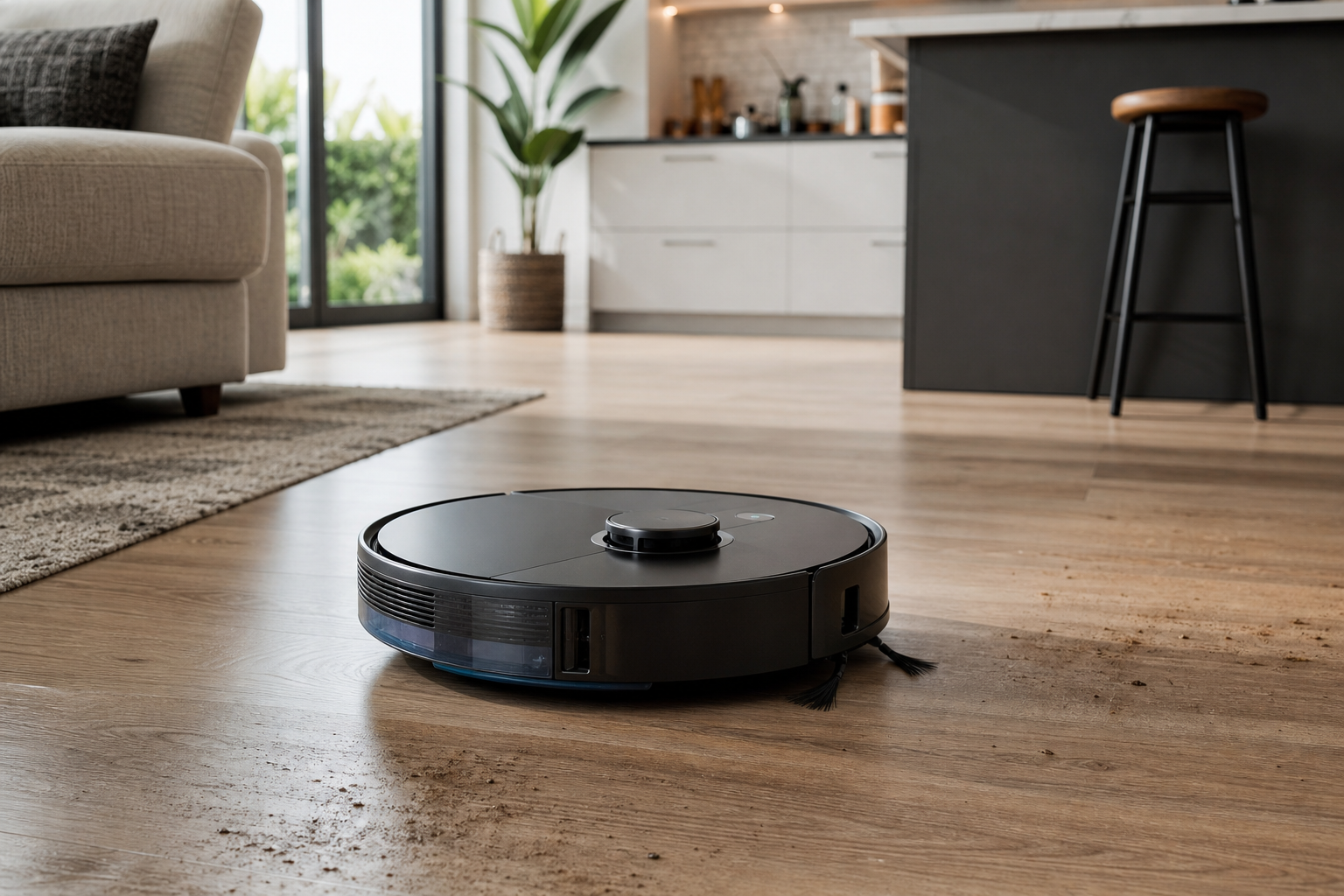

Maintaining a pristine professional environment is a non-negotiable for any UK business. From boutique showrooms and modern co-working spaces to small medical clinics, the appearance of a floor often serves as the first indicator of a company's attention to detail. Traditionally, this required a dedicated cleaning crew or significant staff hours. However, the rise of hybrid cleaning technology has changed the equation. Many facility managers are now asking: Robot Vacuum and Mop Combos: Are They Worth It?
For a B2B buyer, the answer depends on the specific layout of the premises, the type of flooring installed, and the volume of foot traffic. These devices aim to consolidate two distinct chores—vacuuming and mopping—into a single automated cycle. When implemented correctly, they can reduce operational overheads and maintain a consistent baseline of cleanliness.
The Operational Logic of Hybrid Cleaning Systems
Hybrid robots operate by combining a suction mechanism with a water-dispensing mop attachment. In a commercial setting, the primary goal is not usually a deep scrub—which still requires industrial machinery—but rather the maintenance of a "ready-to-visit" state. By removing dust and light spills simultaneously, these machines prevent the buildup of grime that can permanently damage expensive commercial flooring.
The efficiency of these systems relies heavily on their mapping capabilities. Most modern units use LiDAR or camera-based SLAM (Simultaneous Localization and Mapping) to create a digital blueprint of the office. This allows the business to set "no-go zones," ensuring the robot does not interfere with server cables, open doorways, or high-traffic reception areas during peak hours.
Evaluating the Return on Investment for Businesses
When assessing whether these devices are a viable investment, a business must look beyond the initial purchase price. The true value lies in the reallocation of human labour. If a staff member spends thirty minutes every evening tidying floors, that is time diverted from core business activities.
Reducing Labour Costs and Frequency
Automating the daily "maintenance clean" allows professional cleaning contractors to focus on high-touch points, such as door handles, keyboards, and restrooms. Instead of paying for a daily full-floor scrub, a business might move to a bi-weekly deep clean, relying on the robot for the intervening days. This shift can lead to a measurable reduction in monthly facility management expenditure.
Impact on Flooring Longevity
Dust and grit act like sandpaper on hard floors, wearing down sealants and finishes over time. By removing these particulates daily through automated suction, the lifespan of the flooring is extended. For businesses with high-end hardwood or polished concrete, the prevention of abrasive wear is a significant financial win.
Key Considerations for Commercial Environments
Not every office is suited for a hybrid robot. The effectiveness of a robot vacuum and mop combo depends on the environment's physical characteristics. A warehouse with wide aisles and concrete floors has different needs than a law firm with plush carpets and mahogany accents.
To determine if a specific model is suitable, consider these technical requirements:
- Floor Transition Height: Ensure the robot can climb the thresholds between different rooms without getting stuck.
- Water Tank Capacity: Larger offices require units with bigger tanks or "auto-refill" docking stations to avoid manual intervention.
- Noise Levels: For businesses that operate during the cleaning cycle, low-decibel models are essential to avoid disrupting clients or employees.
- Obstacle Density: Environments with excessive loose cabling or low-profile furniture may cause the robot to stall frequently.
Comparing Hybrid Units to Separate Machines
Some facility managers prefer buying a dedicated robot vacuum and a separate mopping unit. While this offers more power for each specific task, it doubles the amount of hardware to manage and the number of charging stations required.
The primary advantage of the combo unit is the streamlined workflow. A single device can vacuum the debris and then follow its own path with a damp mop, ensuring that dust is not simply pushed around the room. However, it is important to note that most hybrid robots perform "damp mopping" rather than "deep scrubbing." They are designed to remove light stains and dust, not to tackle heavy industrial grease or ingrained mud.
Integrating Automation into Facility Management
Integrating these tools requires a shift in how a business views its cleaning schedule. Rather than a single "cleaning night," the process becomes a continuous cycle. Scheduling the robot to run at 2:00 AM ensures that the office is fresh for the first employee arriving at 8:00 AM.
Furthermore, the data provided by these machines can be useful. Many apps show a "heat map" of where the robot spent the most time or where it encountered the most debris. This information can help a business identify high-traffic bottlenecks or areas where the building's layout may be causing an accumulation of dirt.
Frequently Asked Questions
Can these robots handle both carpets and hard floors?
Most hybrid models feature sensors that detect carpet. When the robot moves from a hard floor to a rug, it will either lift the mop attachment or stop the water flow to prevent the carpet from becoming damp.
How often does the water tank need refilling?
This varies by model and office size, but typically, a standard tank lasts for one full cleaning cycle of a medium-sized office. High-end commercial versions often include a base station that refills the water automatically.
Are robot mops effective against heavy stains?
These devices are designed for maintenance rather than restoration. While they handle daily dust and light spills effectively, they cannot replace a professional deep clean for heavy stains or ingrained grime.
Do they require a lot of manual maintenance?
Yes, the user must regularly empty the dustbin, clean the brush rollers of tangled hair or threads, and wash the mopping pads to ensure hygienic performance and prevent odours.
Will the robot damage delicate office flooring?
Most units use soft microfiber pads and controlled water flow, making them safe for sealed hardwood, tile, and laminate. Always check the manufacturer's compatibility list for specific luxury flooring materials.