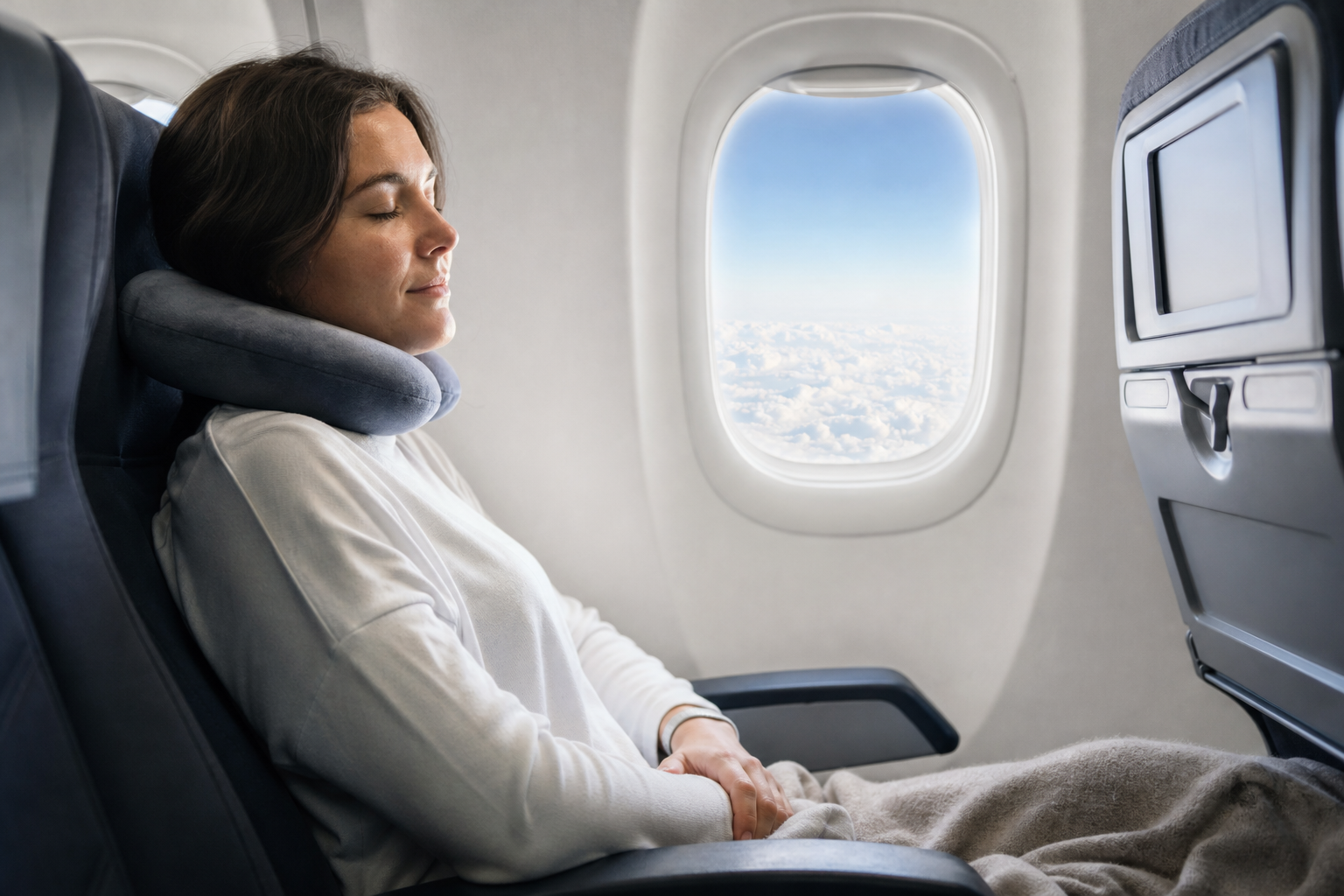

For the modern business professional, long-haul travel is often a necessary part of global expansion and client relationship management. However, spending ten or more hours in a pressurised cabin can lead to physical exhaustion and mental fatigue, potentially impacting your performance upon arrival. Mastering the art of the long-distance trip is not just about luxury; it is about maintaining productivity and wellbeing. This guide provides practical, professional strategies for Long-Haul Flights: Tips for a More Comfortable Journey, ensuring you arrive at your destination ready for the boardroom.
Strategic Planning and Preparation
The foundation of a comfortable flight begins long before you reach the airport. For B2B travellers, the goal is to minimise stress and physical strain through meticulous preparation. Selecting the right seat is the first critical decision. While the aisle offers freedom of movement, the window provides a place to lean and undisturbed sleep. For those prioritising circulation, an aisle seat is generally superior to prevent the stiffness associated with prolonged sitting.
Hydration is another pillar of pre-flight preparation. The air in aircraft cabins is notoriously dry, which can lead to dehydration, headaches, and a weakened immune system. Start increasing your water intake 24 hours before departure. Avoid excessive caffeine or alcohol during the journey, as these act as diuretics and can disrupt your sleep patterns, making the transition to a new time zone more difficult.
Optimising Your Packing List
What you carry in your cabin bag can significantly alter your experience. Instead of relying solely on airline-provided amenities, bring a curated kit designed for comfort and hygiene.
- Ergonomic Support: A high-quality memory foam neck pillow and a lightweight eye mask to block out cabin lights.
- Skin Care: A hydrating facial mist, lip balm, and moisturiser to combat the drying effects of the cabin air.
- Noise Management: Active noise-cancelling headphones to reduce engine drone and distractions from other passengers.
- Clothing: Breathable, layered clothing made from natural fibres like merino wool or cotton to adapt to fluctuating cabin temperatures.
Managing Digital Workflows
For the business traveller, the flight is often a window of uninterrupted focus. However, relying on onboard Wi-Fi can be risky. Download all essential documents, presentations, and emails for offline access. Organise your tasks by cognitive load; use the first few hours for deep work and the final hours for light admin or resting. This structured approach prevents the feeling of being overwhelmed while confined to a small space.
Maintaining Physical Wellbeing During the Flight
Physical stagnation is the primary enemy of comfort on long-haul routes. The human body is not designed to remain sedentary for twelve hours, and the risk of Deep Vein Thrombosis (DVT) is a genuine concern for frequent flyers. Movement is essential to maintain blood flow and reduce joint stiffness.
Whenever the seatbelt sign is extinguished, make a conscious effort to stand up and stretch. Walking the length of the aisle helps stimulate circulation in the legs. If you are unable to walk, perform simple ankle rotations and calf stretches while seated. These small movements prevent the "heavy leg" feeling that often accompanies long-distance travel.
The Role of Nutrition and Hydration
The meals served on long-haul flights are often high in sodium to compensate for the loss of taste at high altitudes. For the health-conscious professional, this can lead to bloating and lethargy. Opt for lighter options and supplement your meals with fresh fruit or nuts brought from home.
Hydration should be a continuous process. Aim to drink a glass of water every two hours. If plain water becomes tedious, herbal teas are an excellent alternative that provide warmth and comfort without the stimulating effects of caffeine. Avoiding heavy, salty snacks helps maintain a stable energy level and prevents the mid-flight "crash" that can make the remaining hours feel interminable.
Sleep Hygiene in the Air
Achieving quality sleep in a confined space requires a deliberate strategy. The moment you board, set your watch to the destination time zone. This psychological shift helps your body begin the adjustment process. If it is nighttime at your destination, try to sleep as soon as the first meal service is complete.
Use a combination of your eye mask and noise-cancelling headphones to create a sensory vacuum. If your company policy allows, consider a mild sleep aid or magnesium supplement to help you drift off. The goal is to synchronise your internal clock with your business schedule, reducing the severity of jet lag upon landing.
Long-Haul Flights: Tips for a More Comfortable Journey and Mental Clarity
Mental fatigue is as detrimental as physical tiredness. The sensory overload of a crowded plane—the hum of the engines, the dim lighting, and the proximity of strangers—can lead to irritability and stress. Maintaining mental clarity is essential for those who must transition immediately into high-stakes meetings.
Engage in "digital detox" periods. While the temptation to work throughout the flight is strong, spending two hours reading a physical book or practicing mindfulness can reset your cognitive functions. This balance between productivity and relaxation ensures that you do not arrive at your destination feeling burnt out.
Managing Cabin Stress
The environment of a long-haul flight can be unpredictable. Delays, turbulence, or disruptive passengers can spike cortisol levels. Practicing diaphragmatic breathing—slow, deep breaths into the belly—can signal to your nervous system that you are safe, lowering your heart rate and calming your mind.
Furthermore, maintain a positive mindset by focusing on the transition. View the flight not as a hurdle, but as a dedicated space for reflection and preparation. By framing the journey as a period of mental priming, you transform a tedious necessity into a strategic advantage.
Frequently Asked Questions
How can I best avoid jet lag on business trips?
The most effective method is to adjust your sleep schedule gradually a few days before departure. Once on the plane, align your eating and sleeping habits with the destination time zone immediately. Upon arrival, expose yourself to natural sunlight to help reset your circadian rhythm.
Which class of travel is most beneficial for productivity?
While economy is functional, Premium Economy or Business Class provides the physical space and reclining seats necessary for actual work and restorative sleep. The ability to lie flat significantly reduces physical fatigue, allowing for a faster transition into professional duties upon arrival.
What are the best exercises to do while seated?
Focus on the lower extremities to encourage blood flow. Perform ankle circles, point and flex your toes, and lift your knees toward your chest. Periodically shrug your shoulders and rotate your neck gently to release tension built up from typing or sleeping in an awkward position.
How do I stay hydrated without frequent bathroom trips?
Sip water consistently in small amounts rather than drinking large volumes at once. Avoid diuretic drinks like coffee or alcohol, which force the body to expel fluids more quickly. This steady intake keeps your tissues hydrated without causing constant interruptions to your rest or work.
What should I do if I cannot sleep during the flight?
Avoid the frustration of tossing and turning, as this increases stress. If sleep does not come, engage in a low-stimulation activity such as listening to a calm podcast or journaling. Accept the wakefulness and use the time for light planning, then try a brief meditation to relax your muscles.