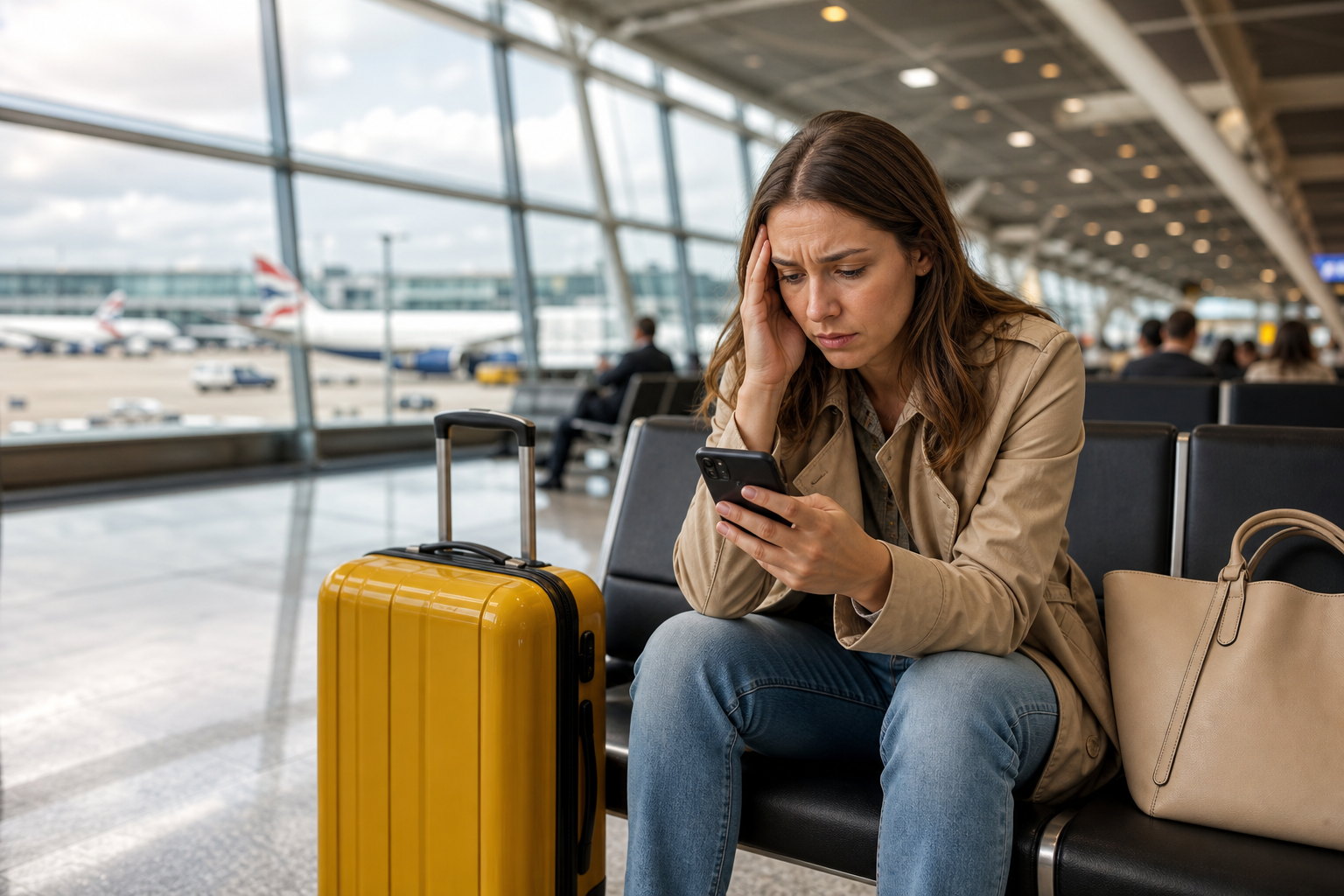

Missing a connection can be a stressful experience, particularly for business travellers with tight schedules and high-stakes meetings. Whether the delay was caused by a late-running first leg, a security bottleneck, or a technical fault, knowing the immediate steps to take can save hours of frustration. For the corporate traveller, the priority is usually a swift resolution that minimises downtime and ensures a professional arrival at the final destination.
Immediate Steps to Take at the Airport
The moments immediately following a missed connection are critical. Your primary goal is to secure a new seat on the next available flight before other displaced passengers occupy the remaining capacity.
First, locate the airline's transfer desk or a customer service agent. If the queue is excessively long, many airlines now allow you to rebook via their mobile app or website. Checking your digital boarding pass or the airline's app can often provide a faster route to a new itinerary than waiting in a physical line.
If the airline is responsible for the delay, they are generally obligated to assist you. Be prepared to present your original booking reference and passport. Keep a record of the time you arrived at the gate and the reason given for the delay, as this documentation is essential for any subsequent insurance claims or compensation requests.
Understanding Your Rights and Compensation
When considering what should you do if you miss a connecting flight, it is vital to understand the legal protections available to you, particularly when flying within or from the UK.
UK261 and EU Regulations
Under UK261 regulations, passengers are entitled to specific protections if their flight is cancelled or significantly delayed. If the missed connection was due to the airline's fault—such as a mechanical failure or crew scheduling issue—you are entitled to "duty of care." This means the airline must provide food and drink vouchers and, if an overnight stay is required, hotel accommodation and transport between the airport and the hotel.
Distinguishing Between Controllable and Uncontrollable Delays
Not all missed connections qualify for financial compensation. Airlines distinguish between "extraordinary circumstances" and controllable events.
- Controllable events: Technical faults, staffing shortages, or operational errors. These typically qualify for compensation.
- Uncontrollable events: Severe weather, air traffic control strikes, or political instability. In these cases, the airline will rebook you, but they are generally not required to pay monetary compensation.
Managing Logistics for Business Travellers
For B2B professionals, a missed flight is not just a personal inconvenience but a potential business risk. Managing the fallout requires clear communication and strategic planning.
Communicating with Stakeholders
As soon as you realise you will be late, notify your clients or colleagues. Transparency is key to maintaining professional relationships. Provide a realistic estimate of your new arrival time rather than an optimistic guess. If you are missing a critical presentation, suggest moving the meeting to a virtual platform so you can participate from the airport lounge.
Handling Luggage and Essentials
One of the most common anxieties during a missed connection is the location of checked baggage. In most cases, the airline will automatically reroute your bags to the new flight. However, it is prudent to verify this with the ground staff.
If you are facing an overnight delay and your luggage is in the hold, check your corporate travel insurance policy. Many business-grade policies provide a "delay benefit" that allows you to purchase essential toiletries and a change of clothes, which can be reimbursed upon presentation of receipts.
Strategic Tips for Avoiding Future Missed Connections
While some delays are inevitable, certain planning strategies can reduce the likelihood of missing a connection or make the process easier if it happens.
- Allow Ample Connection Time: For international transfers, aim for a minimum of three hours. This accounts for potential delays in landing, time spent navigating large terminals, and mandatory passport control or security screenings.
- Book on a Single Ticket: When you book your entire journey under one booking reference (PNR), the airline is legally responsible for getting you to your final destination. If you book two separate tickets with different airlines, a delay in the first flight usually voids the second ticket.
- Choose Strategic Hubs: Some airports are notorious for congestion. Researching the efficiency of a transit hub can help you decide whether a slightly longer flight path through a more reliable airport is worth the trade-off.
- Carry a "Survival Kit" in Your Hand Luggage: Always pack a change of underwear, basic toiletries, and essential chargers in your carry-on. This ensures that if your checked bags are delayed or rerouted, you remain presentable for your business engagements.
Frequently Asked Questions
Who is responsible for rebooking me if I miss my connection?
If your flights were booked as a single itinerary, the airline that caused the delay or the operating carrier of the second leg is responsible for rebooking you. If you booked separate tickets with different airlines, you are generally responsible for arranging your own new travel.
Am I entitled to a hotel if my new flight is tomorrow?
Yes, if the missed connection was due to the airline's fault and the next available flight is the following day, the airline must provide hotel accommodation. This includes transport to and from the hotel and meals during the waiting period.
Can I choose a different airline for my rebooked flight?
Airlines will first try to put you on their own next available flight. However, if they cannot find a reasonable alternative on their own network, they may book you on a partner airline or a competitor to ensure you reach your destination promptly.
What happens to my checked luggage during a missed connection?
Usually, the airline's baggage system automatically updates the luggage destination to match your new flight. However, you should always confirm this with the transfer desk to ensure your bags are not sent to the original destination without you.
Should I accept a travel voucher instead of cash compensation?
This depends on the value and the terms of the voucher. While vouchers are often offered for higher amounts than the legal cash compensation, cash is more flexible. Always check the expiry date and restrictions of a voucher before agreeing to it.