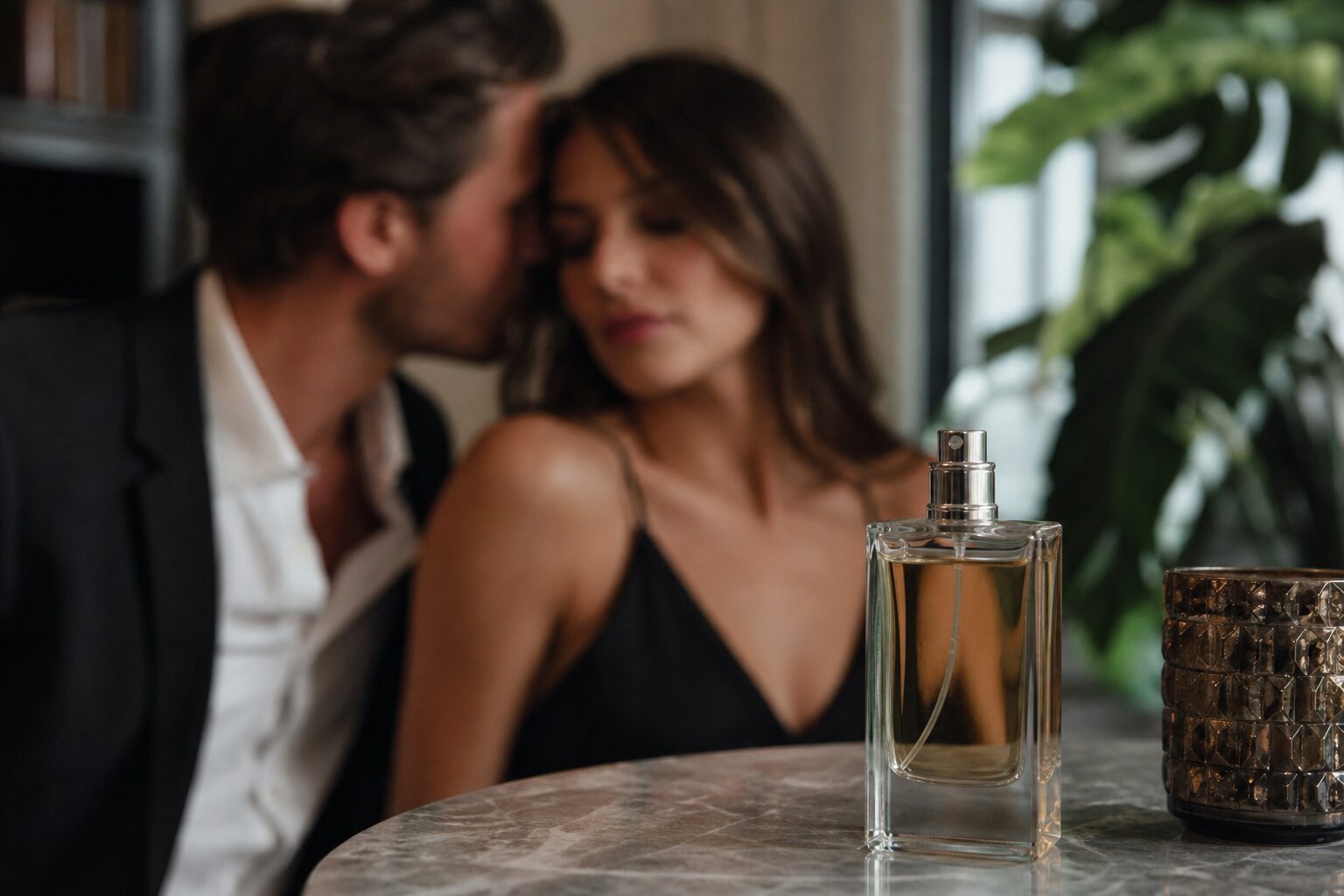

The fragrance industry is currently witnessing a surge in products claiming to do more than just smell pleasant. From boutique laboratories to mass-market retailers, pheromone-infused scents are being marketed as "secret weapons" for attraction and social influence. For businesses operating within the beauty, wellness, and retail sectors, understanding the validity of these claims is essential for informed procurement and marketing. But when we strip away the glossy advertising, are pheromone perfumes worth the hype?
The Science Behind Pheromones and Human Attraction
To determine if these products deliver on their promises, we must first look at the biological definition of a pheromone. In the animal kingdom, pheromones are chemical signals secreted by an individual that trigger a specific behavioural or physiological response in another member of the same species. These are critical for mating, marking territory, and alerting others to danger.
In humans, the situation is far more complex. While we possess a vomeronasal organ (VNO)—the structure responsible for detecting pheromones in other mammals—most medical research suggests that in humans, this organ is vestigial or non-functional. Unlike a moth or a dog, humans rely primarily on a combination of visual cues, auditory signals, and a complex olfactory system to gauge attraction.
The Role of Androstadienone and Estratetraenol
Many commercial pheromone perfumes list specific compounds as their active ingredients. The most common are Androstadienone (derived from testosterone) and Estratetraenol (derived from oestrogen). Marketing materials often suggest that these chemicals act as a direct "switch" for attraction. However, clinical evidence remains inconsistent. Some studies suggest these compounds may modulate mood or increase arousal in specific contexts, but they rarely produce a universal, predictable reaction across a diverse population.
Olfaction versus Pheromonal Response
It is important to distinguish between a pheromonal response and a standard olfactory preference. When someone finds a scent appealing, it is often due to "fragrance notes"—the blend of citrus, musk, or floral elements—rather than a subconscious chemical trigger. The perceived success of pheromone perfumes often stems from the high-quality fragrance oils used, which naturally make the wearer feel more confident and appealing.
Market Trends and the B2B Perspective on Pheromone Fragrances
From a business standpoint, the rise of "functional fragrances" represents a shift in consumer psychology. Modern buyers are no longer looking for simple luxury; they are seeking products that offer a tangible psychological or social benefit. This trend has created a lucrative niche for pheromone-based products, as they tap into the human desire for social mastery and romantic success.
For retailers and distributors, the appeal lies in the high perceived value. Because these products are positioned as "scientific" or "specialised," they often command a higher price point than standard eau de parfums. However, this creates a challenge regarding transparency and consumer trust.
Evaluating Product Claims for Inventory
When sourcing these products for a professional portfolio, it is vital to scrutinise the claims made by manufacturers. Many brands use "pseudo-science" to justify their pricing. A professional buyer should look for:
- Clear ingredient lists that specify the concentration of synthetic pheromones.
- Third-party stability testing to ensure the scent does not degrade.
- Compliance with UK cosmetic regulations and safety standards.
- Transparent marketing that avoids promising "guaranteed" results.
The Placebo Effect in Consumer Satisfaction
A significant portion of the "success" reported by users of pheromone perfumes can be attributed to the placebo effect. When a person believes they are wearing a scent that makes them irresistible, their body language changes. They may stand taller, make more eye contact, and speak with more confidence. These behavioural shifts are far more likely to attract others than the chemical compounds themselves. For the B2B sector, this means the value proposition is often more about "confidence in a bottle" than biological manipulation.
Are Pheromone Perfumes Worth the Hype for the Modern Consumer?
When asking are pheromone perfumes worth the hype, the answer depends entirely on the consumer's expectations. If the buyer expects a biological "love potion" that overrides human agency, the product will inevitably fail. However, if the product is viewed as a luxury fragrance that provides a psychological boost, it can be a successful addition to a grooming routine.
The reality is that human attraction is a multifaceted process involving personality, hygiene, social status, and physical appearance. A perfume cannot replace these fundamental elements. Nevertheless, the fragrance industry has always been about selling an emotion or an identity. In this context, pheromone perfumes are an evolution of the "power scent" concept.
Strategic Implementation in the Beauty Market
For businesses looking to integrate these products into their offerings, the strategy should focus on the holistic experience. Rather than leaning heavily on unproven biological claims, successful brands are pivoting toward "emotional fragrance." This approach focuses on how a scent makes the wearer feel, rather than how it forces others to react.
By framing pheromone perfumes as tools for self-assurance, businesses can maintain credibility while still capturing the interest of a market obsessed with optimisation. The goal is to move away from the "magic pill" narrative and toward a narrative of enhanced self-perception.
Frequently Asked Questions
Do pheromone perfumes actually work on other people?
There is no conclusive scientific evidence that synthetic pheromones in perfumes can predictably control or trigger attraction in other humans. Most positive experiences are likely due to the pleasant smell of the fragrance or the increased confidence of the wearer.
Are these fragrances safe for daily professional use?
Yes, provided they are formulated according to UK cosmetic safety standards. Most pheromone perfumes use synthetic versions of hormones that are safe for skin application and do not interfere with the wearer's own hormonal balance.
Can anyone smell the pheromones in these perfumes?
Pheromones are designed to be detected subconsciously rather than consciously. While a person might notice that you smell "nice" or "inviting," they will not typically identify a specific "pheromone smell" as a distinct scent.
How do pheromone perfumes differ from standard fragrances?
Standard fragrances focus on aesthetic scent profiles to create a mood or impression. Pheromone perfumes add synthetic chemical compounds intended to trigger subconscious biological responses, although the effectiveness of these additives is widely debated.
Which is more effective: natural or synthetic pheromones?
Most commercial perfumes use synthetic pheromones because natural human pheromones are unstable and difficult to extract in pure forms. Synthetic versions provide a consistent scent profile and a longer shelf life for retail distribution.