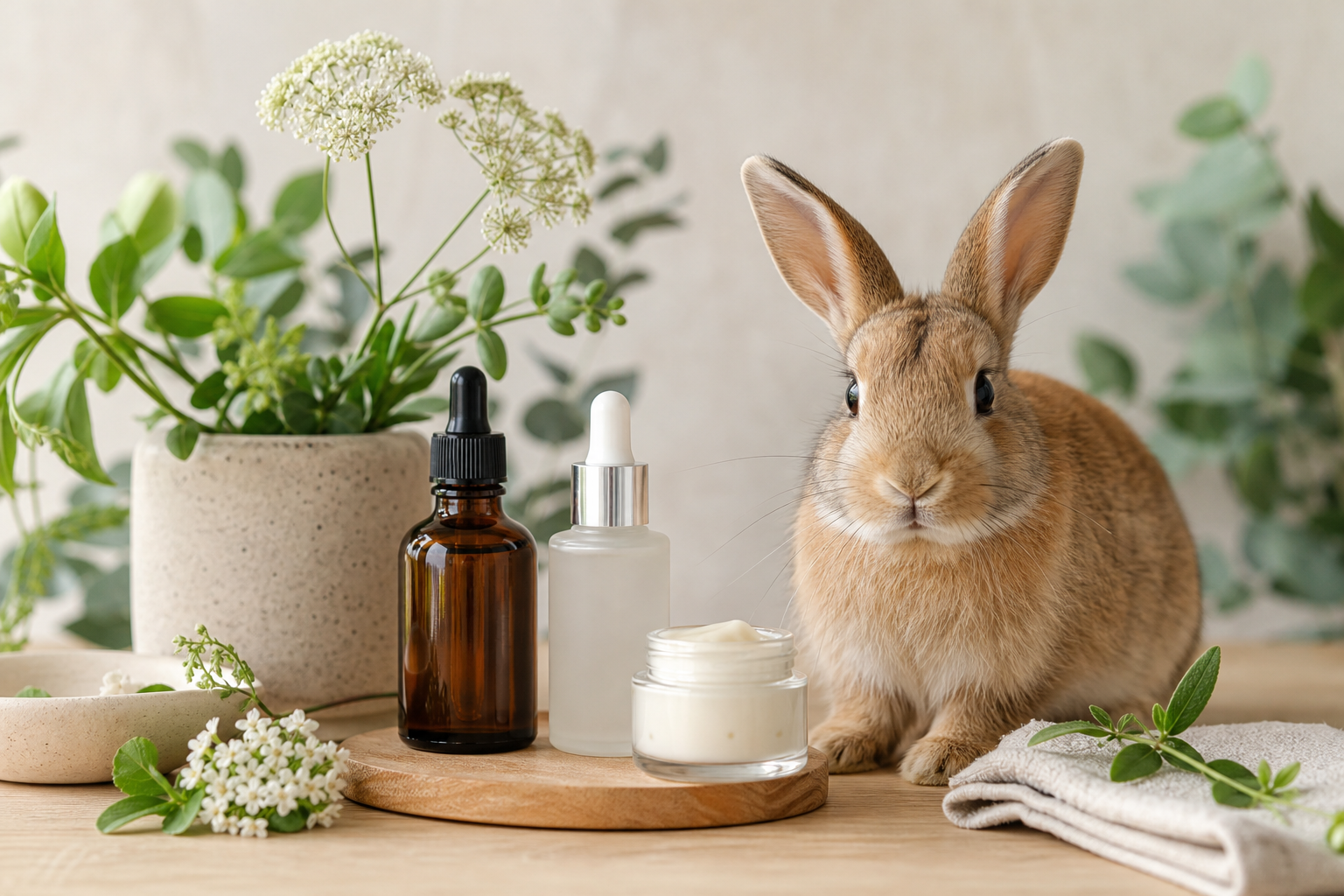

The beauty industry is undergoing a significant shift as ethical sourcing and animal welfare move from niche concerns to core business requirements. For B2B procurement officers, spa owners, and retail buyers in the UK, navigating the complex landscape of ethical labelling is essential. Understanding the nuances of Cruelty-Free Skincare: What Should You Look For? allows businesses to align their product offerings with the growing consumer demand for transparency and compassion.
Understanding the Cruelty-Free Standard in the UK
In the UK market, the term "cruelty-free" generally refers to products that have not been tested on animals at any stage of development. This includes the final formulation as well as the individual raw ingredients supplied by third-party vendors. For a business, ensuring a product is truly cruelty-free requires looking beyond the marketing copy on the front of the bottle.
Many brands claim to be ethical, but the lack of a global, legally binding definition for "cruelty-free" means that terminology can be misleading. Some companies may not test the final product but still source ingredients from suppliers who do. To maintain a reputable B2B portfolio, it is vital to verify that the entire supply chain adheres to these standards.
Cruelty-Free Skincare: What Should You Look For?
When auditing a brand for your inventory, the most reliable indicators are third-party certifications. These organisations conduct independent audits to ensure companies are not conducting, commissioning, or paying for animal testing.
Recognising Certified Logos
The most trusted certifications provide a shorthand for buyers to verify ethical claims quickly. Look for the following symbols on packaging:
- Leaping Bunny: Widely regarded as the gold standard, this certification requires a rigorous supplier monitoring system.
- PETA (Beauty Without Bunnies): A widely recognised logo that indicates the brand has pledged not to test on animals.
- Choose Cruelty-Free (CCF): A strict certification often associated with Australian standards but recognised globally.
Distinguishing Between Cruelty-Free and Vegan
It is a common misconception in the B2B sector that "cruelty-free" and "vegan" are interchangeable. While they often overlap, they refer to different ethical criteria. A product can be cruelty-free—meaning no animal testing occurred—but still contain animal-derived ingredients such as beeswax, lanolin, or carmine.
Conversely, a vegan product contains no animal ingredients, but the brand might still engage in animal testing for regulatory compliance in certain international markets. For businesses catering to a diverse client base, offering both options ensures that the most stringent ethical requirements are met.
Navigating Global Regulations and Trade
For UK businesses importing skincare or partnering with international brands, the regulatory environment becomes more complex. The European Union and the UK have strict bans on animal testing for cosmetic products. However, these laws may not apply to ingredients used for other purposes, such as chemical safety testing under REACH regulations.
Furthermore, some brands sell their products in markets where animal testing is legally mandated by the government for imported cosmetics. If a brand sells in these regions, it cannot technically be classified as 100% cruelty-free, even if they do not conduct the tests themselves. B2B buyers should ask brands specifically about their "market access" policies to avoid unintentional greenwashing.
The Business Case for Ethical Sourcing
Integrating cruelty-free products into a professional skincare range is no longer just a moral choice; it is a strategic business decision. Modern consumers, particularly Millennials and Gen Z, prioritise ethics over brand loyalty. They are more likely to switch providers if they discover a brand does not align with their values.
Improving Brand Reputation
By stocking certified ethical brands, a business demonstrates a commitment to corporate social responsibility. This builds trust with the end-user and positions the business as a forward-thinking leader in the beauty industry. Transparency regarding the supply chain reduces the risk of public relations crises associated with unethical testing practices.
Diversifying Product Portfolios
The rise of ethical beauty has led to an explosion of innovation in plant-based chemistry. Many cruelty-free brands are pioneers in using biotechnology and synthetic alternatives to traditional animal-derived ingredients. This allows B2B buyers to offer cutting-edge, high-performance products that appeal to a wider demographic of skin types and ethical preferences.
Implementing an Ethical Procurement Strategy
To ensure a consistent standard across a product range, businesses should implement a formal vetting process. Rather than relying on a brand's own website, procurement teams should request documentation regarding their testing policies and supplier contracts.
A robust procurement checklist should include:
- Verification of third-party certifications (Leaping Bunny or PETA).
- Confirmation that the brand does not sell in markets requiring animal testing.
- A full list of ingredients to distinguish between cruelty-free and vegan options.
- Written confirmation that raw material suppliers also adhere to a no-animal-testing policy.
Frequently Asked Questions
Does a "Not Tested on Animals" label guarantee it is cruelty-free?
Not necessarily, as this phrase is not legally regulated in the same way as a certified logo. A brand might not test the final product but may still use ingredients that were tested on animals by a supplier.
Is there a difference between cruelty-free and vegan skincare?
Yes, cruelty-free refers specifically to the absence of animal testing throughout the production process. Vegan skincare refers to the absence of any animal-derived ingredients, such as honey, collagen, or snail mucin, regardless of testing.
Can a brand be cruelty-free if they sell in China?
Historically, this was impossible due to mandatory animal testing laws for imported cosmetics in China. While regulations are evolving and some "general cosmetics" no longer require testing, buyers should verify the specific category of the product.
How can I verify a brand's claims without a logo?
You can contact the brand directly and ask for their "Animal Testing Policy." Specifically, ask if they commission third parties to test ingredients or if they sell in regions where testing is required by law.
Are cruelty-free products as effective as traditional skincare?
Absolutely, as modern cosmetic chemistry has developed highly effective synthetic and plant-based alternatives. Many of the most advanced active ingredients, such as hyaluronic acid and various peptides, are produced without any animal testing.