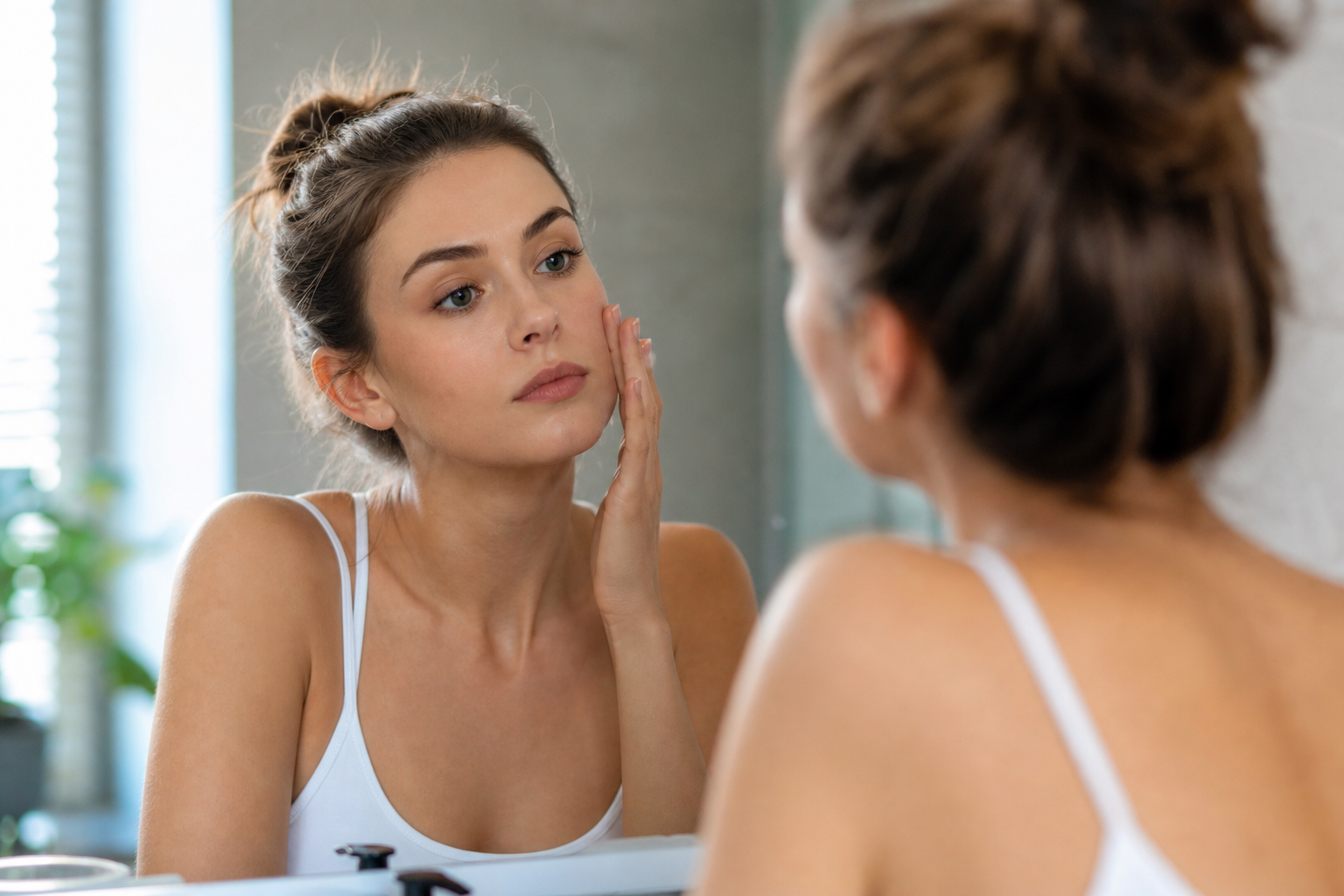

For many professionals in the UK business world, a polished appearance is part of the daily corporate uniform. Whether it is a subtle touch of concealer or a full face of foundation, makeup helps build confidence in the boardroom. However, as skincare becomes a priority for the modern workforce, a common question arises: Is wearing makeup every day bad for your skin?
The short answer is that makeup itself is rarely the enemy. Instead, the issues usually stem from the ingredients used, the application method, and, most importantly, the removal process. When managed correctly, a daily beauty routine can coexist perfectly with a healthy complexion.
Understanding the Impact of Daily Makeup Application
The skin acts as a protective barrier between your internal systems and the external environment. When you apply cosmetics daily, you are adding a layer of product that can interact with this barrier in various ways. For most people, high-quality cosmetics are formulated to be inert, meaning they sit on the surface without causing harm.
However, the risk increases when products are "comedogenic," a term used to describe ingredients that clog pores. When pores are blocked, sebum—the skin's natural oil—cannot escape. This often leads to the formation of comedones, which can evolve into breakouts or acne. For B2B professionals who face high-stress environments, cortisol levels can already increase oil production, making the choice of makeup even more critical.
Furthermore, some ingredients can cause contact dermatitis. This is an inflammatory reaction to specific chemicals, such as synthetic fragrances or certain preservatives. If you notice redness, itching, or a burning sensation, it is likely a reaction to a specific ingredient rather than the act of wearing makeup itself.
How to Prevent Skin Damage While Using Cosmetics
Maintaining skin health while adhering to a professional grooming standard requires a strategic approach. The goal is to minimise the "burden" placed on the skin and ensure that the epidermis can breathe and regenerate effectively.
The Importance of Non-Comedogenic Products
Selecting the right formulas is the first line of defence. Look for labels that explicitly state "non-comedogenic" or "oil-free." These products are tested to ensure they do not block the pores. For those with sensitive skin, mineral-based makeup is often a safer alternative. Mineral foundations typically contain fewer chemicals and can provide a physical barrier against pollutants in urban environments like London or Manchester.
The Role of Primers and Barriers
A high-quality primer acts as a buffer between your skin and your makeup. By creating a thin, breathable layer, a primer prevents foundation from sinking too deeply into the pores. This makes the eventual removal process much easier and reduces the likelihood of irritation. Many modern primers also include hydrating ingredients like hyaluronic acid, which helps maintain the skin's moisture balance throughout a long workday.
The Critical Process of Makeup Removal
If there is one area where daily makeup becomes "bad" for the skin, it is the removal stage. Leaving makeup on overnight is one of the most detrimental things you can do for your complexion. During sleep, the skin undergoes a process of cellular renewal and detoxification. A layer of foundation and powder prevents this natural cycle, trapping pollutants and bacteria against the skin.
To avoid long-term damage, a thorough cleansing routine is essential. Many experts recommend the "double cleanse" method:
- First Cleanse: Use an oil-based cleanser or micellar water to break down waterproof makeup, SPF, and heavy foundations.
- Second Cleanse: Use a water-based gentle cleanser to remove any remaining residue and clean the actual skin surface.
- Moisturise: Apply a hydrating cream immediately after cleansing to seal in moisture and repair the skin barrier.
Neglecting these steps leads to a buildup of dead skin cells and product residue, which dulls the complexion and accelerates the appearance of fine lines.
Balancing Professional Aesthetics and Skin Health
In a B2B context, the pressure to look "put together" is constant. However, the most sustainable approach to beauty is one that prioritises health over coverage. Integrating "skin-first" habits ensures that your natural complexion remains vibrant, reducing the amount of makeup you actually need to apply.
One effective strategy is the "makeup detox." This involves designating specific days—such as weekends—where the skin is left entirely bare. This gives the pores a chance to clear and allows the skin's natural pH levels to stabilise. When you do return to your daily routine, focusing on a "less is more" philosophy can reduce the risk of irritation.
It is also worth considering the tools used for application. Brushes and sponges accumulate bacteria, dead skin, and old product. If these are not washed weekly, you are essentially applying bacteria to your face every morning. This is a frequent cause of "mystery breakouts" that people mistakenly attribute to the makeup itself.
Frequently Asked Questions
Can wearing foundation every day cause premature ageing?
Foundation does not cause wrinkles, but failing to remove it does. When makeup is left on, it traps free radicals and pollutants on the skin, which can break down collagen over time. Proper removal and the use of antioxidants prevent this process.
Does makeup stop the skin from breathing?
Skin does not breathe in the way lungs do; it absorbs oxygen from the blood. However, heavy makeup can trap sweat and sebum, which may lead to congestion. Using lightweight, breathable formulas prevents this feeling of heaviness.
Is it better to use powder or liquid makeup for daily wear?
Neither is inherently better, as it depends on your skin type. Powder is often better for oily skin to control shine, while liquids provide more hydration for dry skin. The key is choosing non-comedogenic ingredients regardless of the format.
How often should I wash my makeup brushes to protect my skin?
You should wash your brushes and sponges at least once a week using a mild soap. This prevents the buildup of bacteria and old product, which significantly reduces the risk of breakouts and skin infections.
Can I use SPF as a replacement for foundation?
Yes, many professionals use tinted moisturisers with SPF to achieve a natural look. This provides the benefit of sun protection—which is vital for preventing ageing—while offering a light layer of coverage that is less taxing on the skin.