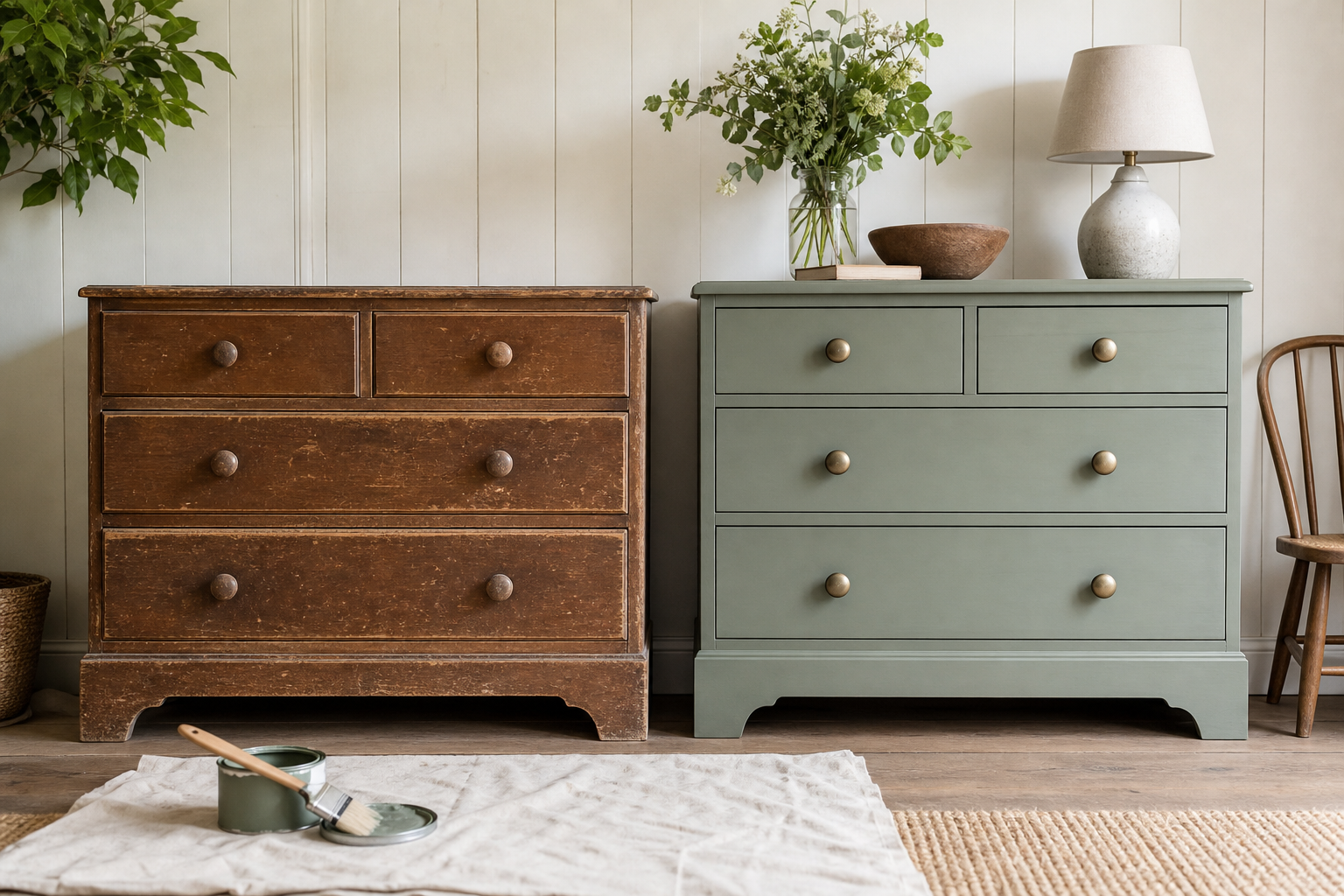

Knowing How to Give Old Wooden Furniture a Fresh New Look is useful for offices, hospitality venues, landlords, retailers and facilities teams that want to improve interiors without replacing every item. Old wooden furniture often has more value than it first appears to hold. With careful assessment, cleaning, repair and finishing, tired pieces can become smart, practical and consistent with a modern commercial setting.
Why Refreshing Wooden Furniture Makes Commercial Sense
In a business environment, furniture has to do more than look pleasant. It must support daily use, reflect the brand and fit the expectations of staff, clients, guests or tenants. Replacing solid wooden pieces can be costly, especially across multiple rooms or sites. Refreshing existing items can reduce waste, control budgets and help maintain a more individual interior.
Older wooden furniture is often strongly built. Desks, tables, cabinets, chairs and reception pieces may have robust frames, good timber and useful proportions. Surface damage can make them look unsuitable, but scratches, dull varnish and faded colour are often easier to address than structural weakness.
For B2B settings, consistency matters. A refreshed group of mixed wooden items can be brought together through a shared stain, paint finish, handle style or protective topcoat. This can help create a coherent look without making every item identical.
How to Give Old Wooden Furniture a Fresh New Look in a Professional Setting
The best results start with a clear plan. Before sanding or painting, consider where the piece will be used and how much wear it will face. A meeting table needs a tougher finish than a decorative sideboard in a quiet waiting area. A hotel bedside table must be easy to clean, while a retail display unit may need a finish that suits strong lighting.
Begin by checking the condition of the item. Look at the legs, joints, drawers, hinges and surface. Loose parts, water marks, dents and old flaking finishes should be dealt with before any cosmetic work begins. Skipping this stage can lead to poor adhesion, uneven colour and a finish that fails quickly.
It also helps to decide whether the aim is to restore or restyle. Restoration keeps the original character, grain and period detail. Restyling may involve paint, new handles or a different tone to suit a newer interior scheme. Both routes can work well, provided the method suits the piece and the setting.
Assessing, Cleaning and Preparing the Furniture
Preparation is the stage most likely to affect the final result. Even high-quality paint or oil will not perform well on a dirty, waxy or unstable surface. Commercial furniture can collect polish, grease, dust and cleaning product residue over many years, so a careful clean is essential.
Remove hardware such as knobs, handles and loose fittings where practical. Label small parts if several items are being worked on at once. Clean the wood with a suitable wood cleaner or a mild solution appropriate for the existing finish, then allow it to dry fully. Avoid soaking the timber, as excess moisture can raise the grain or damage veneers.
Light sanding can smooth scratches and help a new finish bond. Always sand with the grain, not against it. For detailed areas, use fine abrasive pads rather than forcing coarse paper into corners. If the furniture has veneer, take particular care, as sanding too heavily can cut through the thin top layer.
Useful preparation steps include:
- Tightening screws, hinges and brackets before finishing work begins.
- Filling small dents, chips or gaps with a suitable wood filler.
- Removing loose varnish, peeling paint or unstable old coatings.
- Testing any cleaner, stain or finish on a hidden area first.
- Protecting floors, nearby furniture and soft furnishings during the work.
Dealing with Repairs Before Finishing
Repairs should be completed before any decorative finish is applied. Loose chair joints, split drawer runners or uneven table legs will still cause problems even if the surface looks smart. In busy workplaces or hospitality spaces, weak furniture can quickly become a safety and service issue.
Wood glue, clamps and replacement screws can solve many minor problems. For more complex repairs, such as broken frames, damaged veneers or warped panels, specialist restoration may be more appropriate. Businesses should also consider whether the finished piece will meet the level of durability required in its intended location.
Choosing Between Paint, Stain, Oil and Varnish
Each finish gives a different result. Paint is useful when the timber is badly marked, when the furniture must match a colour scheme, or when different woods need a unified appearance. It can look contemporary, traditional or industrial depending on colour and sheen.
Stain changes the tone while allowing the grain to remain visible. This is often suitable for boardrooms, offices and hospitality interiors where natural texture is part of the design. Oil can enhance the warmth of the wood and give a more natural finish, although it may need periodic maintenance. Varnish or lacquer provides stronger surface protection, making it practical for high-use tables, counters and desks.
Updating Style Without Losing Character
A fresh new look does not always mean a dramatic makeover. Sometimes the strongest result comes from subtle changes that respect the original shape and material. This is particularly true for high-quality hardwood pieces, vintage cabinets and furniture with distinctive joinery or detailing.
Changing handles can make a significant difference. Brass, matt black, brushed steel or wooden knobs can shift the style from dated to considered. The new hardware should suit the furniture’s proportions and the wider interior. Oversized handles on a delicate cabinet can look awkward, while very small knobs may feel impractical in a busy workplace.
Colour also has a strong effect. Dark stains can give a formal and premium feel, while pale washes can help furniture sit comfortably in relaxed offices, cafés or boutique accommodation. Painted finishes in muted greens, greys, blues or off-whites can modernise older pieces without appearing harsh.
Texture should not be overlooked. A satin finish often feels more forgiving and professional than a high gloss surface, which can show fingerprints and imperfections. Matt finishes can look refined, though they may need more careful cleaning in commercial settings.
Practical Considerations for B2B Environments
Commercial furniture faces different pressures from domestic furniture. It may be moved often, cleaned frequently and used by many people with varying levels of care. The chosen finish should suit this reality.
Durability is particularly important for:
- Restaurant tables, café counters and bar furniture.
- Office desks, meeting tables and shared workstations.
- Hotel bedroom furniture and serviced apartment pieces.
- Reception desks, display units and customer-facing cabinets.
Cleaning routines should be considered before a finish is chosen. Some waxed or oiled surfaces can be damaged by strong cleaning products, while some painted finishes may chip if used on heavily knocked edges. A protective topcoat can help, but it should be compatible with the paint or stain beneath it.
Fire safety, hygiene standards and accessibility may also influence decisions in some sectors. Furniture used in public or regulated environments should remain stable, cleanable and suitable for its purpose after refurbishment.
Common Mistakes to Avoid
Rushing the process is the most common problem. Applying paint over polish, failing to sand properly or using the wrong primer can result in peeling and patchy coverage. Another frequent issue is choosing a finish based only on appearance, without considering daily use.
Avoid these common errors:
- Painting directly onto glossy varnish without preparation.
- Using interior decorative paint where a tougher furniture paint is needed.
- Ignoring damp smells, rot or signs of pest damage.
- Sanding veneer too aggressively and exposing the base material.
- Mixing incompatible products, such as certain oils and water-based coatings.
It is also wise to avoid over-restyling every piece. Some wooden furniture looks best when its age is visible in a controlled way. Light wear, grain variation and original details can add character, especially in venues that value atmosphere and authenticity.
Frequently Asked Questions
Can old wooden office furniture be made to look modern?
Yes, old wooden office furniture can look modern with careful preparation, updated finishes and suitable hardware. A darker stain, a clean painted surface or new handles can change the overall impression while keeping the strength and practicality of the original piece.
Is it better to paint or stain old wooden furniture?
The better option depends on the condition of the wood and the desired appearance. Paint can hide heavy marks and create a consistent colour, while stain keeps the grain visible and is often preferred when the timber has attractive natural character.
How long does refreshed wooden furniture last in a business setting?
Its lifespan depends on the quality of the preparation, the finish used and the level of daily wear. Well-prepared furniture with a suitable protective coating can remain presentable for years, especially when cleaning methods match the chosen surface finish.
Final Thoughts
Refreshing old wooden furniture can be a practical way to improve commercial interiors while retaining useful, well-made pieces. The key is to assess the item honestly, prepare the surface properly and choose finishes that suit both the design and the working environment. With a balanced approach, worn timber can become smart, durable and appropriate for modern business use.