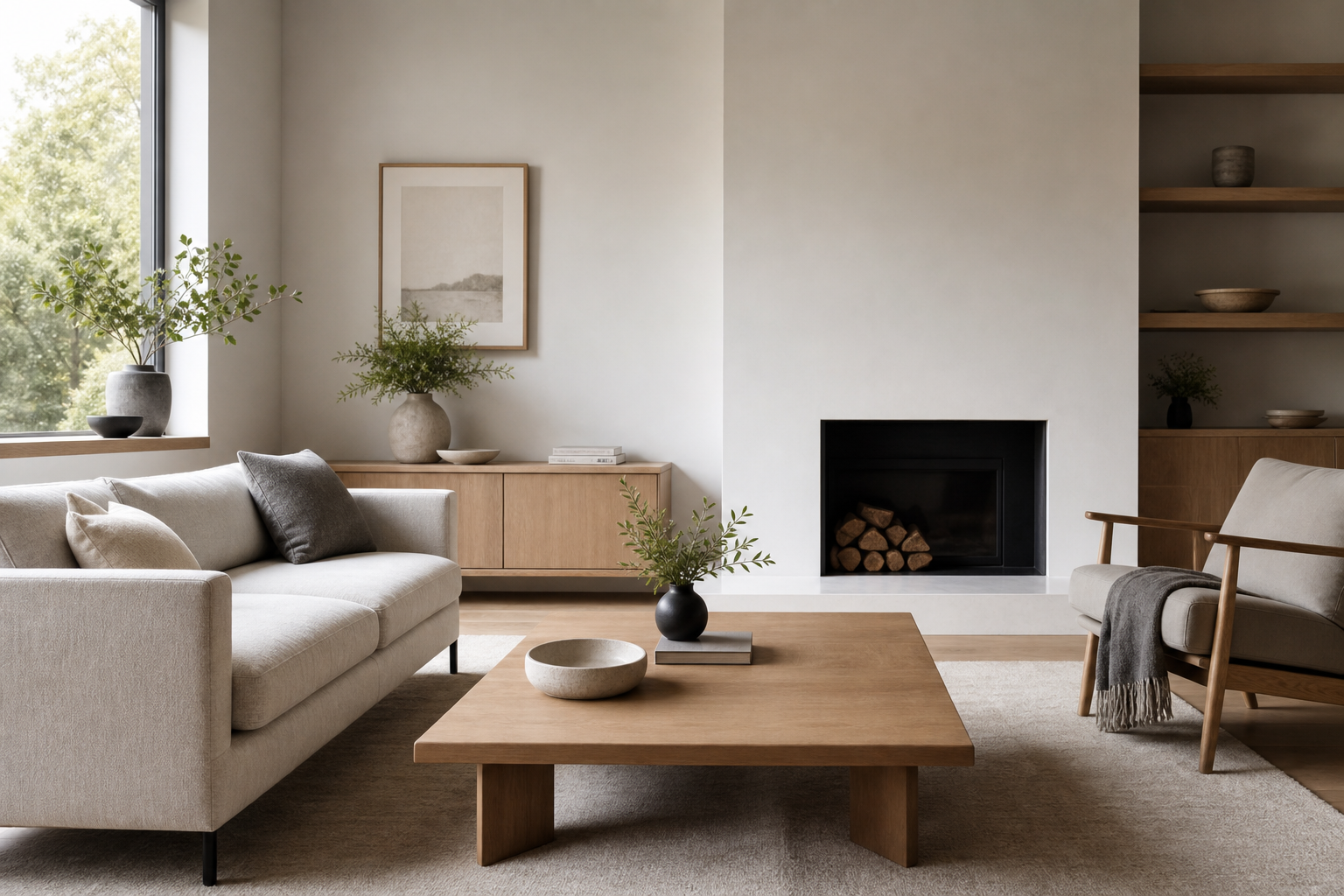

For retailers, developers, landlords and design-led service providers, Minimalist Home Decor: Less Clutter, More Comfort is more than a visual trend. It is a practical way to create homes that feel calm, usable and commercially appealing. The best minimalist schemes do not strip rooms of personality. They edit each space with care, so every object earns its place and comfort remains at the centre of the brief.
Why Minimalism Works in Commercial Home Settings
In the UK, many property decisions are made quickly. A buyer, tenant, guest or client often forms an opinion before a room is fully explained. Minimalist decor supports that first impression because it makes layouts legible. Light surfaces, clear walkways and restrained styling help people understand scale, storage and flow without distraction.
For B2B teams, the value is operational as well as aesthetic. Fewer decorative layers can mean simpler cleaning schedules, easier inventory control and more consistent presentation across multiple properties. A furnished apartment, show home or serviced accommodation unit still needs warmth, but unnecessary objects can add cost, risk and maintenance time.
Minimalist Home Decor: Less Clutter, More Comfort in Practice
The phrase can sound simple, yet its success depends on choices that are deliberate rather than bare. A minimalist room should have somewhere comfortable to sit, surfaces that serve daily life and lighting that suits different tasks. The editing happens around duplication, visual noise and poor-quality pieces, not around human comfort.
In a business context, this balance matters. A room that looks empty may photograph neatly but feel cold during a viewing. A room that feels peaceful encourages people to imagine routines, not just admire a style. That is why texture, proportion and useful storage are core parts of the minimalist toolkit.
Choose Fewer, Better Pieces
Furniture should work hard. One well-scaled dining table, a generous sofa or a simple bed with discreet storage can do more than several smaller items competing for attention. For procurement teams, this approach can support clearer specifications and fewer mismatched purchases across sites.
Use Texture Instead of Excess
Minimalism does not require flat white rooms. Linen, wool, oak, ceramic, limewash effects and soft rugs can add depth without clutter. The key is to repeat a limited palette, so the eye reads the space as calm. Texture is especially useful in rental and hospitality settings, where durability and comfort must meet.
Core Elements of a Comfortable Minimalist Scheme
A strong scheme begins with function. Before choosing accessories, define how the room will be used and what must be stored, displayed or kept close to hand. This prevents decorative decisions from hiding practical problems. It also helps teams brief designers, stylists and suppliers with greater precision.
Useful priorities include:
- Hidden storage for shoes, linens, chargers and cleaning products.
- Seating with supportive cushions and washable or replaceable covers.
- Layered lighting, including ambient, task and accent sources.
- A restrained colour palette that can flex across seasons.
- Clear sightlines, so rooms feel bigger and easier to navigate.
These details sound modest, yet they shape everyday experience. A guest who can find a socket, a tenant who has space for coats and a viewer who understands the room’s purpose will register comfort before they analyse the styling. Minimalism works best when convenience feels effortless.
Colour and Light
Warm neutrals remain popular because they flatter many architectural styles, from period terraces to new-build flats. However, minimalism can also include muted green, clay, charcoal or navy. The important point is control. Natural light should be protected, while artificial light should avoid harsh glare and deep, unused corners.
Storage as Design
Clutter often appears when storage is treated as an afterthought. Built-in cupboards, ottomans, slim console tables and wall-mounted shelves can keep daily items accessible but quiet. For furnished schemes, storage should be easy to understand without written instructions. If the solution is intuitive, the room stays tidier for longer.
B2B Benefits Across Property and Interiors
Minimalist thinking can help many organisations, although the application will differ. Developers may use it to show floorplans clearly. Letting agents may benefit from rooms that feel maintained and neutral without seeming anonymous. Retailers can present ranges around complete lifestyles rather than crowded displays.
Cost control is another advantage. A tighter edit can reduce breakages, storage demands and the time spent refreshing tired accessories. It can also make brand standards easier to follow. When each item has a defined role, teams are less likely to add random purchases that dilute the scheme.
Common Mistakes to Avoid
The most common mistake is confusing minimal with cheap. Sparse rooms expose every finish, so poor joinery, flimsy furniture and badly hung curtains become more obvious. A second mistake is removing useful items, such as bedside tables or reading lamps, to make a room look cleaner. The result is inconvenience, not elegance.
Over-styling is equally risky. If every shelf contains a perfect arrangement of empty vases and stacked books, the room can feel staged rather than liveable. Minimalism should leave breathing space, but it should also welcome real habits, bags, laptops, mugs and the small movements of daily life.
Frequently Asked Questions
Is minimalist decor suitable for family homes?
Yes, provided the scheme includes practical storage and durable finishes. Family minimalism is not about banning toys or personal objects. It is about giving belongings a clear home, choosing easy-clean materials and keeping shared areas flexible enough for changing routines.
Can minimalist interiors still feel warm?
Absolutely. Warmth comes from scale, texture, lighting and tone. A simple room with a deep sofa, warm timber, soft textiles and gentle lamps can feel more inviting than a crowded room filled with decorative pieces.
How can businesses maintain minimalist spaces consistently?
Consistency comes from written specifications, approved product lists and simple room checks. Teams should know which items are essential, where they belong and when replacements are needed. This avoids gradual clutter, protects the original design intent and keeps customer-facing spaces calm, comfortable and commercially coherent across different locations and teams alike.