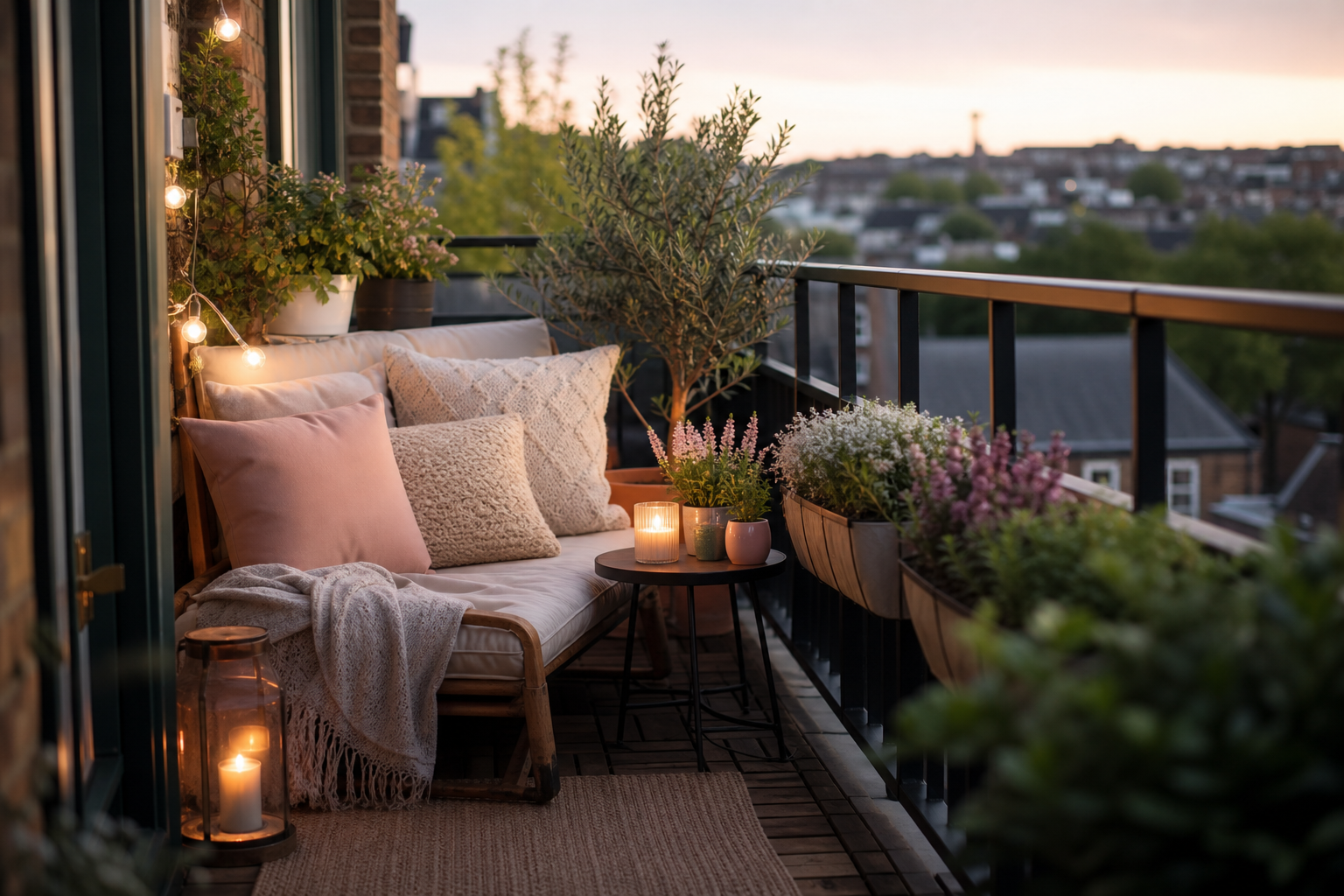

Small balconies can be easy to overlook, yet they often shape how people experience a flat, hotel room, office terrace or serviced apartment. For property teams, designers, landlords and hospitality operators, knowing How to Make a Small Balcony Feel Cosy and Inviting can add everyday value without major structural change. The aim is simple: create a compact outdoor space that feels cared for, comfortable and practical.
Why Small Balconies Matter in B2B Spaces
In commercial and residential property settings, a balcony is more than an extra patch of floor. It can influence first impressions, guest satisfaction, tenant comfort and the perceived quality of a building. Even a narrow balcony can become a pleasant pause point for morning coffee, fresh air or a quiet moment between meetings.
For B2B decision-makers, the challenge is usually consistency. A balcony must look appealing, survive regular use, meet safety expectations and remain easy to maintain. The best schemes balance warmth with durability. They avoid fragile styling that works only for a photo, and instead focus on reliable materials, clever layouts and details that feel welcoming throughout the year.
How to Make a Small Balcony Feel Cosy and Inviting for Commercial Properties
A cosy balcony does not need to be crowded. In fact, small spaces often work best when each item has a clear role. The editor’s view is that comfort comes from proportion, texture, light and a sense of enclosure. When these elements are planned together, even a limited footprint can feel generous.
Start With a Clear Purpose
Before choosing furniture or finishes, define the main use of the balcony. A serviced apartment balcony may need a relaxed dining spot for two. A workplace balcony may suit short breaks and informal conversations. A hotel balcony may need to feel premium while being simple for housekeeping teams to reset.
This purpose should guide every choice. If the balcony is mainly for sitting, prioritise supportive chairs. If it is mainly decorative, use planting and lighting to create a strong visual effect from inside the room. A clear purpose prevents clutter and helps the space feel intentional rather than leftover.
Choose Compact, Comfortable Furniture
Furniture should suit the scale of the balcony. Oversized pieces can block movement and make the space feel cramped, while flimsy items can make it feel temporary. Folding bistro sets, slim lounge chairs, built-in benches and narrow side tables can all work well, depending on the setting.
For commercial use, consider materials that can handle changing British weather. Powder-coated metal, treated timber, outdoor-grade rope, compact composite surfaces and weather-resistant upholstery are common options. Cushions can add comfort, but they should be easy to remove, clean or store. In shared or high-turnover environments, fewer well-chosen items are often better than a heavily styled arrangement.
Layers That Create Warmth Without Clutter
A small balcony feels cosy when it has depth. This does not mean filling every corner. It means layering practical elements so the space feels finished from the inside and pleasant when used outside.
Useful layers include:
- Outdoor flooring: Interlocking decking tiles, textured outdoor rugs or rubber-backed mats can soften hard concrete and define the seating area.
- Warm lighting: Battery, solar or wired outdoor lights can create atmosphere, provided installation and maintenance suit the building.
- Tactile textiles: Seat pads, outdoor cushions and throws introduce comfort, colour and a more domestic feel.
- Vertical interest: Wall planters, slim shelving or rail-mounted planters add height without taking up much floor space.
- A small surface: A compact table or ledge gives users somewhere to place a cup, book, phone or laptop.
Colour also matters. Soft neutrals, muted greens, warm terracotta, charcoal and natural timber tones tend to work well in UK settings. They feel calm and are easier to repeat across multiple units or rooms. Brighter colours can be effective, but they should be chosen with the wider brand or interior scheme in mind.
Planting, Privacy and Shelter
Plants are one of the quickest ways to make a balcony feel alive. They soften edges, improve the view from inside and help separate the balcony from neighbouring spaces. In a B2B context, planting should be attractive but not demanding. Hardy evergreens, ornamental grasses, lavender, rosemary, ivy and compact shrubs can suit many balcony schemes, though final choices should reflect aspect, wind exposure and maintenance arrangements.
Privacy is equally important. A balcony can feel exposed if users are overlooked by nearby buildings or adjacent units. Screening does not need to be heavy. Slatted panels, frosted glass where permitted, tall planters, woven balcony screens or carefully positioned greenery can create a more enclosed feeling.
Shelter adds comfort, especially in the UK climate. Where regulations and building design allow, awnings, overhangs, wind-resistant screens or covered seating zones can make the space usable more often. Any additions should be checked for wind loading, fire safety, lease restrictions and maintenance access.
Practical Details for Safety, Maintenance and Brand Fit
Cosiness should never compromise safety. Balcony furniture and accessories must not create climbing hazards, obstruct drainage or interfere with doors, balustrades and escape routes. Loose items should be suitable for windy conditions, especially on upper floors. Electrical lighting must be rated for outdoor use and installed appropriately where fixed wiring is involved.
Maintenance planning is also essential. A balcony that looks inviting on day one can quickly lose appeal if leaves gather, cushions fade or planters dry out. For landlords, facilities managers and operators, simple choices often perform best: wipe-clean surfaces, removable cushion covers, robust planters and finishes that do not require constant treatment.
Brand fit should be subtle but consistent. A boutique hotel may suit richer textures and layered lighting. A build-to-rent development may need a repeatable, modern look. A workplace terrace may call for calm colours and flexible seating. The small balcony should feel like part of the wider property, not an afterthought.
Common Mistakes to Avoid
The most common error is trying to use indoor styling outside. Indoor rugs, delicate soft furnishings and untreated furniture may look appealing briefly, but they are rarely practical. Another mistake is overfilling the space. A small balcony needs breathing room, especially around doors and seating.
Poor lighting can also reduce comfort. A single harsh light may feel functional but not welcoming. Softer, lower-level lighting usually creates a better evening atmosphere. Finally, avoid ignoring the view from inside. In many properties, the balcony is seen more often than it is used, so it should look tidy and balanced through the glass.
Frequently Asked Questions
What is the easiest way to make a small balcony feel cosy?
The easiest approach is to combine comfortable seating, soft lighting and one or two well-placed plants. These elements quickly change the atmosphere without requiring a full redesign. Keep the layout simple, leave enough space to move, and choose outdoor materials that suit regular use and changing weather.
Which furniture works best on a narrow balcony?
Slim chairs, folding bistro sets, narrow benches and wall-mounted or rail-mounted tables often work best on narrow balconies. The furniture should allow the door to open freely and leave a clear route for movement. In commercial settings, durability and ease of cleaning are just as important as appearance.
How can a balcony feel private without blocking too much light?
Use partial screening rather than solid barriers where possible. Tall planters, slatted panels, grasses and light woven screens can soften sightlines while still allowing daylight through. The right option depends on the building, balcony height, exposure and any rules set by the freeholder or managing agent.